The Home Inspection Found Mold — Should You Still Buy?
You're under contract, excited about the house — then the inspection report lands with the word 'mold' in it. Take a breath. Here's how to think about it clearly.
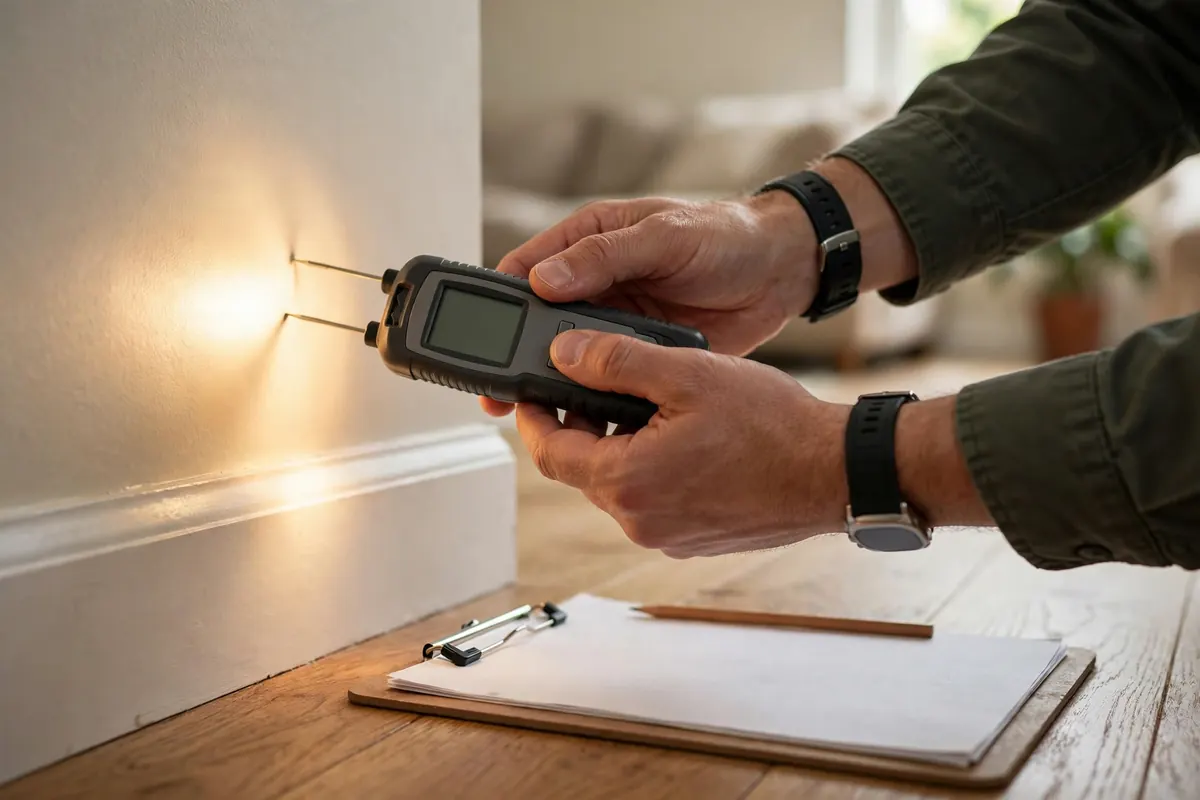
First: finding mold on a home inspection is common, especially in New Jersey. Our housing stock is old — colonials from the 1920s, capes from the 50s, split-levels from the 70s. Most have had a damp basement or a slow plumbing leak at some point. A mold finding is information, not a verdict.
What matters is what kind of mold problem it is, where it is, and what's causing it. Those three answers determine whether you're looking at a $800 cleanup or a five-figure project.
What 'Mold Found' Usually Means
Home inspectors are generalists. When they flag mold, it typically means one of these:
- Surface mold in a bathroom or on a window frame — cosmetic, usually a ventilation issue. Minor.
- Mold on basement walls or floor joists — very common in NJ. Could be old and inactive, or could signal ongoing seepage. Needs a closer look.
- Mold in the attic — often from a bathroom fan venting into the attic or poor ventilation. Fixable, but get the cause identified.
- Mold around plumbing — under sinks, behind toilets, at the water heater. Usually tied to a specific leak.
The inspection report tells you mold exists. It rarely tells you the extent, whether it's active, or what's feeding it. That's the next step.
Questions to Ask the Inspector
Before you spiral, get specifics:
- Where exactly is it, and roughly how large an area?
- Does it look active (damp, fuzzy) or old and dry?
- Is there a visible moisture source — a leak, staining, condensation?
- Did the moisture meter show elevated readings nearby?
- Would you recommend a mold specialist, or is this minor?
An inspector who's seen a thousand NJ basements can usually tell you in thirty seconds whether this is routine or concerning.
Get a Mold-Specific Assessment
This is the move most buyers skip, and it's the most important one. A mold-specific inspection answers the questions the general inspection can't: how far it extends (including behind walls), whether it's active, what's feeding it, and what remediation will actually cost.
That assessment becomes your negotiation tool. 'The inspector saw mold' is vague. 'A licensed remediator scoped it at $3,200 including the bathroom fan re-vent' is a number you can put in front of a seller.
Your Negotiation Options
In NJ, mold findings typically get handled one of these ways:
- Seller credit at closing. The most common. You get money off and handle the remediation yourself, with your own contractor, after you own it. This is usually the cleanest option.
- Seller completes remediation before closing. Works, but insist on a qualified company and get documentation — including what was done and post-remediation verification. A seller's bargain-basement job helps no one.
- Price reduction. Similar to a credit, just structured differently. Your agent will know which your lender prefers.
- Walk away. Your inspection contingency exists for exactly this. If the mold signals major water intrusion — foundation issues, chronic flooding — walking away is sometimes the smart money.
Deal-Breakers vs. Manageable
Usually manageable: surface mold from poor ventilation, a single old plumbing leak that's been fixed, minor basement wall mold with no active water.
Think hard: mold across large areas of framing, mold plus active water intrusion with no clear fix, mold in the HVAC system, or a seller who knew and didn't disclose. In NJ, sellers must disclose known material defects — a hidden mold problem they knew about is a legal issue, not just a maintenance one.
The NJ-Specific Angle
A few things about our market: finished basements are everywhere, and finished walls hide mold beautifully — budget for a closer look if the basement was finished without permits. Also, many NJ homes have crawl spaces the inspector couldn't fully access. And if the house is in a flood zone or near the Passaic or Rahway rivers, ask about water history directly.