Tight-access specialists
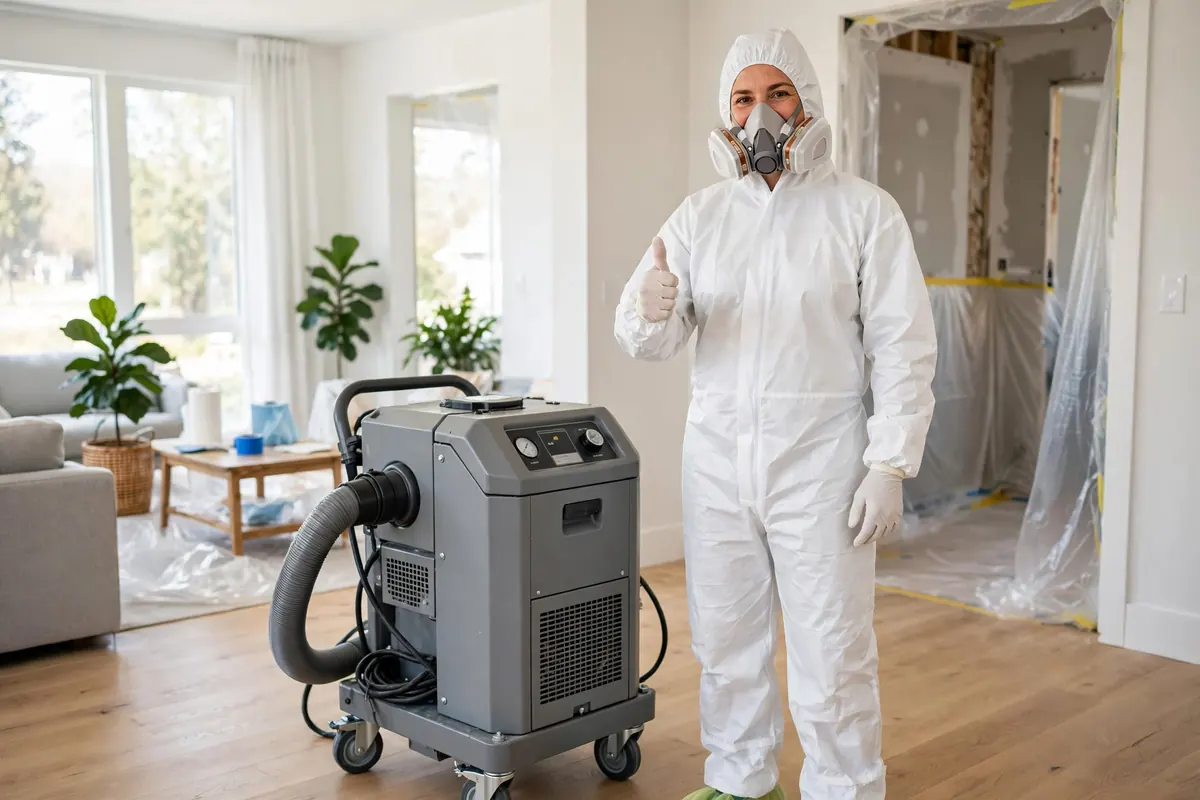
Crews equipped and trained for low, cramped crawl spaces.
Last updated: October 4, 2026
Mold under your house doesn't stay under your houseDark, damp, and hard to reach — crawl spaces are where mold thrives unnoticed, feeding on joists and subfloor while musty air drifts upstairs. We get into tight spaces, clean the framing properly, and fix the moisture that let it grow.
Crews equipped and trained for low, cramped crawl spaces.
Mechanical removal from framing — not a fog-and-pray.
We fix why it grew before we clean what grew.
You see under your house without crawling down there.
Crawl space work is part inspection, part remediation, and part moisture control — skip any one of those and the mold comes back.
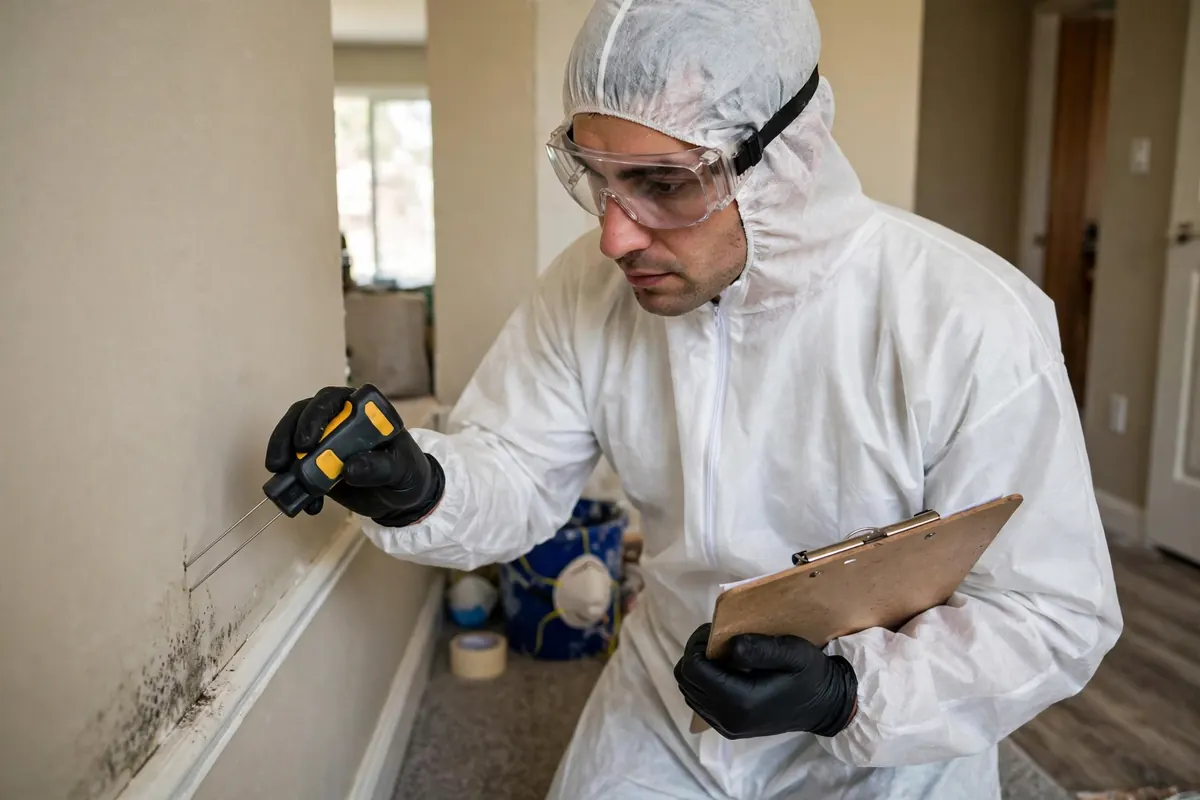
Moisture mapping, mold identification on framing, and drainage assessment — documented with photos.
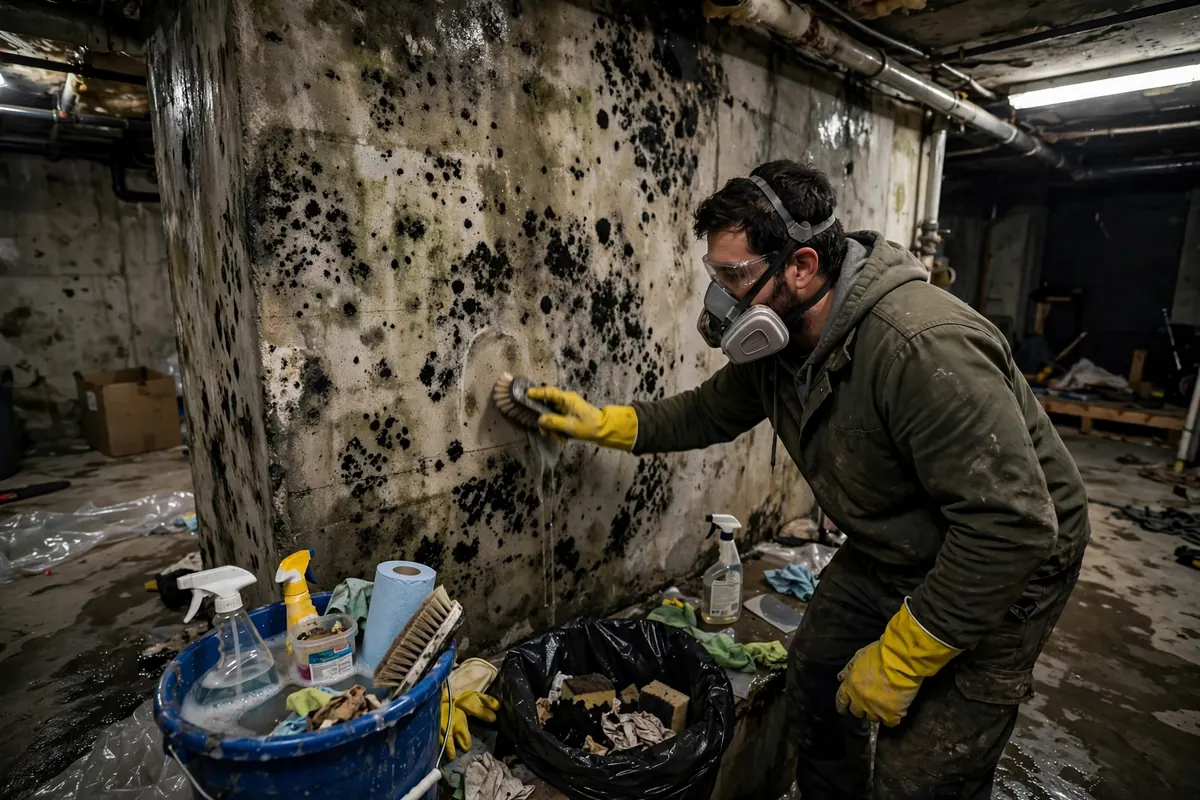
HEPA vacuuming, wire-brush cleaning, and removal of unsalvageable insulation and debris.
Treated joists and subfloor get an antimicrobial application to discourage regrowth.
Drainage fixes, ventilation correction, or dehumidification — matched to what caused the problem.
We'll go down there, photograph everything, and show you exactly what's going on.
Nobody decorates a crawl space, so mold there gets years of undisturbed growth — spreading across floor joists, rim boards, and subfloor while musty air seeps upstairs through every gap in the flooring. By the time you smell it in the living room, the colony below is well established.
Proper crawl space remediation means working in miserable conditions: low clearance, poor light, damp soil. We suit up, contain the space so spores don't drift into the house, mechanically clean the framing, treat it, and then address the drainage or ventilation failure that started it all.
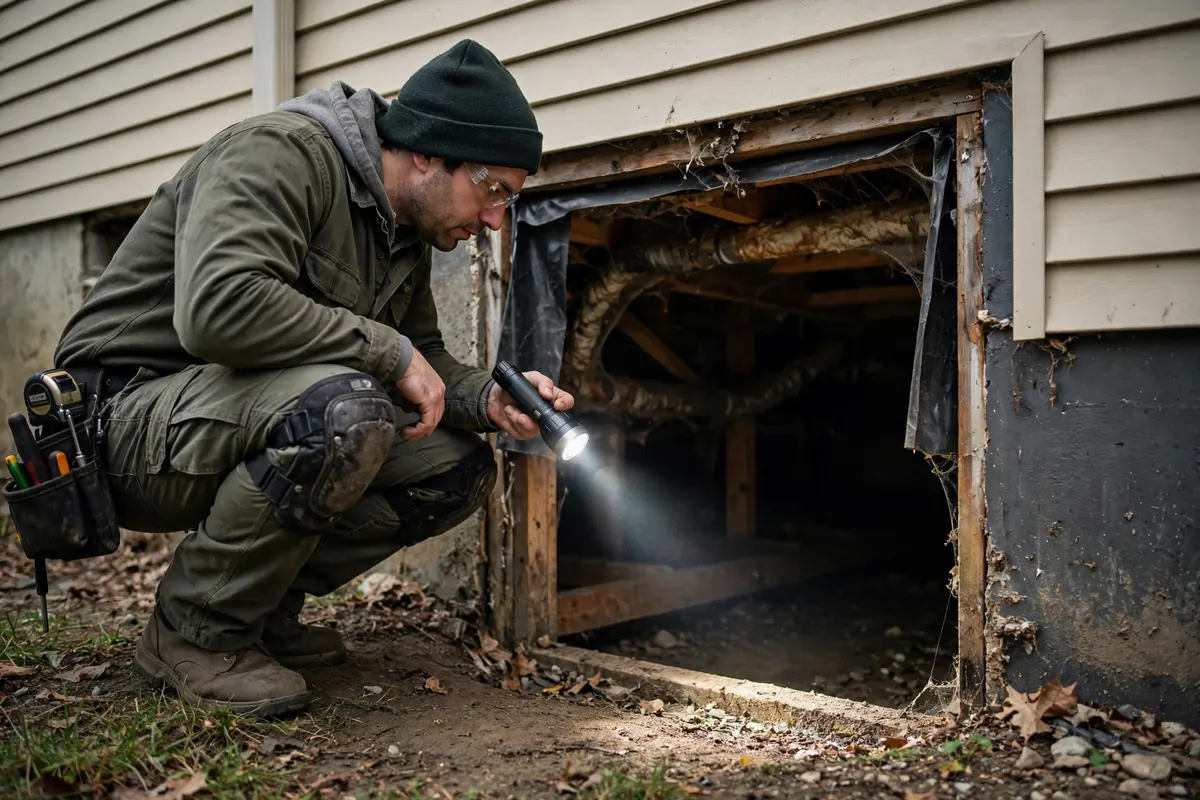
We get underneath with lights and moisture meters, mapping mold growth and water entry points.
The crawl space entry gets contained so spores and dust don't migrate into the living space.
Contaminated insulation and debris come out; framing gets HEPA vacuuming and mechanical cleaning.
Antimicrobial application on cleaned wood, then drying equipment brings humidity down.
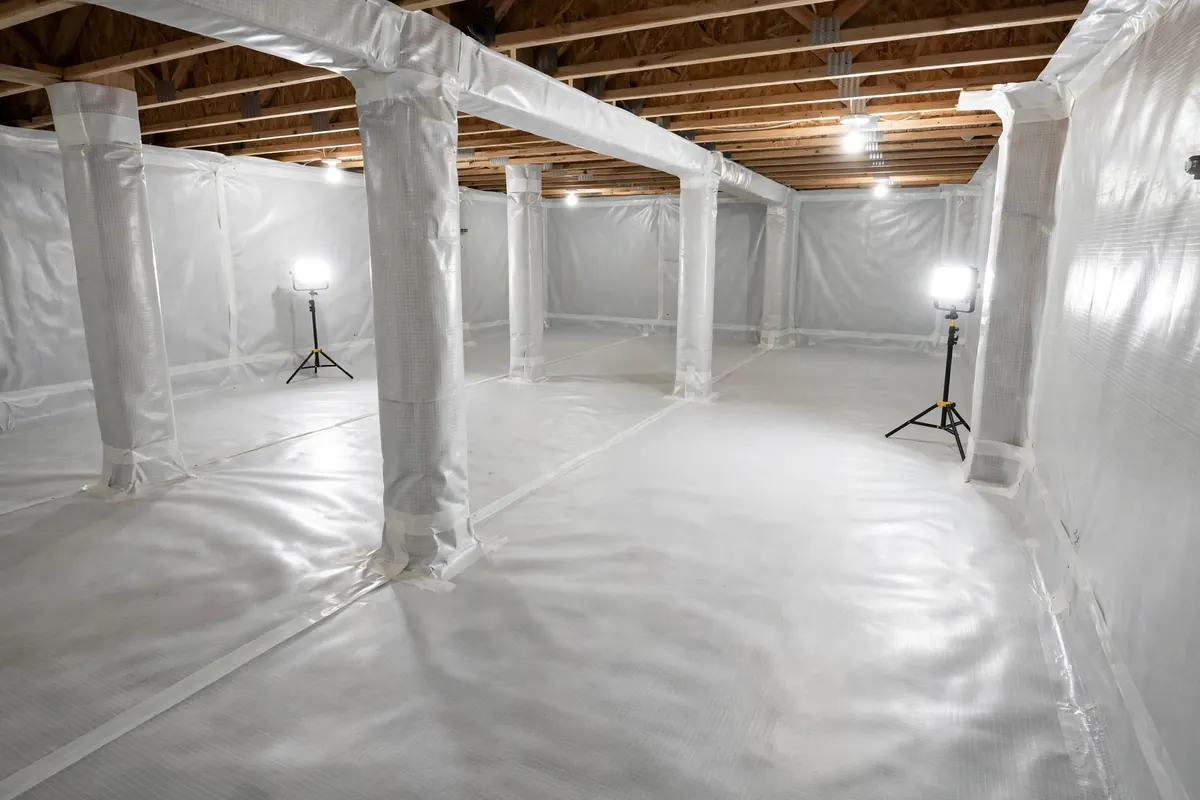
Drainage, grading, or ventilation corrections — plus encapsulation options for lasting protection.
Full protection for working inches from concentrated mold in confined air.
Compact units that capture spores and debris without exhausting them back out.
Mechanical agitation that actually removes mold from wood grain — no shortcuts.
Pin meters that read deep into joists, so we know the wood is truly dry.
We adhere to standards for mold remediation, ensuring safe and effective practices.
Sealed barriers at the access point keep the work zone isolated from your home.
Applied to cleaned framing to suppress regrowth while moisture fixes take hold.
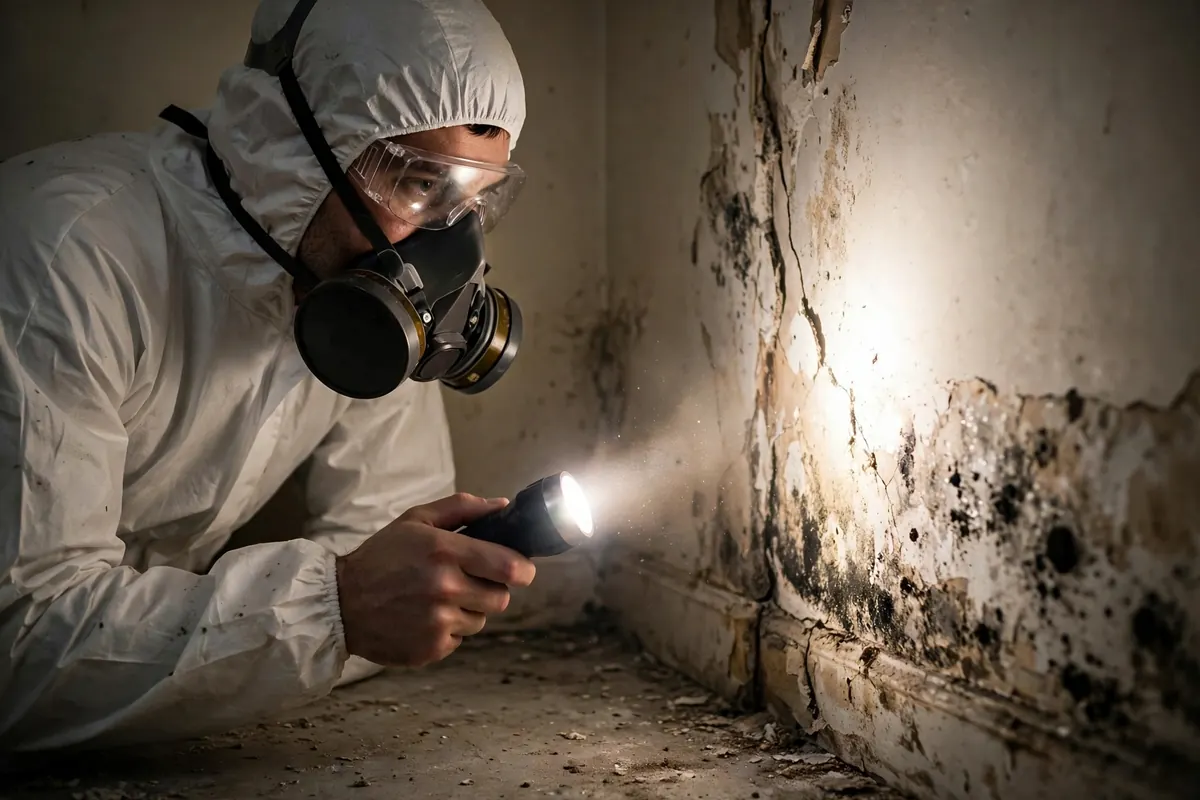
Nine times out of ten, the source is underneath the house. We find it and clean it.
Chronic moisture softens subfloor and joists. Remediation now prevents structural work later.
Water that sat under the house for days is almost certainly growing something. Don't wait for the smell.
Newark's older homes were built with shallow, vented crawl spaces — low clearance, bare dirt, and vents that invite humid summer air straight in. Many sit close to the water table near the Passaic, so after heavy rain the ground below stays wet for weeks. It's the perfect mold incubator, and most homeowners never look down there.
Many Newark crawl spaces are barely two feet high — miserable to work in, easy to neglect.
No vapor barrier at all in most pre-war homes; ground moisture rises unchecked.
Old foundation vents import July humidity and trap it against cool soil.
Slow supply-line drips keep one corner perpetually damp — a mold hotspot.
Settled soil around the foundation funnels rainwater straight under the house.
Surface mold across floor joists and rim board after years of trapped humidity.
Joists mechanically cleaned and treated; wood moisture readings back in the safe range.
Maintenance: Keep the space dry with drainage or dehumidification — clean wood stays clean only in dry air.
Persistent musty odor in the living room, strongest near floor vents and baseboards.
Source colony removed below; odor gone within days as the house airs out.
Maintenance: If the smell ever returns, check the crawl space first — it's the usual suspect.
Falling, mold-stained batt insulation holding moisture against the subfloor.
Contaminated insulation removed and disposed of; subfloor cleaned and drying.
Maintenance: Consider encapsulation afterward so new insulation stays dry and effective.
Out of sight shouldn't mean out of mind — here's what grows while nobody's looking.
Mold and wood-decay fungi soften joists and sill plates over time. Early remediation is vastly cheaper than structural repair.
The stack effect delivers crawl space air straight upstairs. Cleaning the source improves the air you actually breathe.
Air fresheners mask it; the colony keeps growing. Removal at the source is the only fix that lasts.
Most companies hate crawl spaces — that's why so many get a spray-and-pray. We do the uncomfortable work properly: mechanical cleaning, real containment, and an honest moisture diagnosis.
Crawl spaces are prone to moisture accumulation, making them ideal for mold growth. Poor ventilation and high humidity levels in Newark contribute to these hidden outbreaks.
Ground moisture can seep into the crawl space, creating a damp environment that promotes mold growth. Effective crawl space mold remediation Newark helps mitigate this risk.
Leaving untreated mold can lead to structural damage, health issues, and poor indoor air quality. It is crucial to address mold promptly to avoid these risks.
Yes, mold spores can easily travel through air ducts and cracks, affecting the air quality in your living areas. Proper crawl space mold removal is essential to prevent this.
Not seeing your question? Our local team can help you understand urgency, scheduling and what to expect.
Ask the local team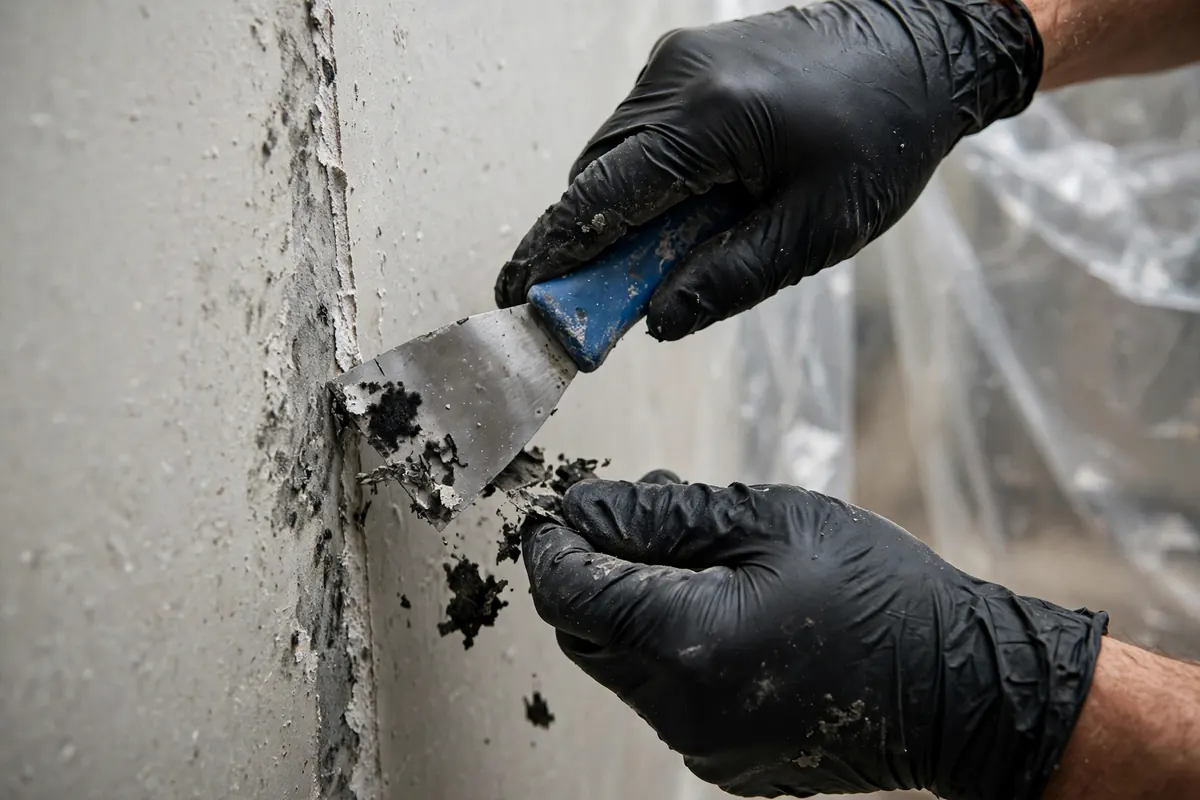
Our black mold removal service is essential for treating severe mold infestations, ensuring your crawl space and home remain safe.
View service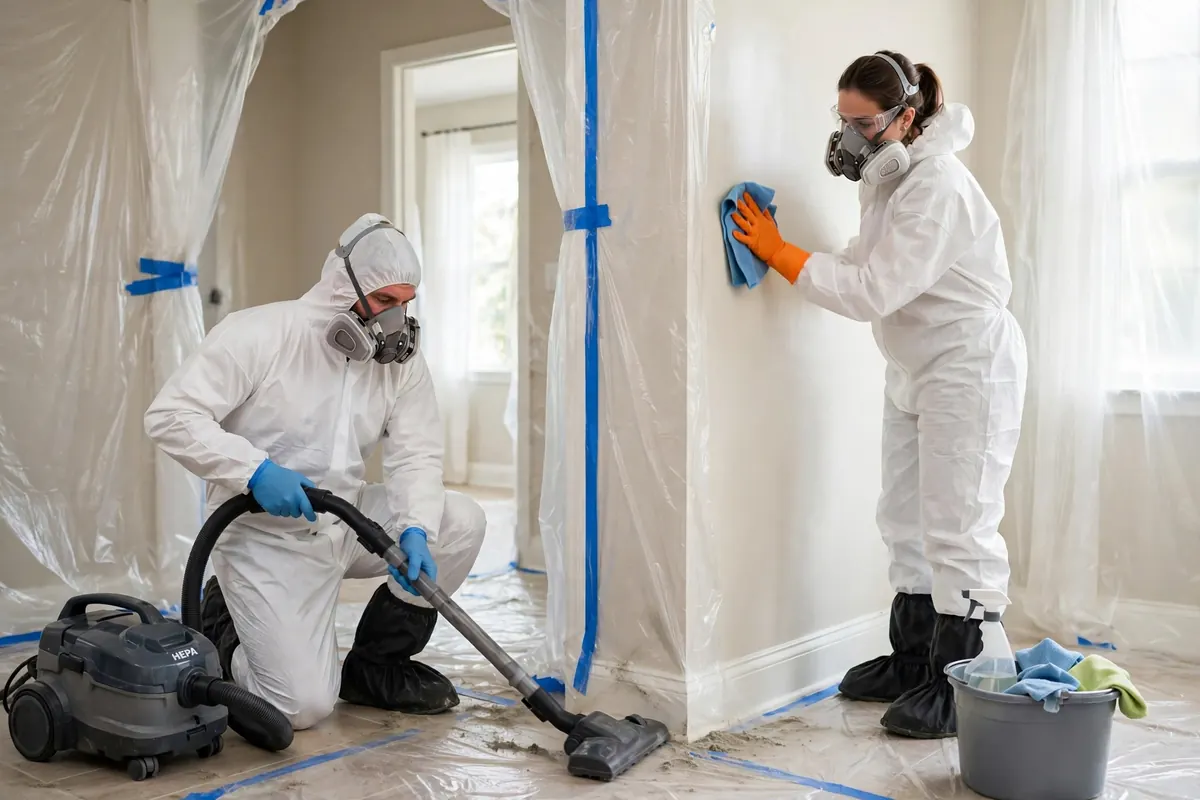
Our mold inspection & testing services identify hidden mold in your crawl space, guiding effective remediation strategies.
View service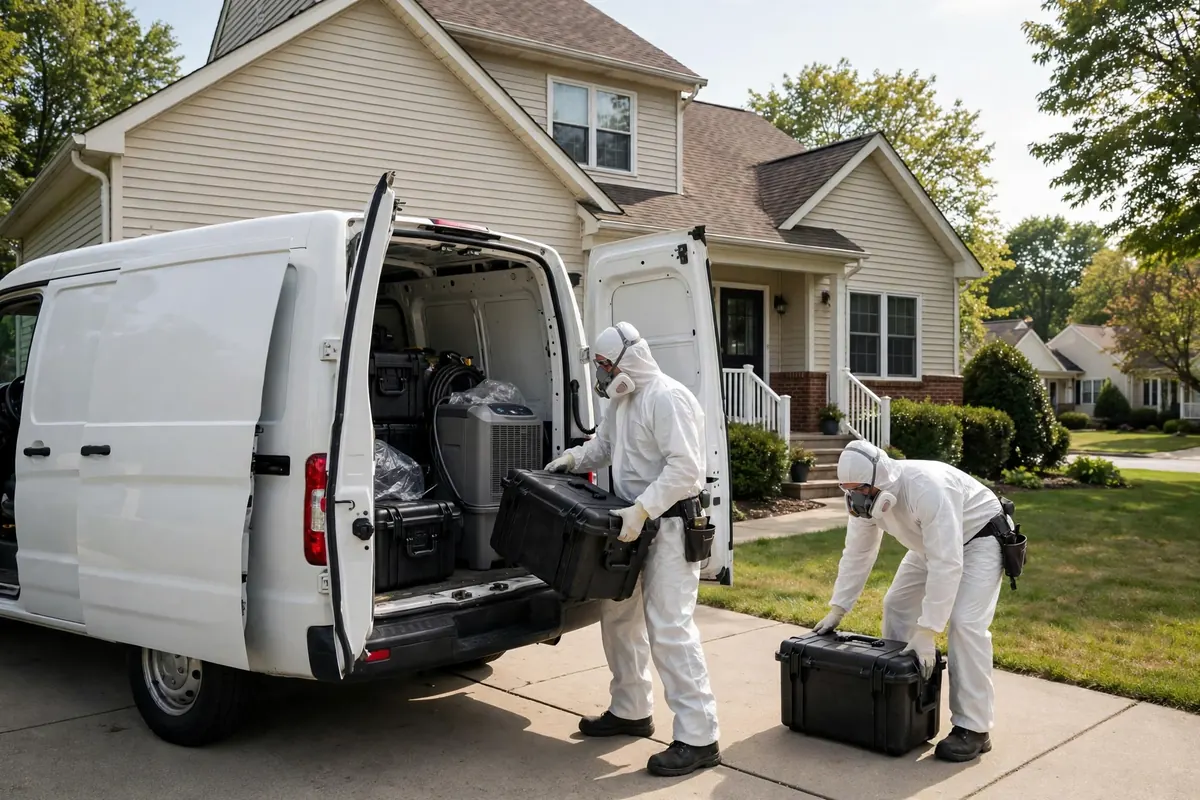
Air quality testing helps assess the impact of crawl space mold on your indoor environment, ensuring a healthy living space.
View service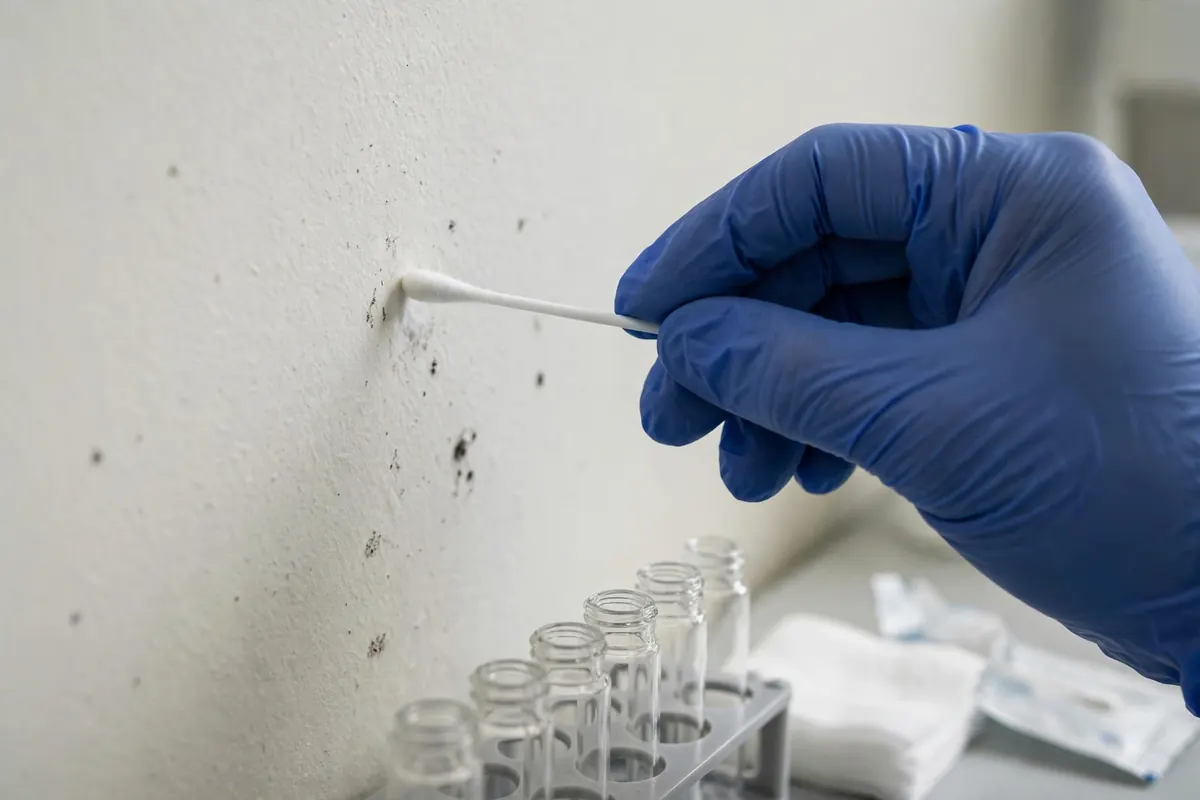
Following remediation, mold clearance testing confirms that your crawl space is free from harmful mold spores.
View serviceWe bring this service to homes and businesses across Newark and the surrounding communities.
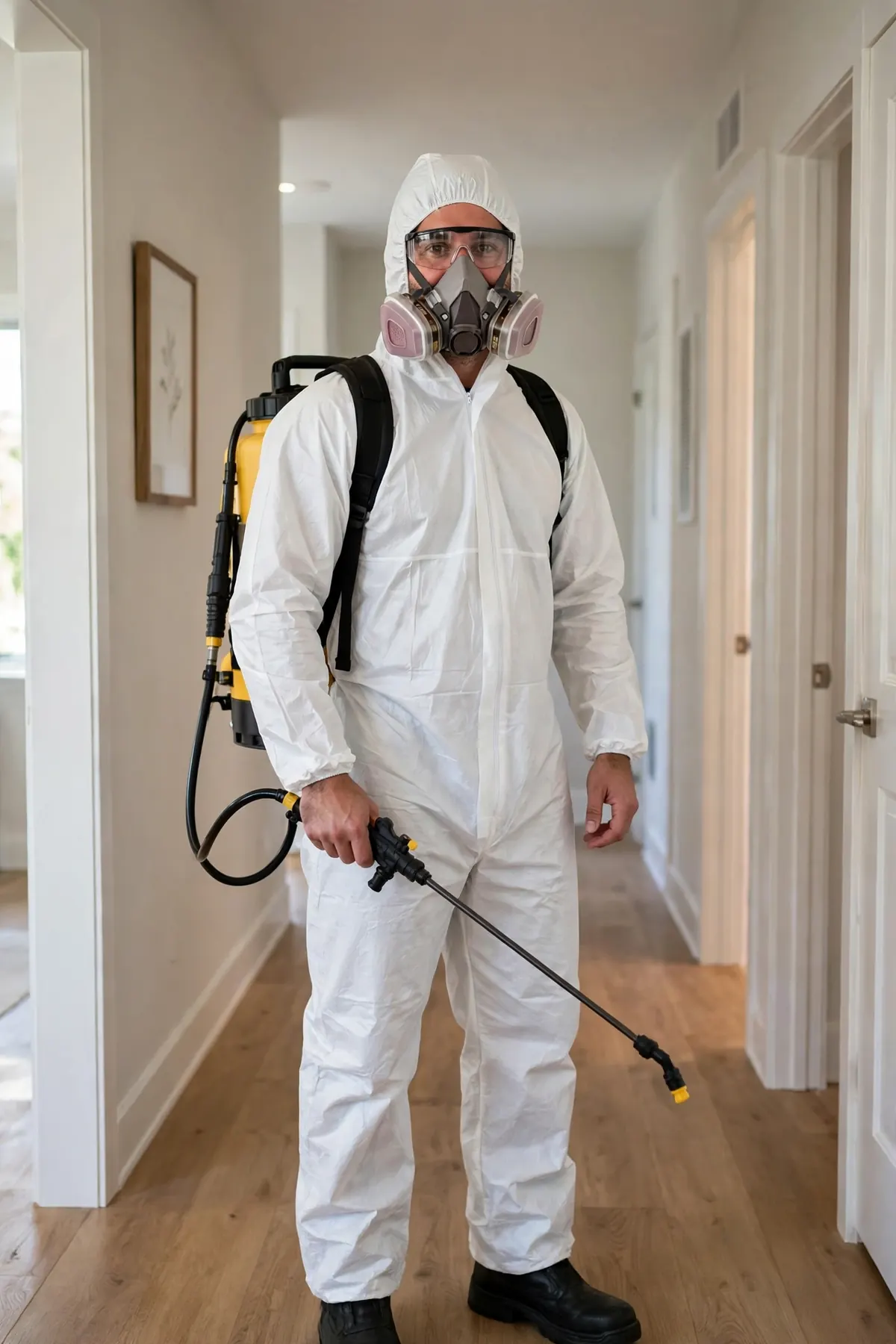
Smell something musty but can't find the source? It's probably below you. Reach out and we'll take a look under the house.
Small spots turn into big jobs fast in New Jersey humidity. Call now and we'll schedule your inspection.
Call (973) 400-5618