Inspection first, testing when warranted
We don't sell lab fees by default. Testing follows evidence.
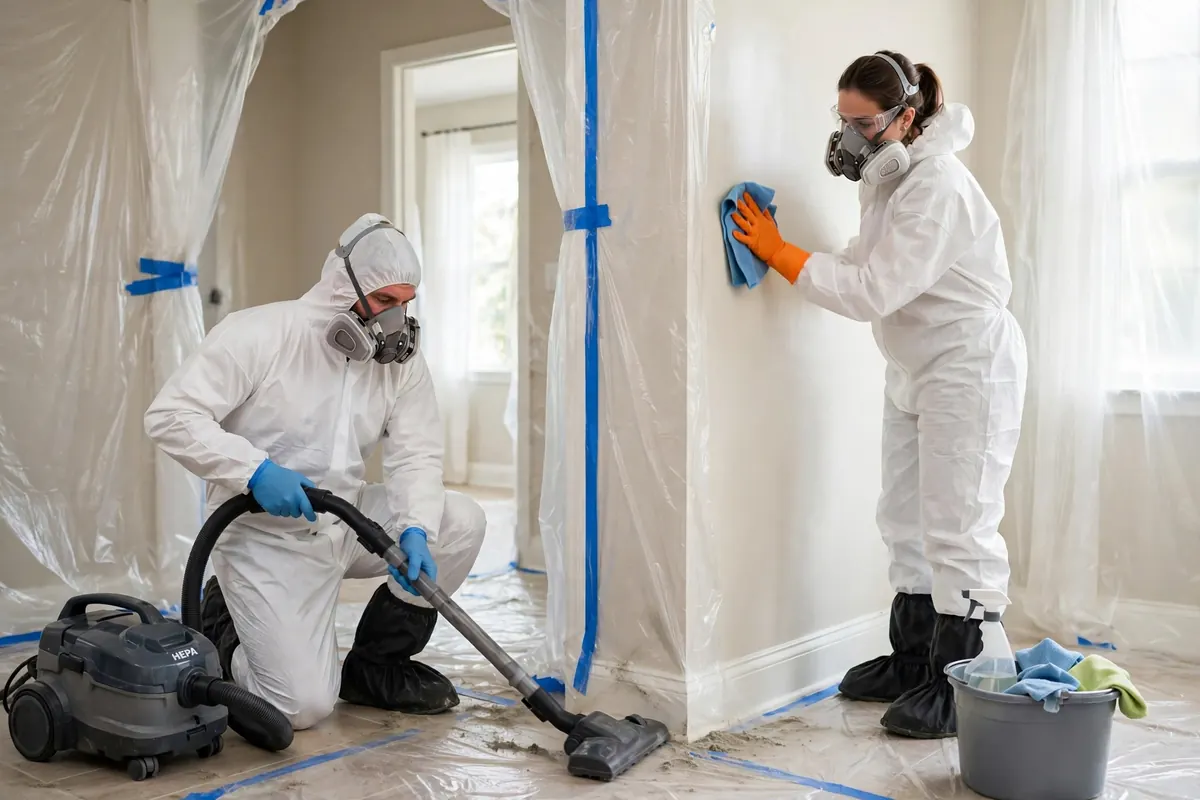
Last updated: October 4, 2026
Inspection tells you where. Testing tells you what. You need to know which one you need.Not every mold concern needs lab testing — and not every inspection goes deep enough without it. We start with a thorough visual and moisture inspection of your Newark property, then recommend air, surface, or bulk sampling only when the situation actually warrants it.
We don't sell lab fees by default. Testing follows evidence.
You see what we see — images and meter readings in every report.
Our findings don't presuppose who does the cleanup.
Each report ends with prioritized actions, not alarm.
Five layers, each with a job to do:
Every accessible area, top to bottom — with attention to the places mold hides: behind appliances, under sinks, inside closets on exterior walls.
Meters and thermal imaging trace where water is and where it has been. Mold follows moisture; we follow both.
Spore-trap samples compared to an outdoor baseline, used when hidden mold is suspected or health concerns are documented — not as a default upsell.
Tape lifts, swabs, or small material samples identify what's growing where it matters, analyzed by an independent lab and folded into your report.
Describe what you're seeing or smelling and we'll tell you whether you need an inspection, testing, or just a conversation.
An inspection finds mold and its moisture source. Testing identifies the species and quantifies what's airborne. Most homeowners need the first; the second earns its keep in specific situations.
Testing is warranted when there's a health concern a doctor is tracking, when hidden mold is suspected but nothing is visible, in real estate transactions where documentation matters, or when a previous remediation needs verification. Air sampling compares indoor spore levels against an outdoor baseline taken the same day. Surface sampling identifies growth on a specific material. Bulk sampling — a small piece of the material itself — settles arguments about what's inside a wall cavity. A good inspector tells you which of these your situation actually needs, and which would just be an invoice.
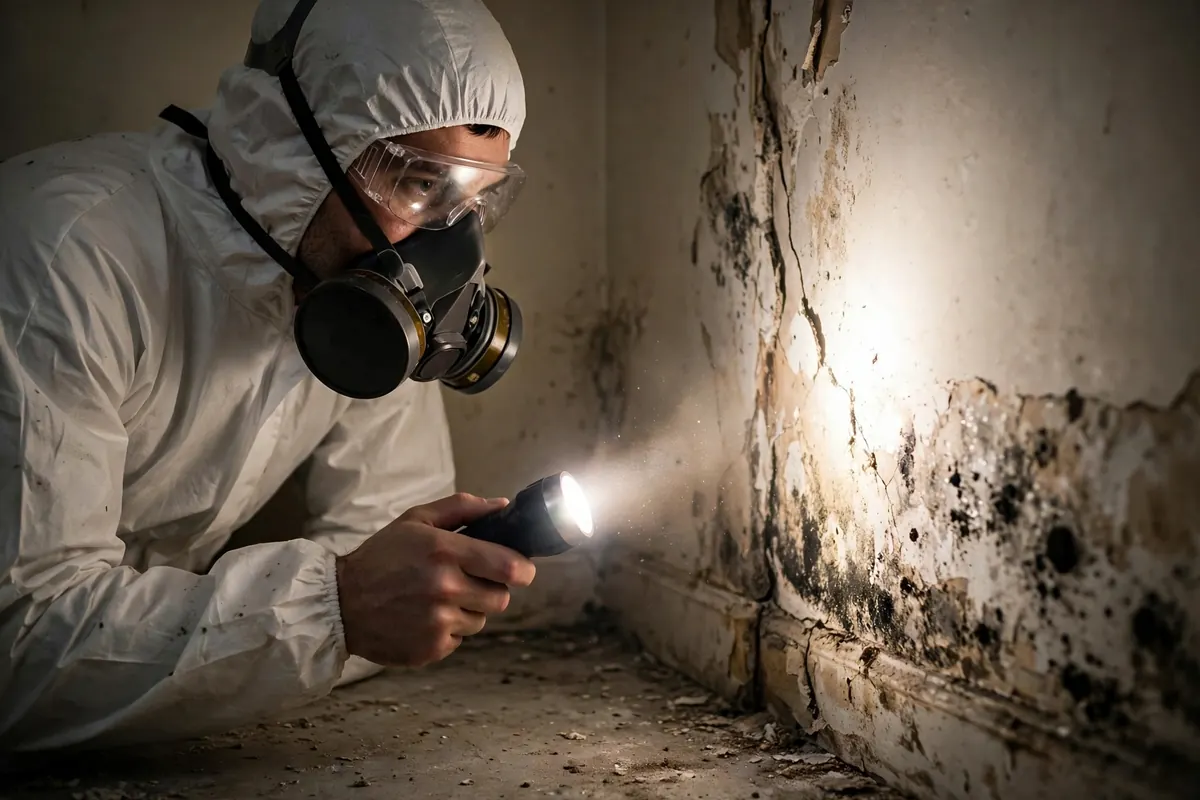
We start with your story — when you noticed it, any water events, health symptoms, past work — then walk the property with you.
Before hunting mold, we hunt water: meters on walls, thermal scan for hidden damp, plumbing and envelope check.
Attic, basement, bathrooms, kitchen, HVAC — plus the unglamorous spots: closets on exterior walls, under sinks, behind the washer.
If the situation warrants it, we collect air, surface, or bulk samples — and explain why each one is being taken.
Photo-documented findings, moisture sources identified, lab results when sampled, and next steps in priority order.
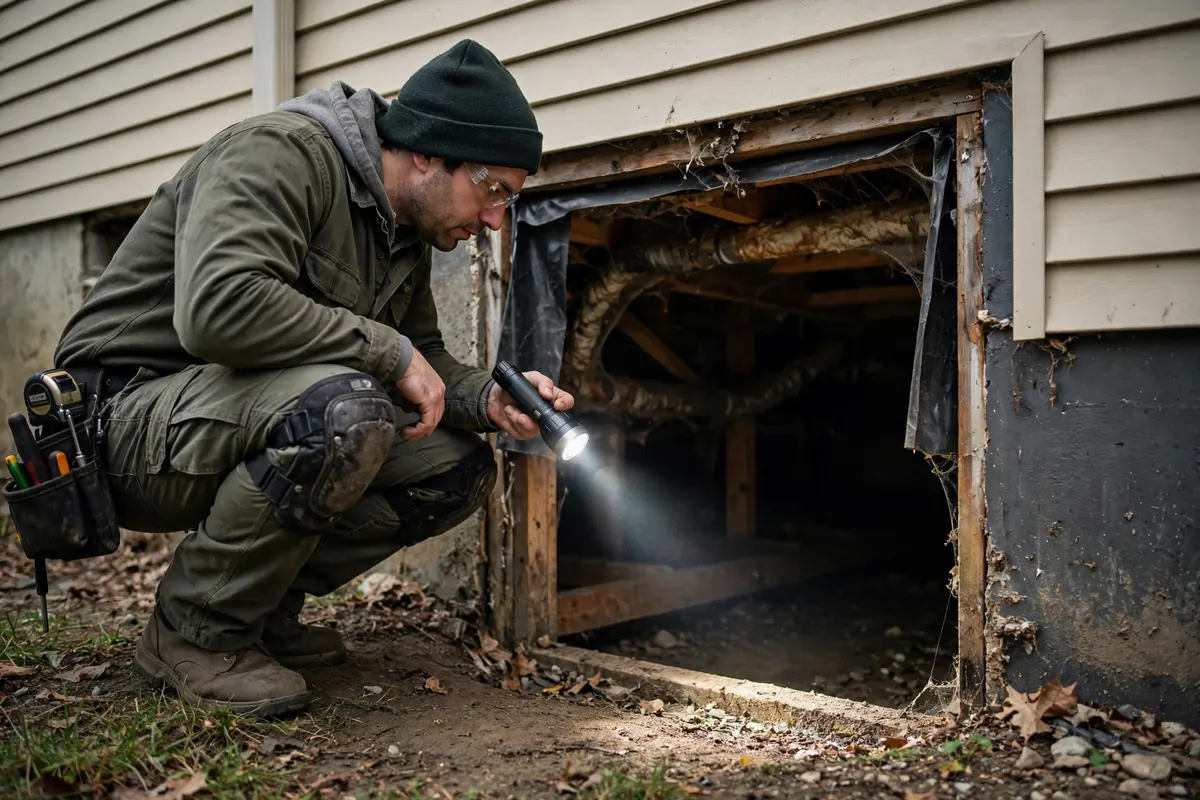

Quantify moisture in drywall, wood, and masonry — the difference between “looks damp” and “reads 28%.”
Reveals temperature patterns that suggest hidden moisture behind walls and ceilings — a pointer, not a verdict.
For when air sampling is warranted: measured air volumes on spore-trap cassettes, paired with an outdoor baseline.
Surface sampling that identifies what's growing on a specific spot — quick, cheap, and definitive for visible growth.
A camera on a flexible probe that looks inside wall cavities through a tiny opening — verification without demolition.
Samples go to an accredited lab. The inspector collects; the lab identifies. That separation keeps results honest.
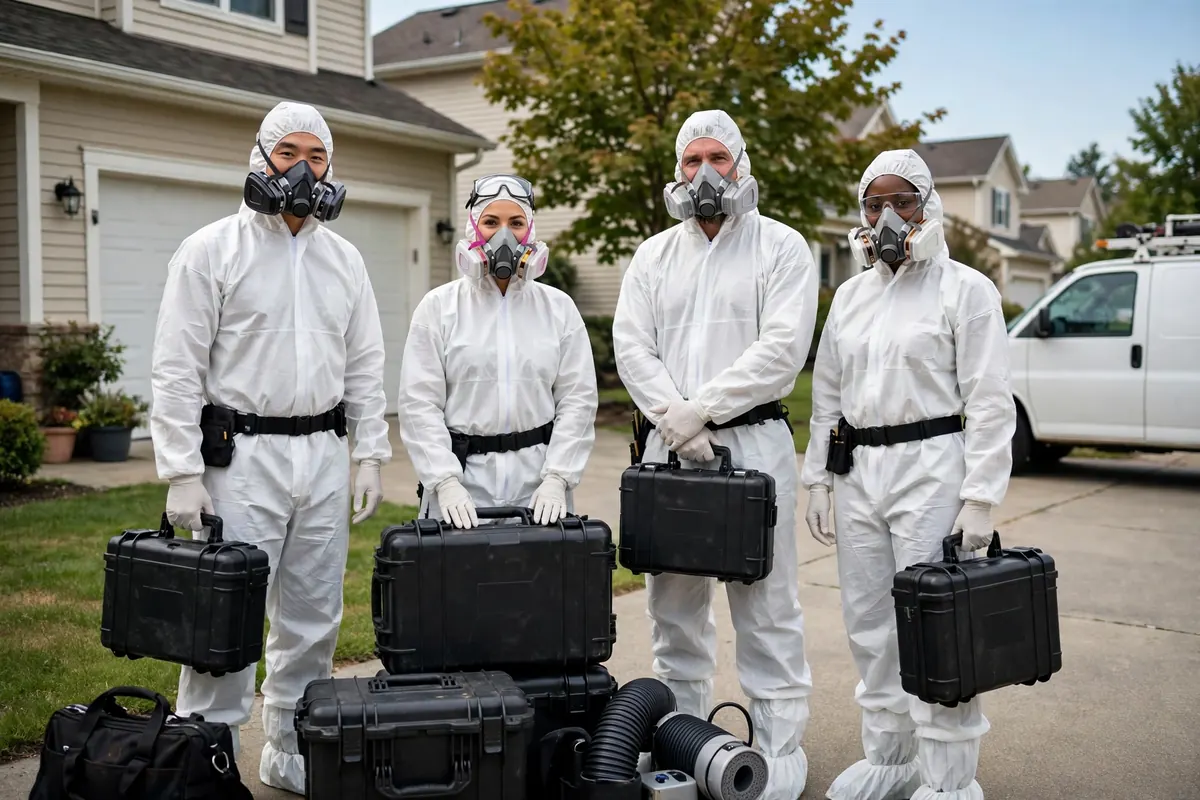
Pre-purchase inspection with moisture mapping finds what a general home inspection walks past. Add testing if the seller discloses prior mold.
Musty odor with clean sightlines is the classic hidden-mold case — inspection plus targeted air sampling.
Flood, burst pipe, or roof leak: inspect once dry to confirm nothing is colonizing inside cavities.
Same city, same repeat offenders. Here is what our Newark inspections find most:
Older multi-family buildings with stacked bathrooms — we trace a lot of “mystery mold” to plumbing chases shared between units.
Big old houses with finished basements and attic conversions; moisture mapping earns its keep in houses this complex.
Aging roofs and deferred exterior maintenance — inspections here often start at the top of the house, not the bottom.
Newark’s humid summers mean background moisture is always a factor; we separate chronic humidity from active intrusion on every job.
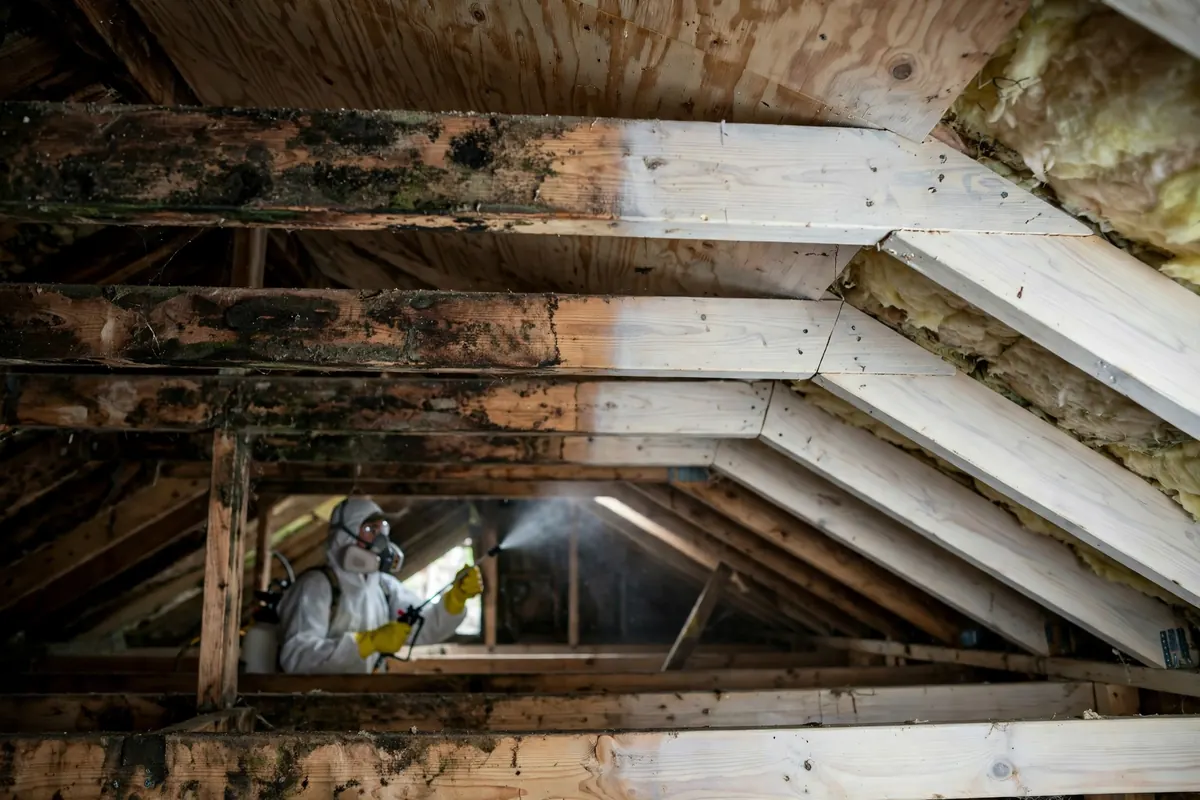
A homeowner chased a musty odor for a year — two cleanings, no answers.
Moisture mapping traced it to a slow supply-line leak inside a kitchen wall. One plumber visit and targeted remediation ended a year of guessing.
Maintenance: Annual under-sink and supply-line checks catch the next one early.
A buyer ordered air sampling alone, got ambiguous numbers, and no plan.
Our inspection found the moisture source first; targeted surface samples then confirmed the growth type. The report gave the buyer a negotiation document, not just data.
Maintenance: Keep inspection reports with the property file.
A contractor quoted a five-figure remediation off a ten-minute walkthrough.
Our independent inspection scoped the actual affected area — a third of what was quoted — with photos and readings to back it.
Maintenance: Get findings before committing to any remediation scope.
Mold work without diagnosis is expensive in both directions.
Treating visible spots while the moisture source hides nearby guarantees a repeat job at full price.
Lab fees spent without a hypothesis produce numbers nobody can act on.
A supply-line leak becomes a wall-cavity job when nobody looks inside the wall for two years.
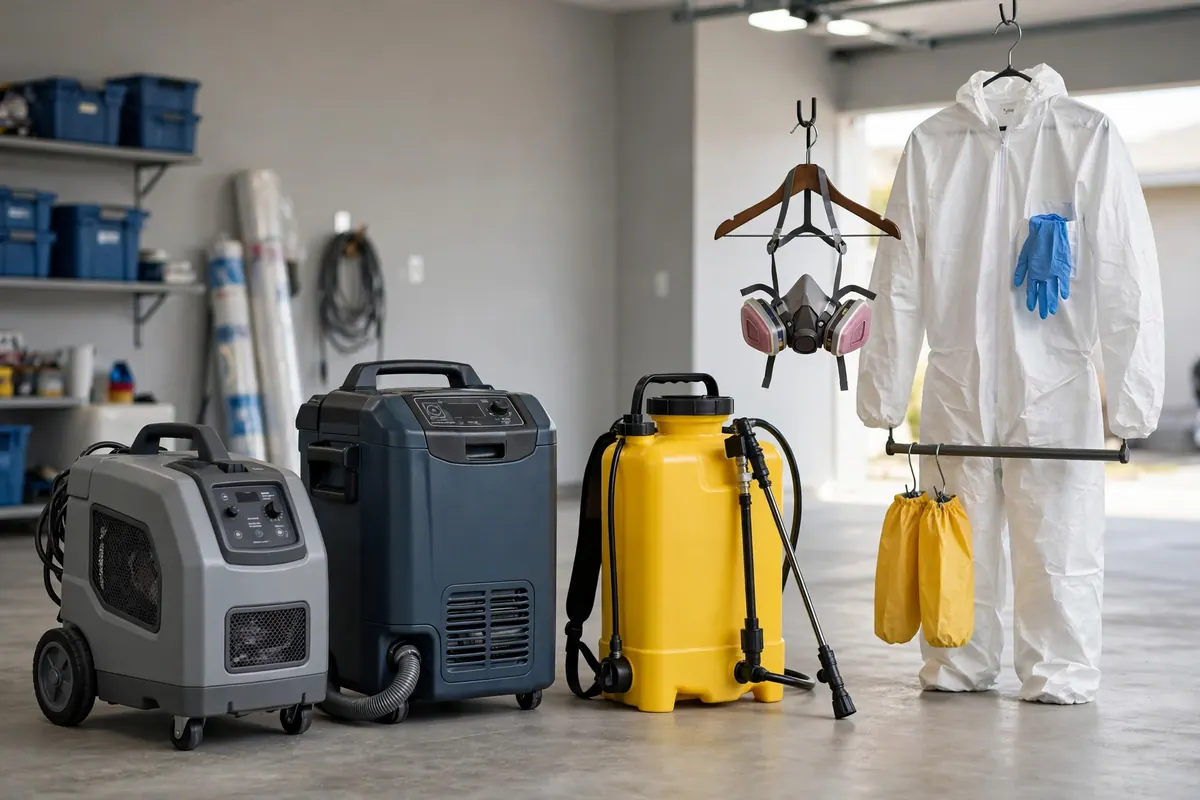
The best inspectors are skeptics with meters.
A visual mold inspection identifies visible signs of mold, while a surface swab test samples specific surfaces to identify mold types. Both are crucial for a comprehensive assessment.
Professional mold inspectors use tools like moisture meters, thermal imaging cameras, and HEPA vacuums to detect hidden moisture and mold growth effectively.
Laboratory results for mold samples usually take 2-3 business days, providing insights into the types and levels of mold present in your home.
Home buyers should request a mold assessment to identify potential mold issues that could lead to costly repairs or health risks after purchase, ensuring a safe investment.
Not seeing your question? Our local team can help you understand urgency, scheduling and what to expect.
Ask the local team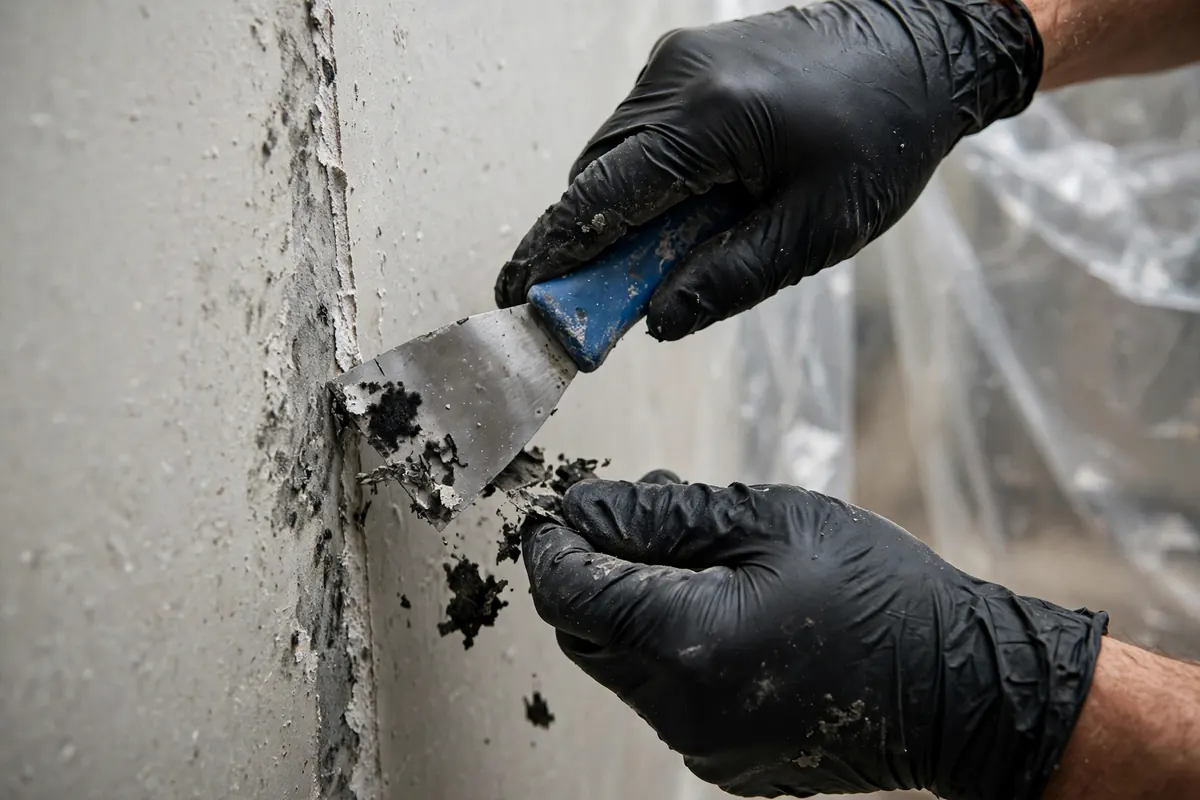
Black mold can pose serious health risks, making its removal essential. Our Mold Inspection & Testing Newark NJ services help identify and address black mold issues effectively.
View service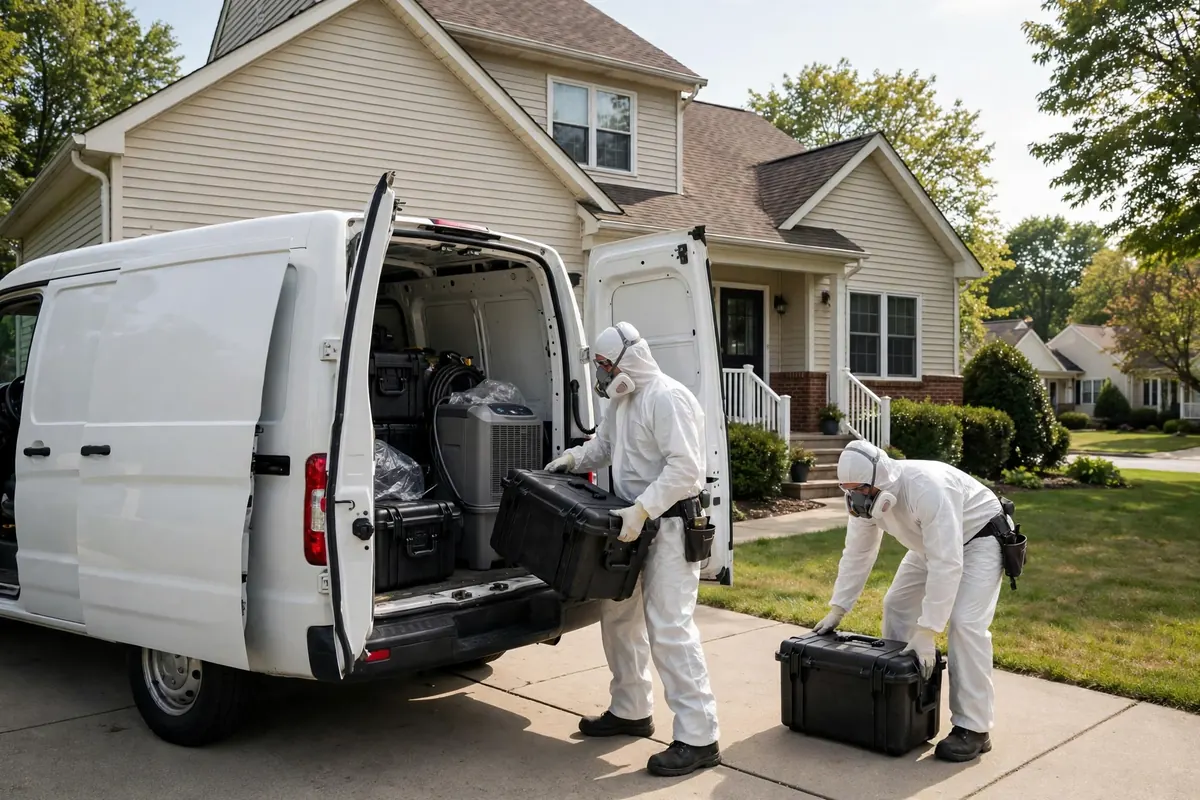
Air quality testing complements mold inspection by measuring pollutants and allergens in your home. This ensures a safe environment, particularly for those with respiratory issues.
View service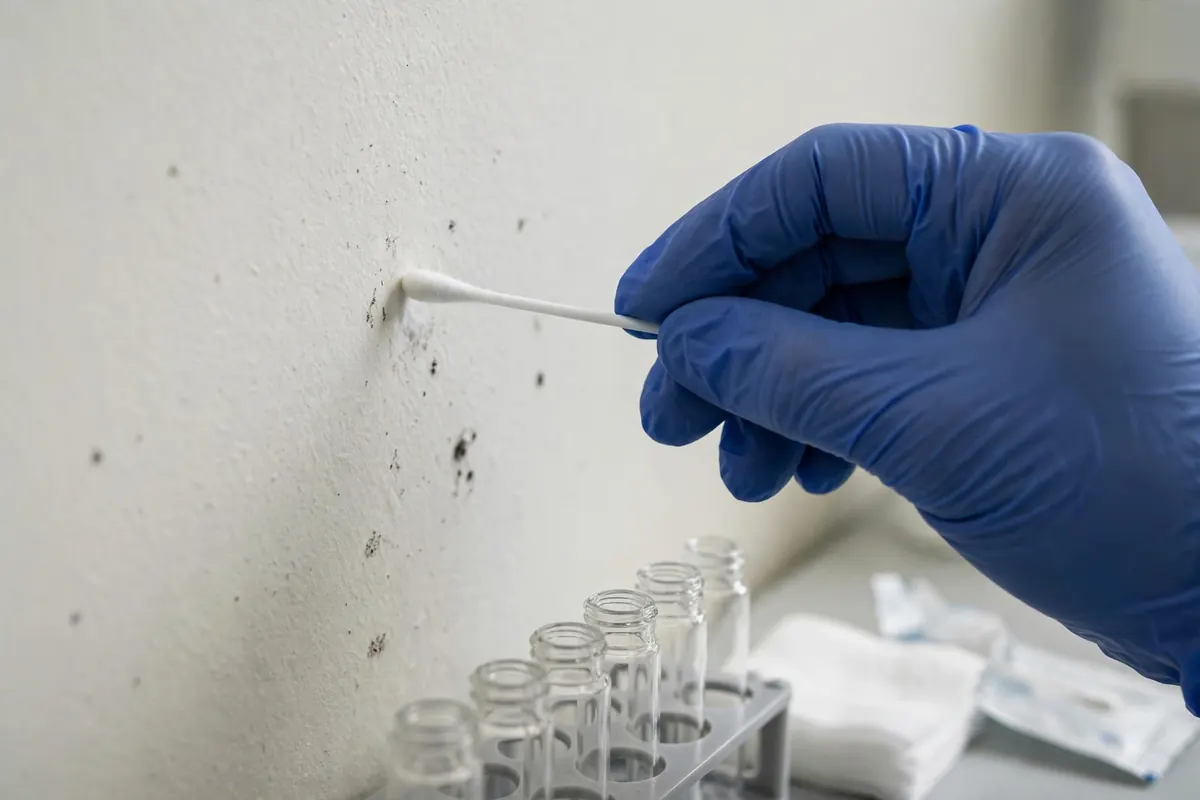
After remediation, mold clearance testing verifies that all mold has been effectively removed. This service ensures your home is safe and free from mold contamination.
View service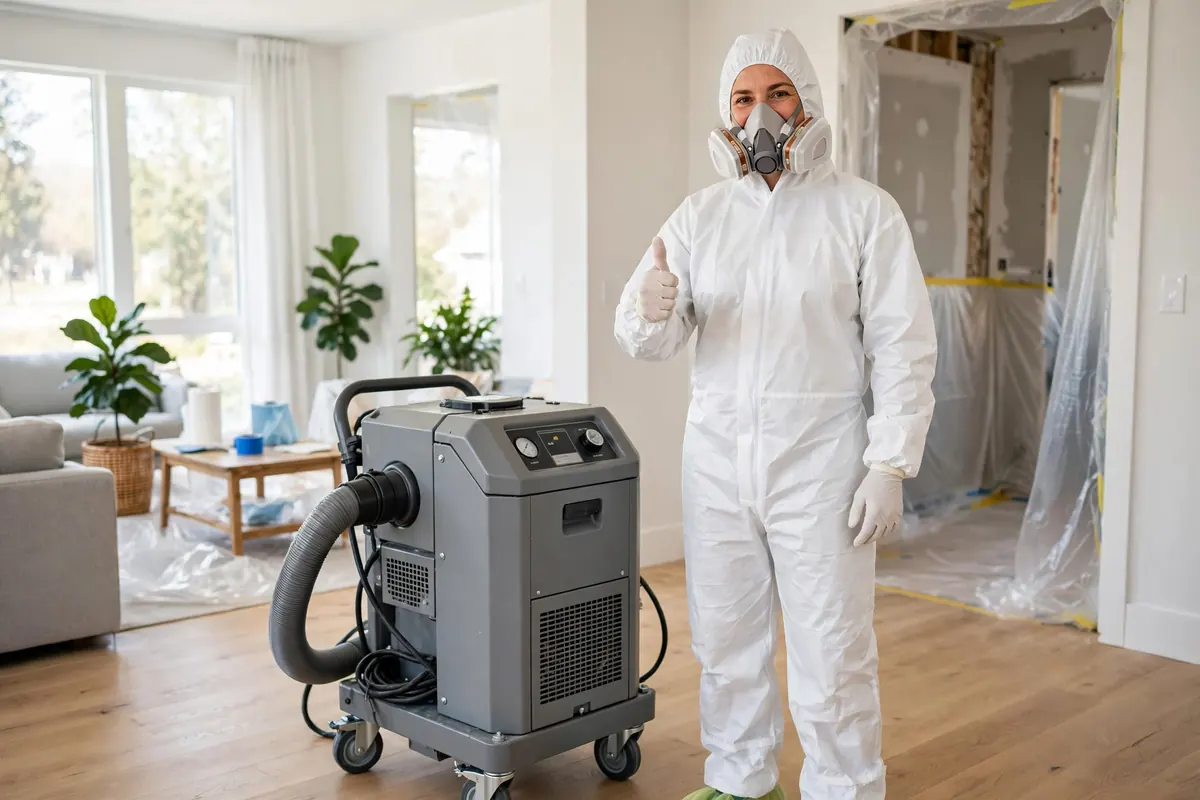
Basements are prone to mold due to moisture. Our services include thorough inspections and effective removal strategies to keep your basement dry and mold-free.
View service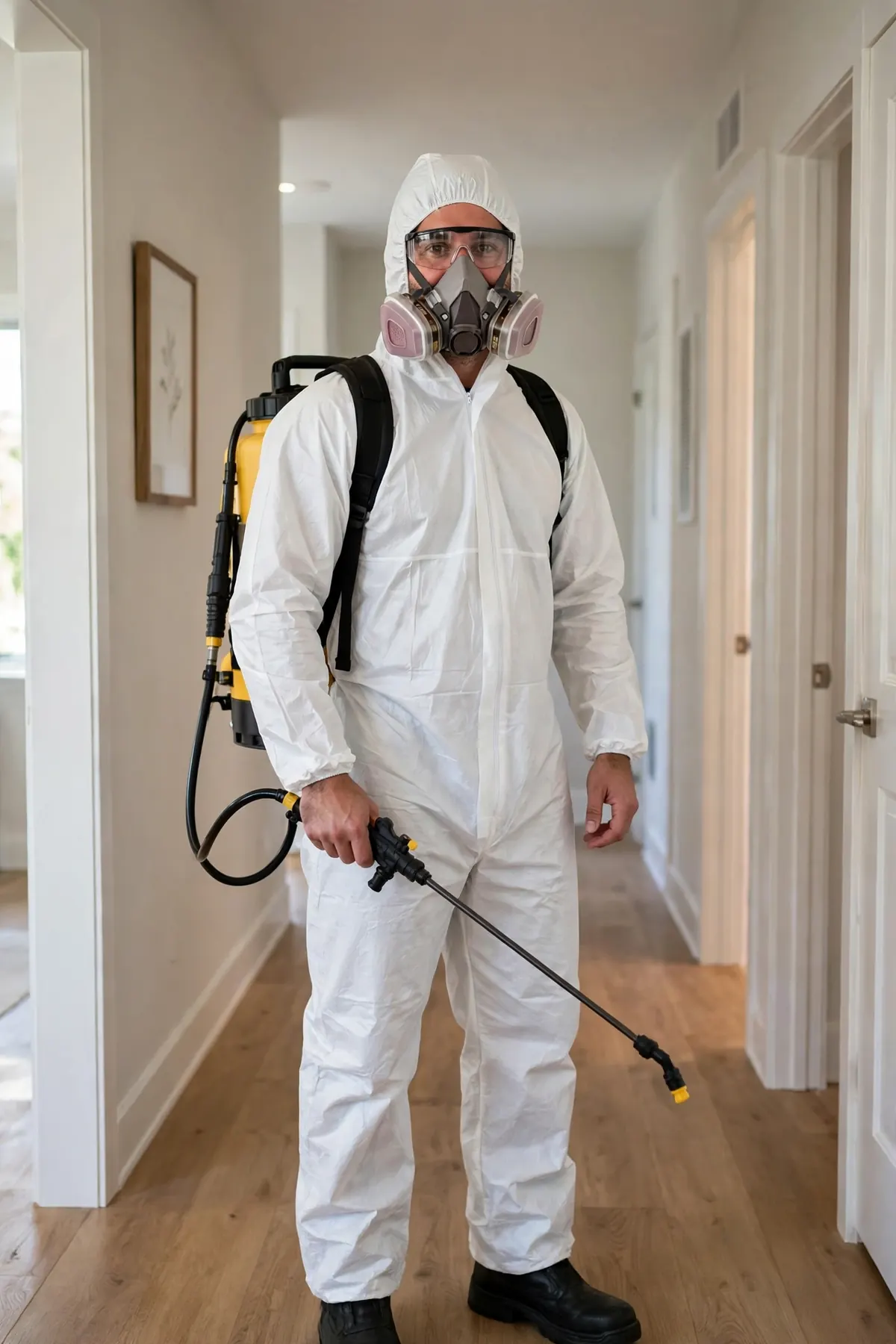
Seeing something, smelling something, or buying something? Tell us what's going on and we'll recommend the right level of inspection — Monday to Friday.
Small spots turn into big jobs fast in New Jersey humidity. Call now and we'll schedule your inspection.
Call (973) 400-5618