Identification before action
We confirm whether growth is Stachybotrys before planning the work, so you never pay for a remediation you didn't need.
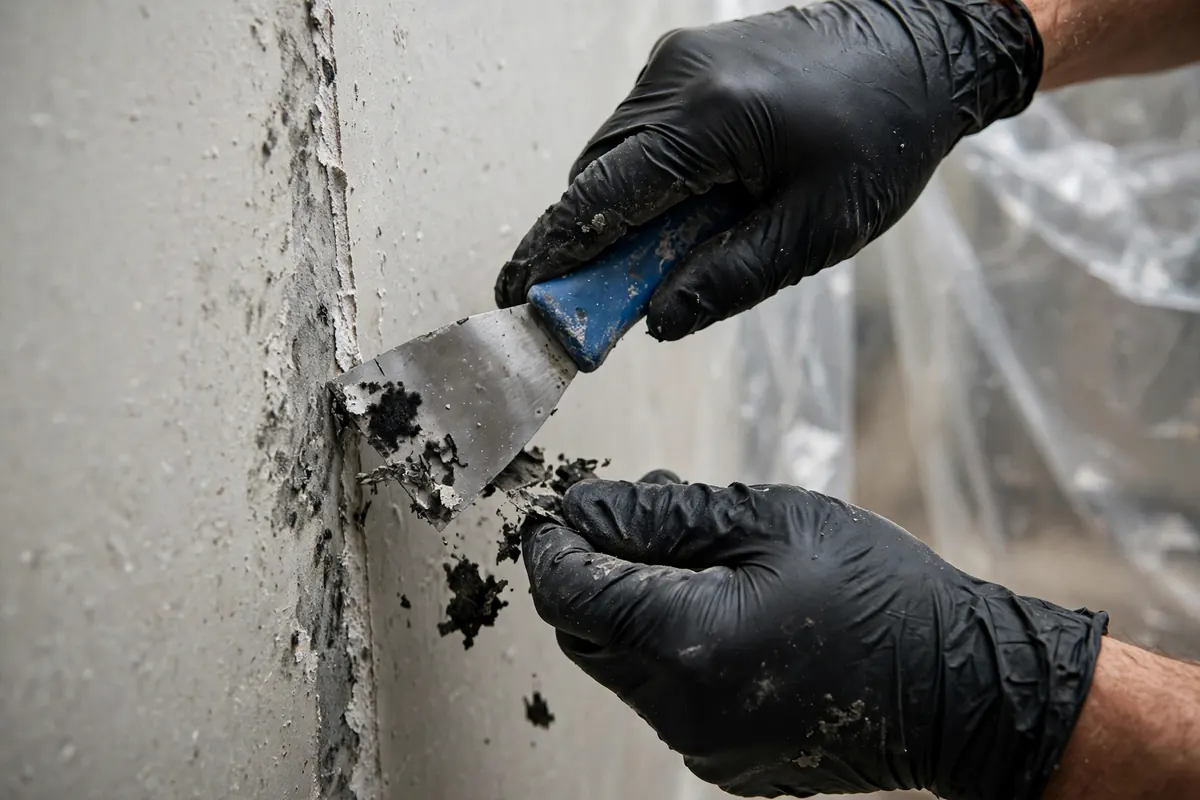
Last updated: October 4, 2026
Expert black mold remediation in Newark for safety and peace of mind.Not every dark patch on drywall is the growth people worry about — but when it keeps spreading after a leak or a flood, identification matters more than guessing. We inspect suspected Stachybotrys chartarum (the species behind the “black mold” name), confirm what it is with lab sampling, and clear it out with containment built for heavy growth — so the problem is actually gone, not just wiped down.
We confirm whether growth is Stachybotrys before planning the work, so you never pay for a remediation you didn't need.
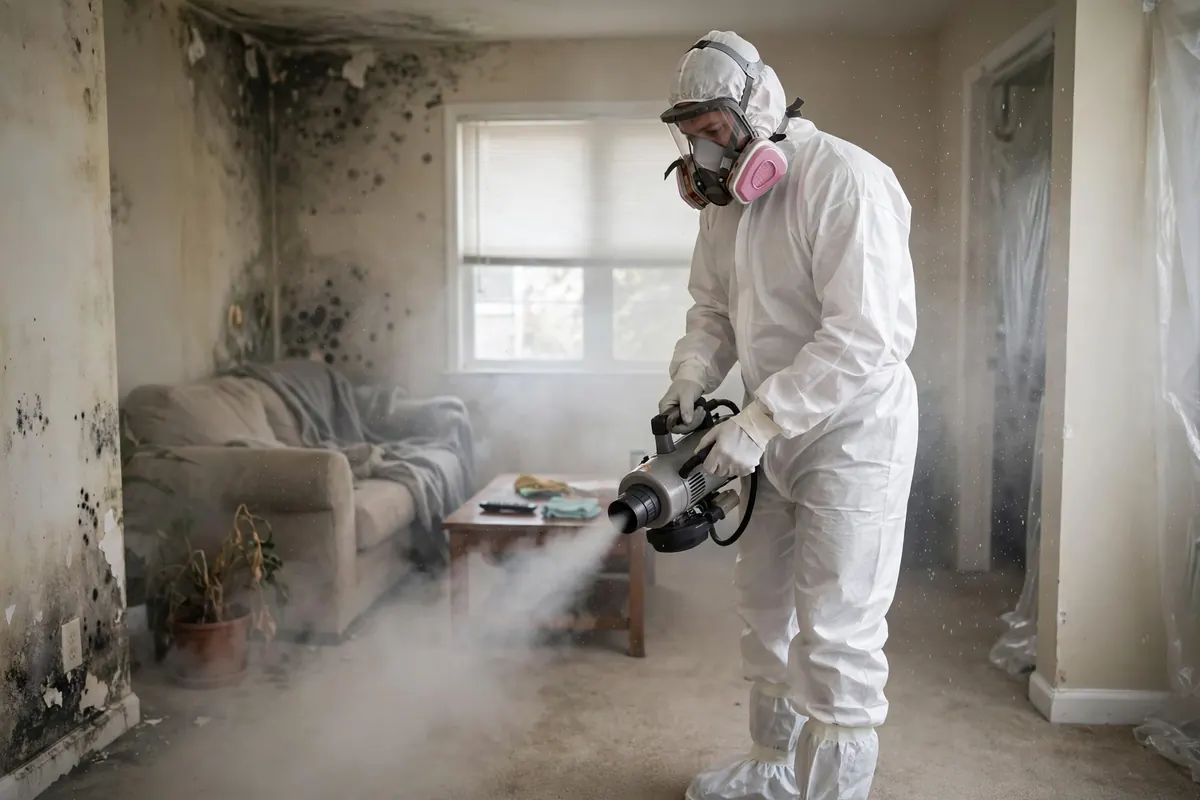
Sealed work zones and negative air keep spores out of the rest of your home while the job runs.
Soaked drywall and paper-backed materials get a clear verdict: cleanable, or removed and replaced.
Post-job testing and a walkthrough confirm the space is clear before barriers come down.
Every job is scoped to what we actually find, but a typical black mold visit runs through these steps.
A room-by-room look at the suspected area, tracing the moisture that let the growth start. We find the source, not just the stain.
Surface and air samples go to a lab so we know the species we're dealing with — including whether Stachybotrys is present.
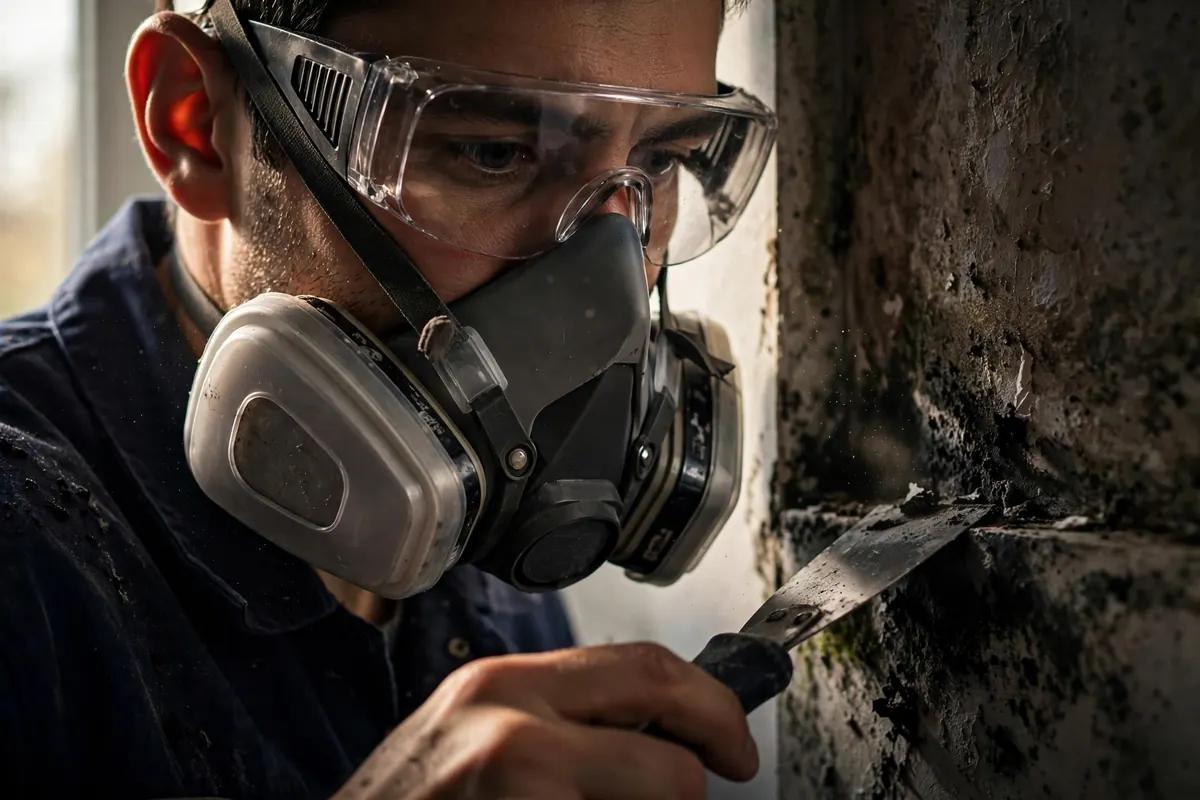
Sealed barriers around the work zone, then careful removal of affected materials. Porous cellulose like drywall and paper backing is usually cut out rather than scrubbed.
After cleanup, we verify the work with visual inspection and testing, then walk you through exactly what was done.
Describe what you found and get a clear next step from the local team.
Most people use “black mold” for any dark growth on a wall. The species the name usually refers to is Stachybotrys chartarum — a dark, often splotchy mold that feeds on cellulose and needs long-term moisture to take hold. It doesn't grow on just anything: it needs wet drywall paper, cardboard, ceiling tiles, or damp wood that stays damp for days or weeks.
Here is the catch: color alone can't confirm it. Several common molds look black to the naked eye. That is why lab identification matters — it tells you what's actually growing, which decides whether the job is a carefully contained removal or a simpler cleanup.
When growth is small and the cause is obvious — a dark patch on a bathroom ceiling under a leak that's already fixed — a visual assessment plus cleanup can be enough. When growth is widespread, hidden behind drywall, or keeps returning, sampling earns its keep.
Lab testing confirms the species, documents conditions before and after the work, and gives you a clear record of what was found. We recommend testing when the scope is unclear, when a property is changing hands, or when you simply want certainty before walls are opened up. One rule holds either way: testing never replaces fixing the moisture. Without that, any mold — black or otherwise — comes back.
We examine the affected areas and trace the moisture that caused the growth — a leak, seepage, or condensation — so the fix addresses the cause, not just the stain.
Surface or air samples go to a lab for species identification. Confirming whether Stachybotrys is present sets the scope of the work.
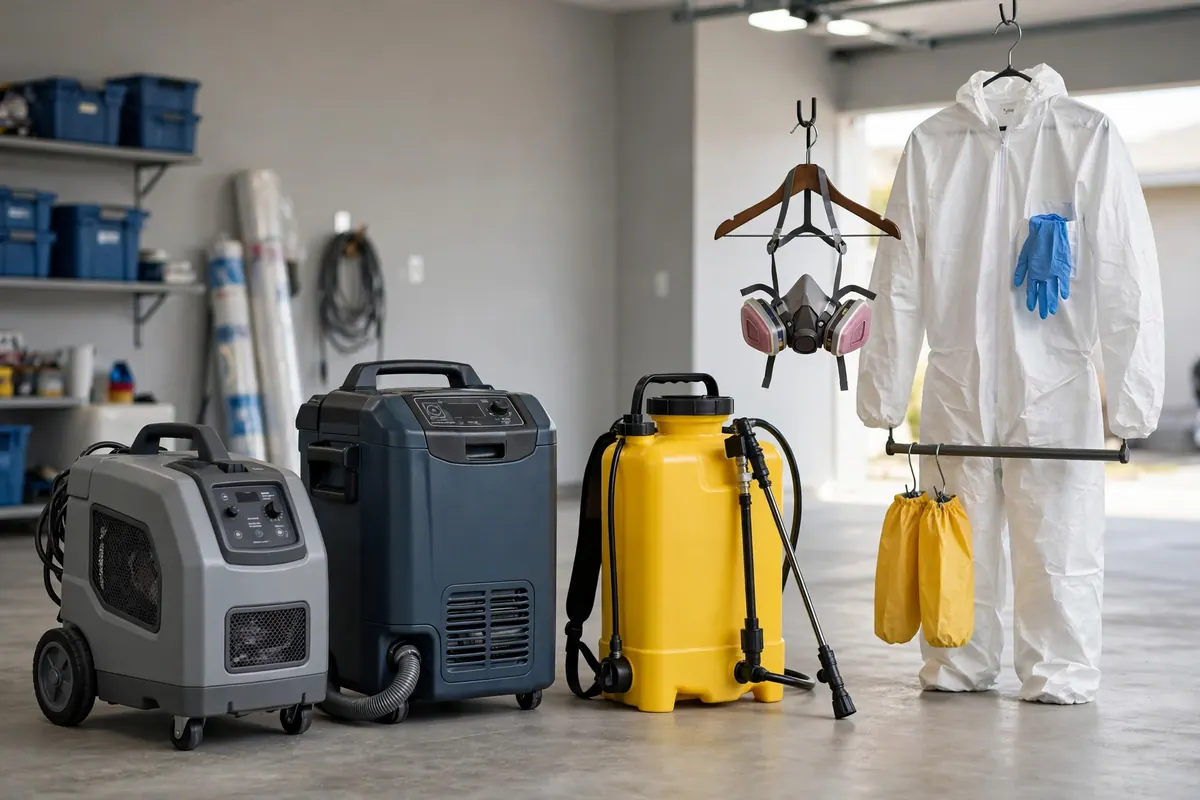
For heavier growth, the work area is sealed off with barriers and kept under negative air, protecting the rest of the home while we work.
Growth on porous cellulose — drywall, paper backing, insulation — is typically cut out and bagged. Solid surfaces are cleaned and treated. Every decision is made with you on site.
After cleanup, we verify with visual inspection and testing, then walk through the results with you: what was removed, what was kept, and how to keep it from coming back.
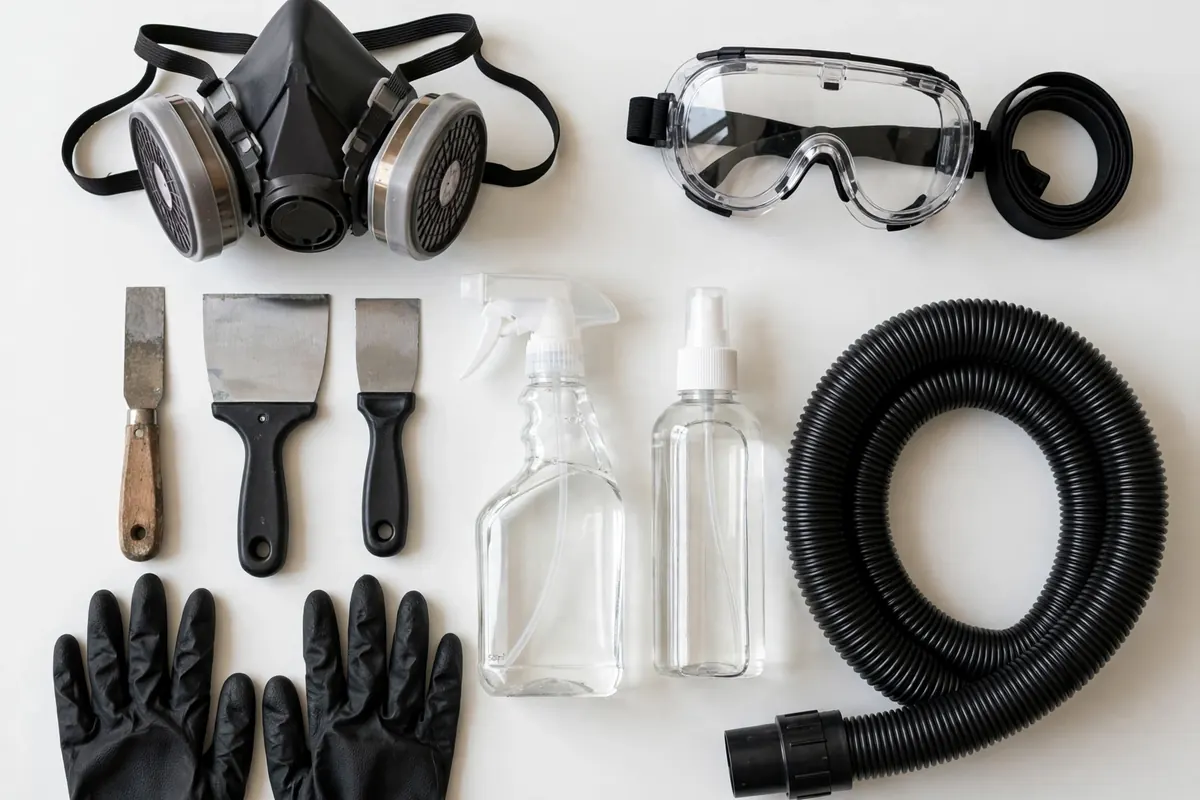
Surface samples lift spores directly from the growth for lab analysis — the most direct way to confirm the species.
Measures what's floating in the room air, useful before and after the work to document the change.
Pinpointing damp materials behind walls and under floors shows where growth may be hiding and whether the leak is truly fixed.
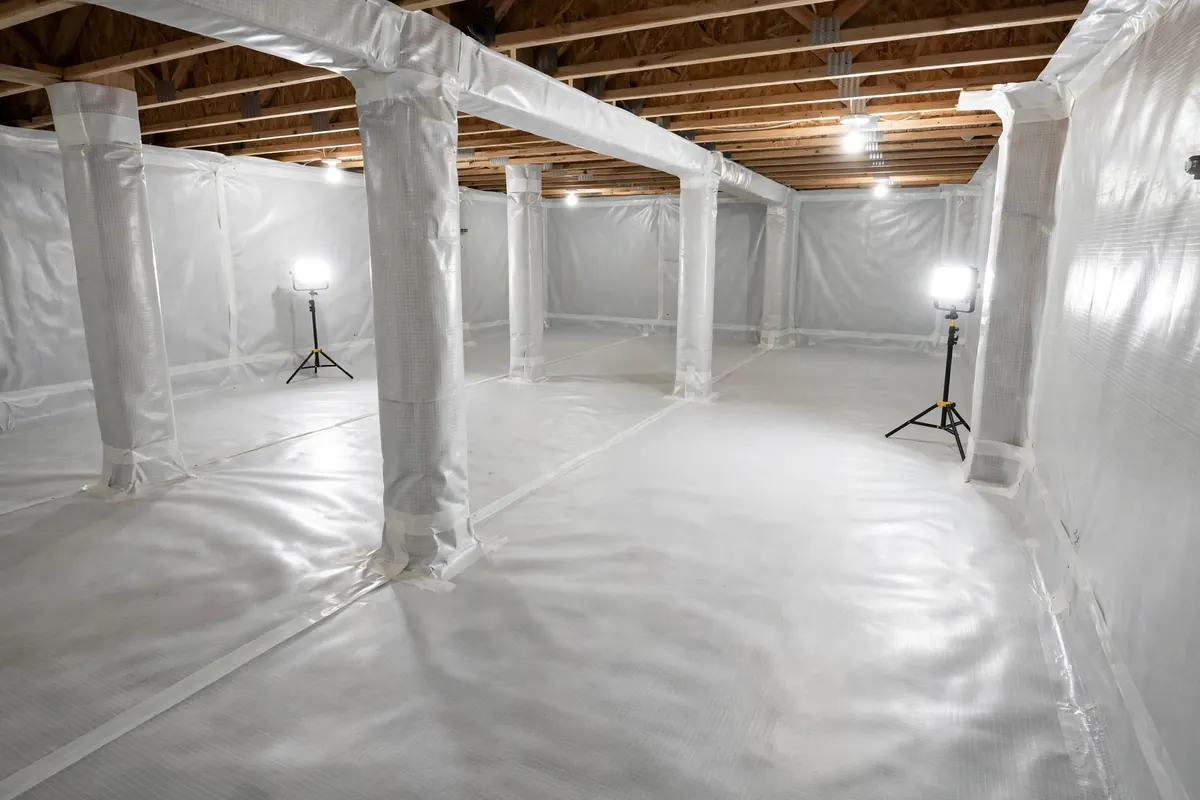
Sheeting and sealed entries isolate heavy-growth areas so spores don't travel through the home during removal.
Filtered airflow keeps the work zone under negative pressure, pulling particles inward instead of letting them escape.
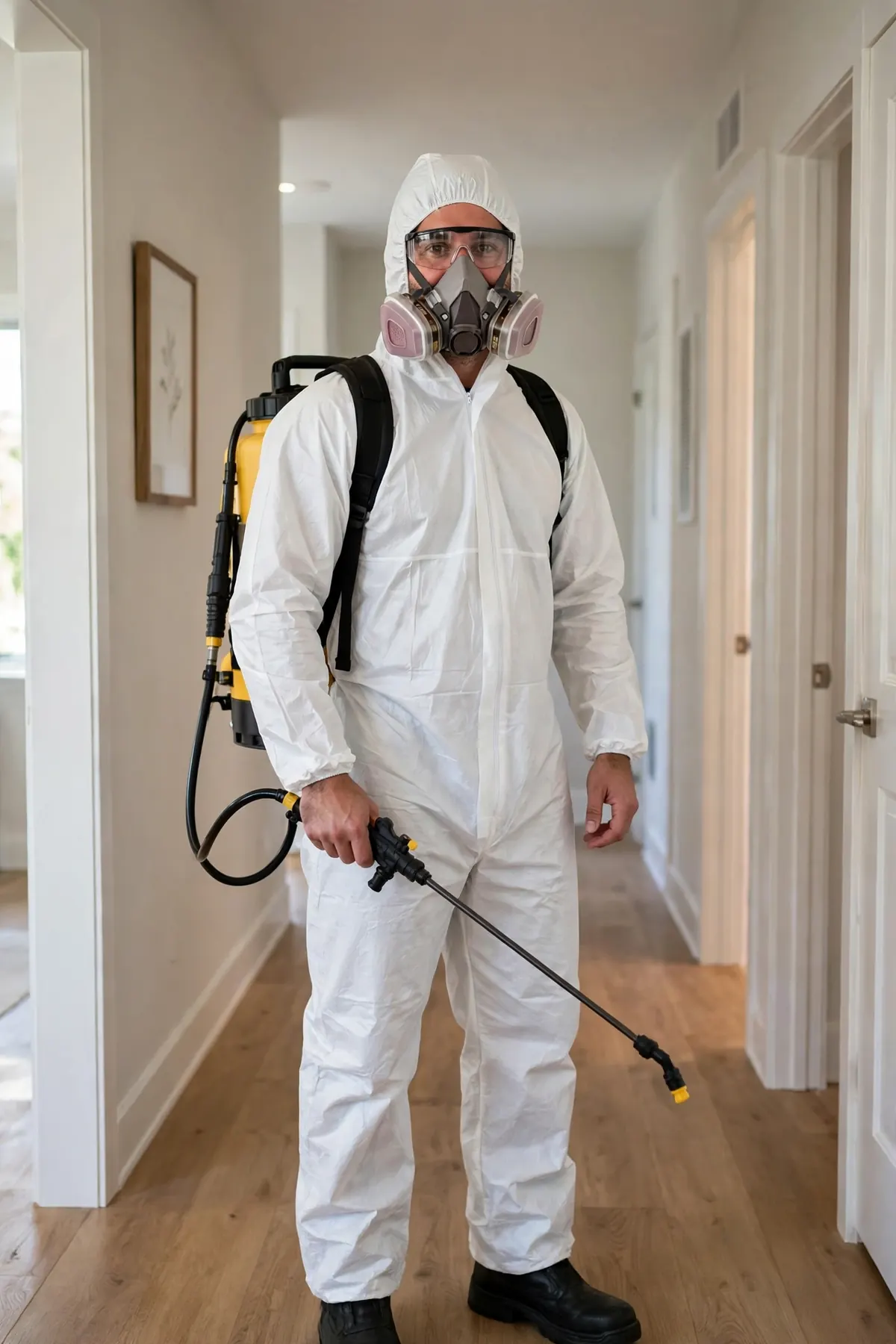
Rather than scrubbing soaked drywall, we cut out and bag affected cellulose — on porous materials, removal beats resurfacing.
A final round of inspection and testing confirms the work area is clear before the barriers come down.
Slow drips under sinks or behind appliances keep drywall damp long enough for Stachybotrys to establish. If the material feels soft or the growth keeps spreading, it needs more than a wipe-down.
When basements or ground floors stay damp for days after water gets in, cellulose materials absorb it deep. We assess what dried in time and what didn't.
Recurring patches in the same spot point to unresolved moisture or growth inside the wall. We trace the source and check whether the material behind the surface is affected.
Newark’s older housing stock — drywall and plaster over wood framing, aging plumbing, basements that take on water — creates the exact conditions Stachybotrys wants: cellulose that stays wet. Humid summers add condensation in poorly ventilated attics and basements. We look for growth where the city’s homes are most vulnerable, not just where it's visible.
Dense older housing with aging plumbing; slow leaks behind walls are a common starting point for hidden growth.
Larger older homes with attics and basements where ventilation gaps let moisture linger after storms.
Ground-floor units and basements prone to seepage during heavy rain, where damp drywall can sit wet for days.
Drywall, plaster, and wood framing all feed cellulose-hungry molds once water finds a way in.
Warm, damp air settling in basements and crawl spaces keeps materials moist between rain events.
Dark growth spreading behind shower tiles where failing grout let moisture soak the drywall paper for months.
Affected drywall cut out and replaced, the area verified clear, and the moisture path sealed.
Maintenance: Run bathroom ventilation during and after showers so wall cavities stay dry.
A small roof leak kept one section of roof sheathing damp, and dark growth spread across the boards.
Affected boards addressed, the leak repaired, and the attic left dry and verified clear.
Maintenance: Check the attic after heavy storms and keep vents clear so the space can dry out.
Paneling and drywall in a finished basement fed growth from a slow supply-line drip that went unnoticed for weeks.
Damaged sections removed under containment, framing cleaned, and post-job testing confirmed the space was clear.
Maintenance: Check under sinks and behind appliances now and then — slow drips are the usual culprit.
A black mold job answers the questions surface growth can't: what's actually growing, and can the material stay.
Dark patches all look alike to the eye. Identification tells you whether you're dealing with Stachybotrys or a simpler cleanup — and scopes the work accordingly.
Wiping the surface misses growth rooted in drywall paper and framing. We open up what's needed and remove affected material rather than covering it over.
Without tracing the leak or seepage, growth returns. We find the water source and confirm it's addressed before the job closes.
Black mold jobs turn on three things: correct identification, honest containment, and good judgment about materials. Our team works to recognized industry guidelines, and every job ends with verification — not just a visual once-over.
Black mold, particularly Stachybotrys chartarum, is more toxic than other molds and can cause serious health issues. It's crucial to address it promptly.
Breathing in black mold spores can lead to respiratory problems, allergic reactions, and other health issues. It's essential to remove it immediately.
Toxic black mold typically develops in damp, humid conditions, especially where there has been water damage or leaks. Poor ventilation can also exacerbate the issue.
No, bleach does not penetrate porous materials effectively, making it inadequate for killing deep-rooted black mold. Professional removal is recommended.
Not seeing your question? Our local team can help you understand urgency, scheduling and what to expect.
Ask the local team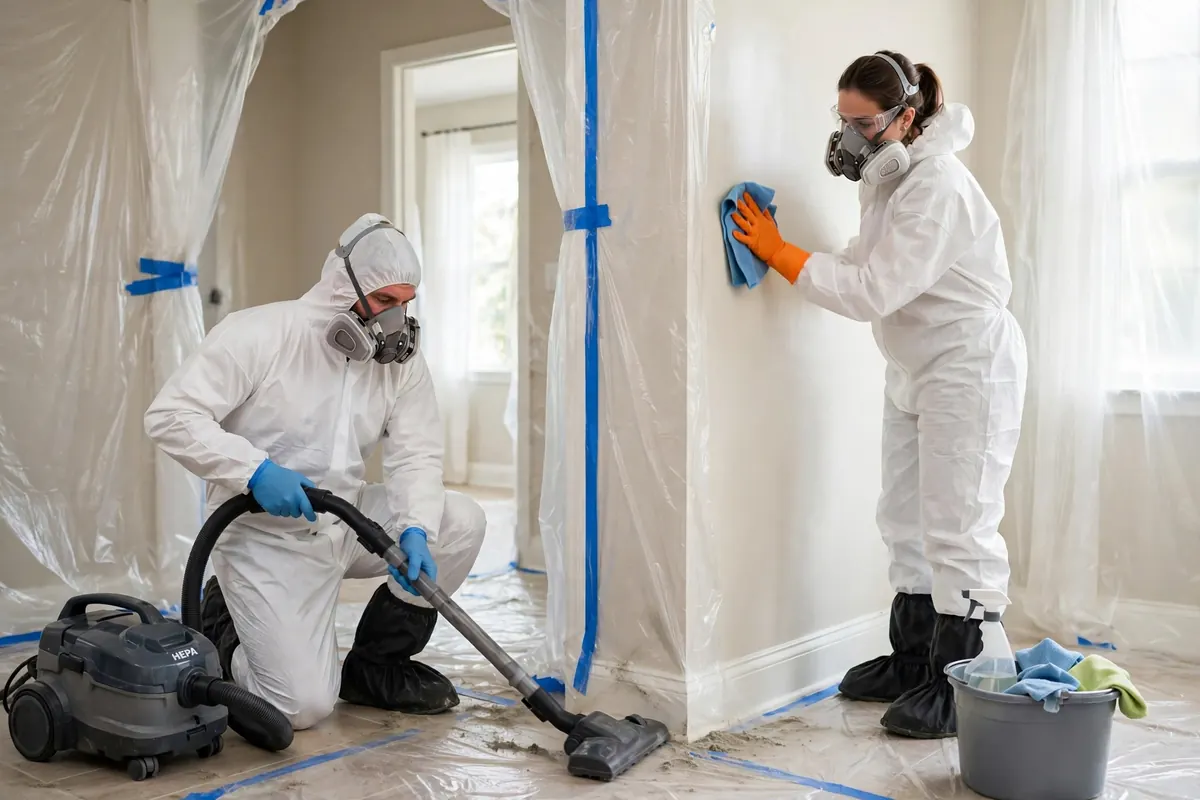
Mold Inspection & Testing is important for identifying hidden mold and assessing air quality. This service complements Black Mold Removal by ensuring thorough remediation.
View service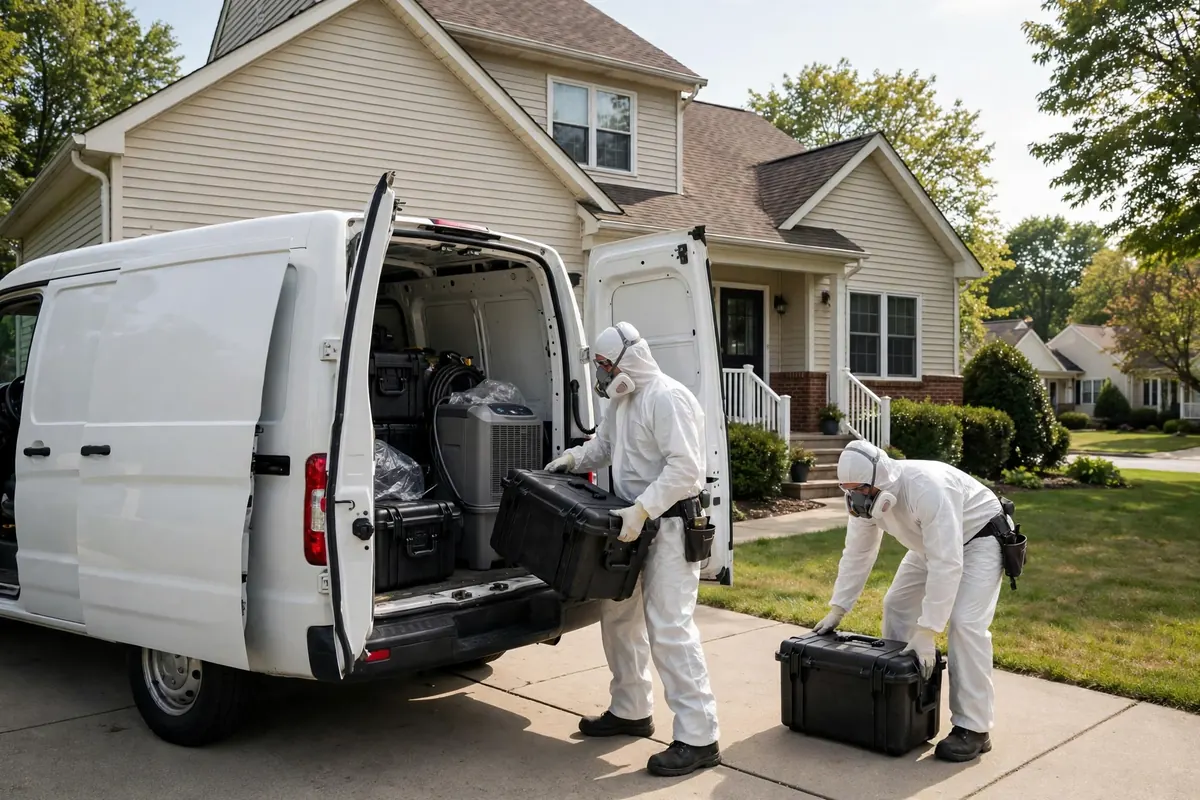
Air Quality Testing helps determine the presence of mold spores in your home. This service is vital before and after Black Mold Removal to ensure a safe environment.
View service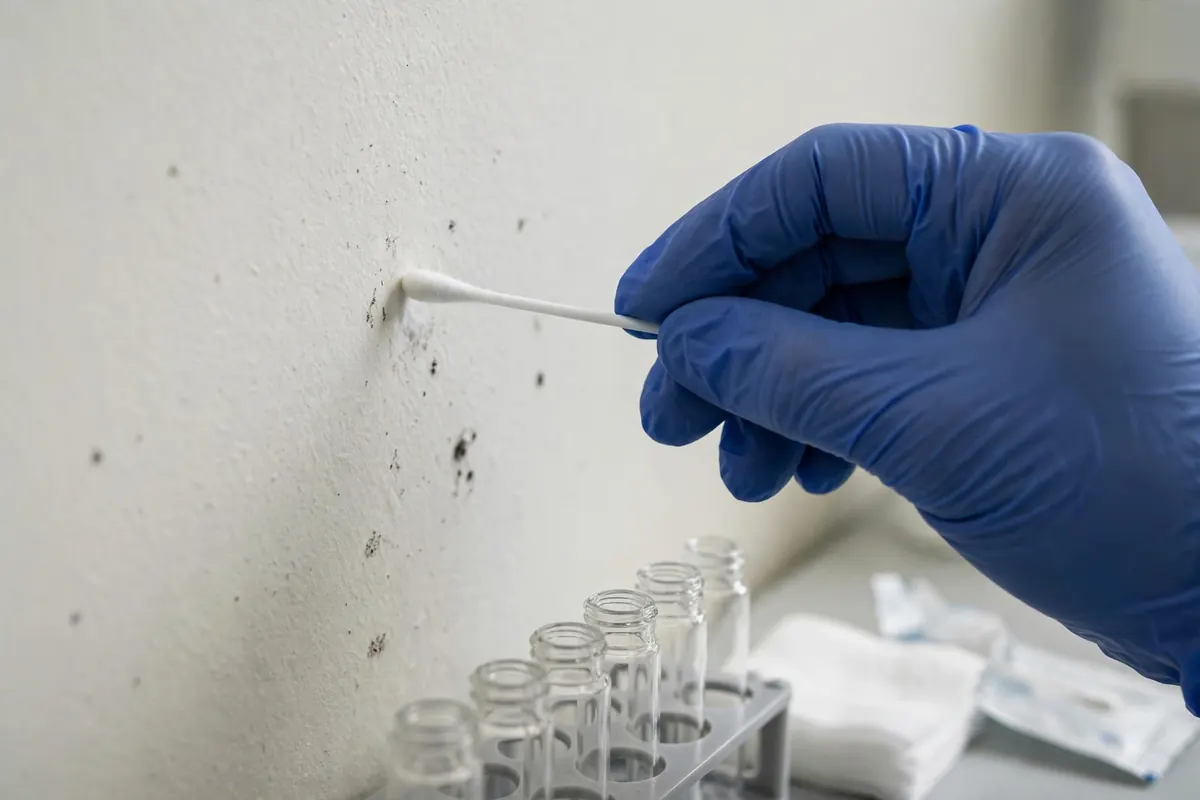
Mold Clearance Testing confirms that all mold has been removed after remediation. This service is essential for peace of mind following Black Mold Removal.
View service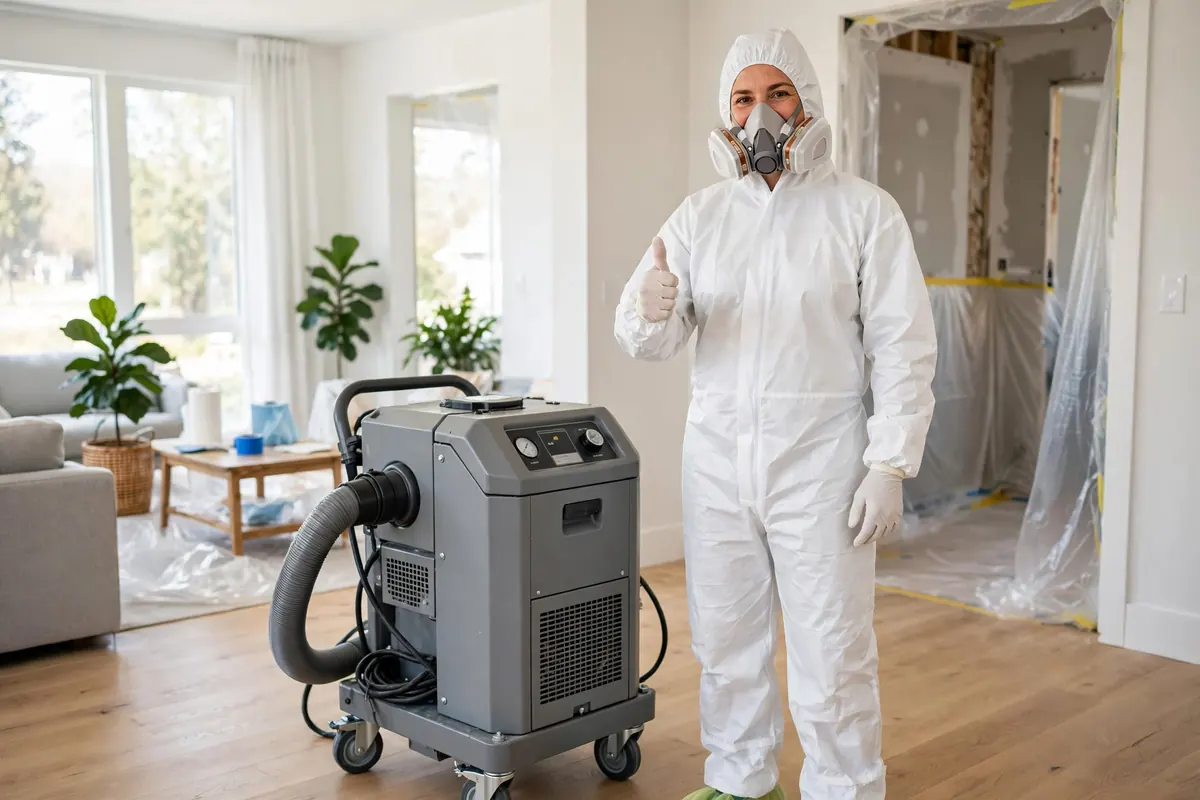
Basement Mold Removal targets moisture-prone areas, preventing mold growth. This service is often necessary alongside Black Mold Removal in homes with basements.
View serviceWe bring this service to homes and businesses across Newark and the surrounding communities.
Found dark, spreading growth — or suspect Stachybotrys behind a wall? Tell us what you're seeing and we'll help you decide whether sampling, a visual inspection, or a full contained removal is the right next step. Our team is available Monday to Friday and responds quickly to every inquiry.
Small spots turn into big jobs fast in New Jersey humidity. Call now and we'll schedule your inspection.
Call (973) 400-5618