Water stopped first
Extraction and source control come before anything else — mold work on wet materials is wasted work.
Last updated: October 4, 2026
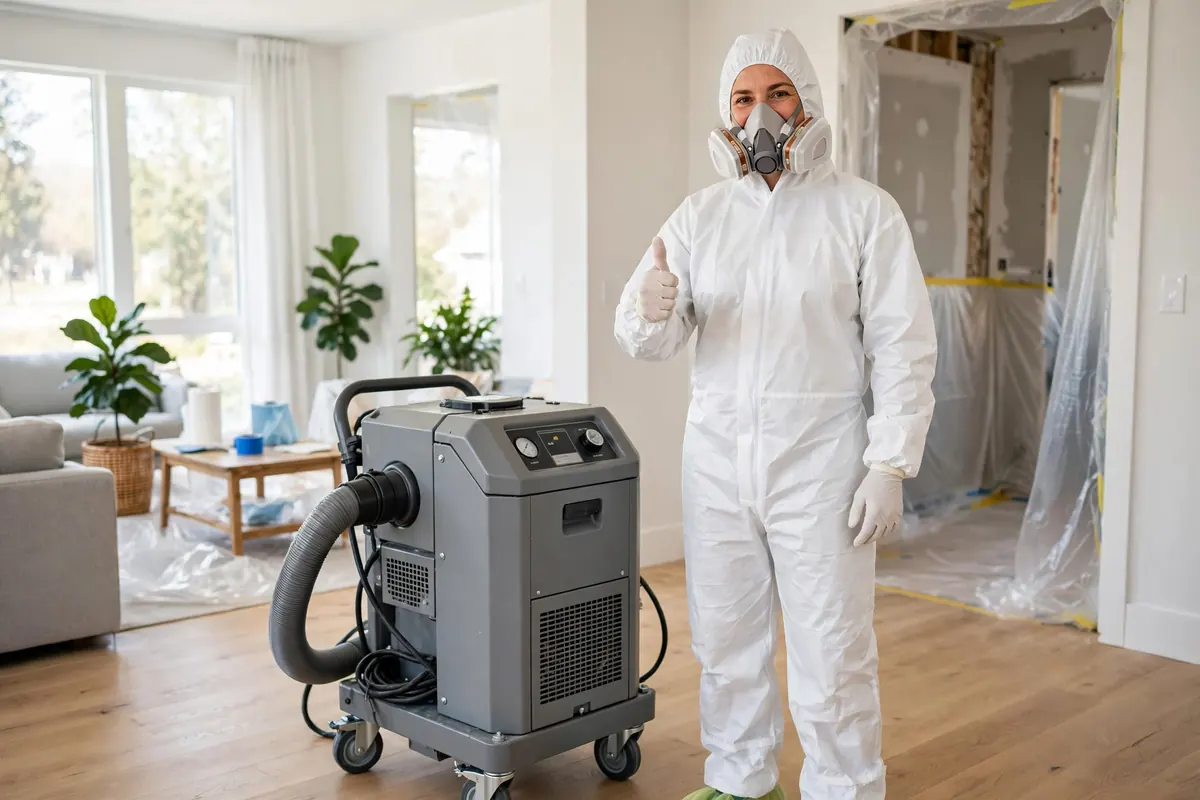
The clock starts the moment water hits drywall — mold gets a 48-hour head start.After water damage, drying and mold remediation are two jobs in strict order: extract the water, dry the structure verified by meters, then remediate what the moisture already started. We do both, in that order, matched to the category of water you're dealing with.
Extraction and source control come before anything else — mold work on wet materials is wasted work.
Surfaces feel dry long before they're. We meter to standard before remediation starts.
Clean, gray, and black water get different handling. Sewage isn't a mop job.
Contaminated drywall gets removed, not encapsulated and forgotten.
Water-damage mold service is extraction plus drying plus remediation. Here is the package:
Standing water out first, and the source stopped — burst pipe, failed appliance, or intrusion point addressed before drying begins.
Air movers and dehumidifiers run until pin meters confirm framing and drywall are actually dry, not just surface-dry.
Contaminated materials removed under containment, remaining surfaces treated, HEPA-filtered throughout.
Humidity held down through the dry-out so mold doesn't colonize while the structure dries.
The 48-hour mold window doesn't respect business hours. Call now and we'll tell you what to do before we arrive.
Mold can begin colonizing wet drywall, wood, and carpet within 24 to 48 hours of water exposure. That window is the entire logic of water-damage response: everything before it's drying, everything after it's also remediation.
The category of water changes the plan. Clean water from a supply line is a drying job with mold prevention. Gray water from appliances carries contaminants that change what can be saved. Black water — sewage or ground-flood water — means porous materials don't get dried, they get removed. And the cruelest part of water damage is what you can't see: moisture wicks up inside wall cavities and under flooring, where it feeds mold for months while the surface looks fine. That is why meter verification, not touch, decides when drying is done.
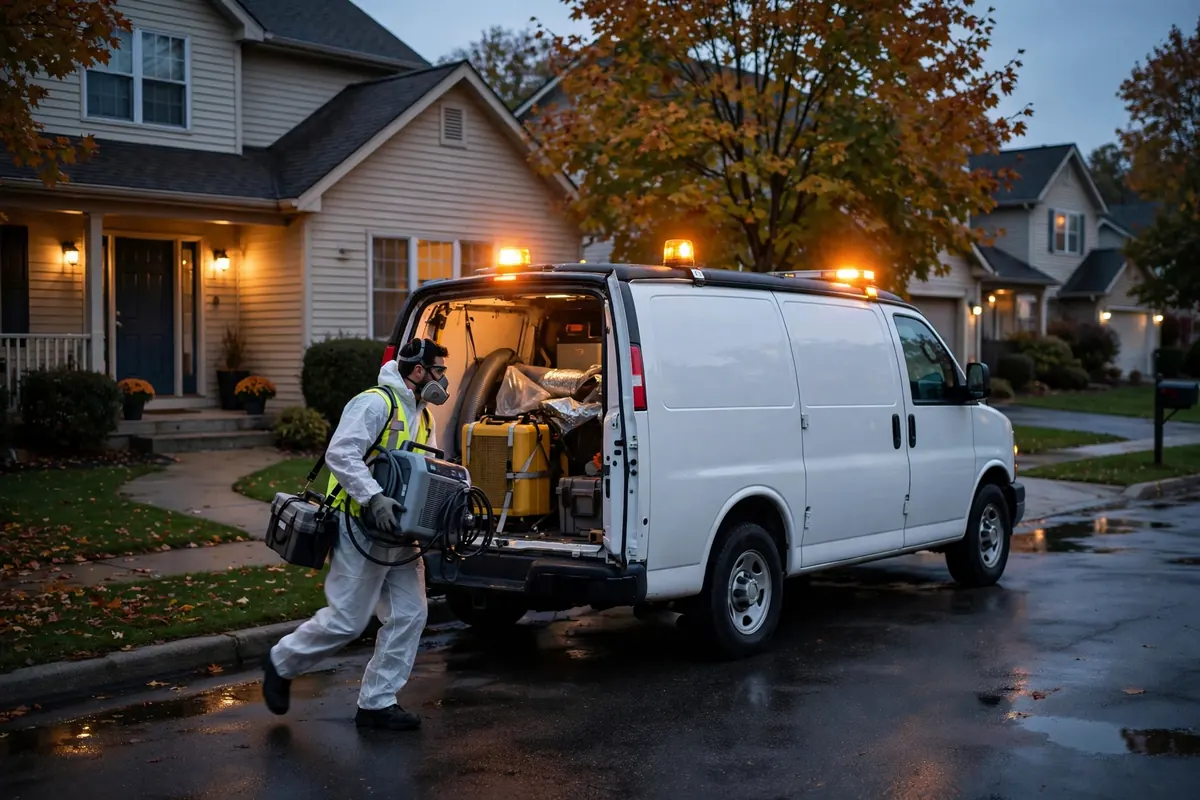
Standing water extracted, and the source — pipe, appliance, intrusion — stopped or isolated.
Meters and thermal imaging map how far water traveled, including inside cavities. The drying plan follows the map.
Air movers and dehumidifiers run for days, with daily meter readings. Nothing moves to remediation until materials read dry.
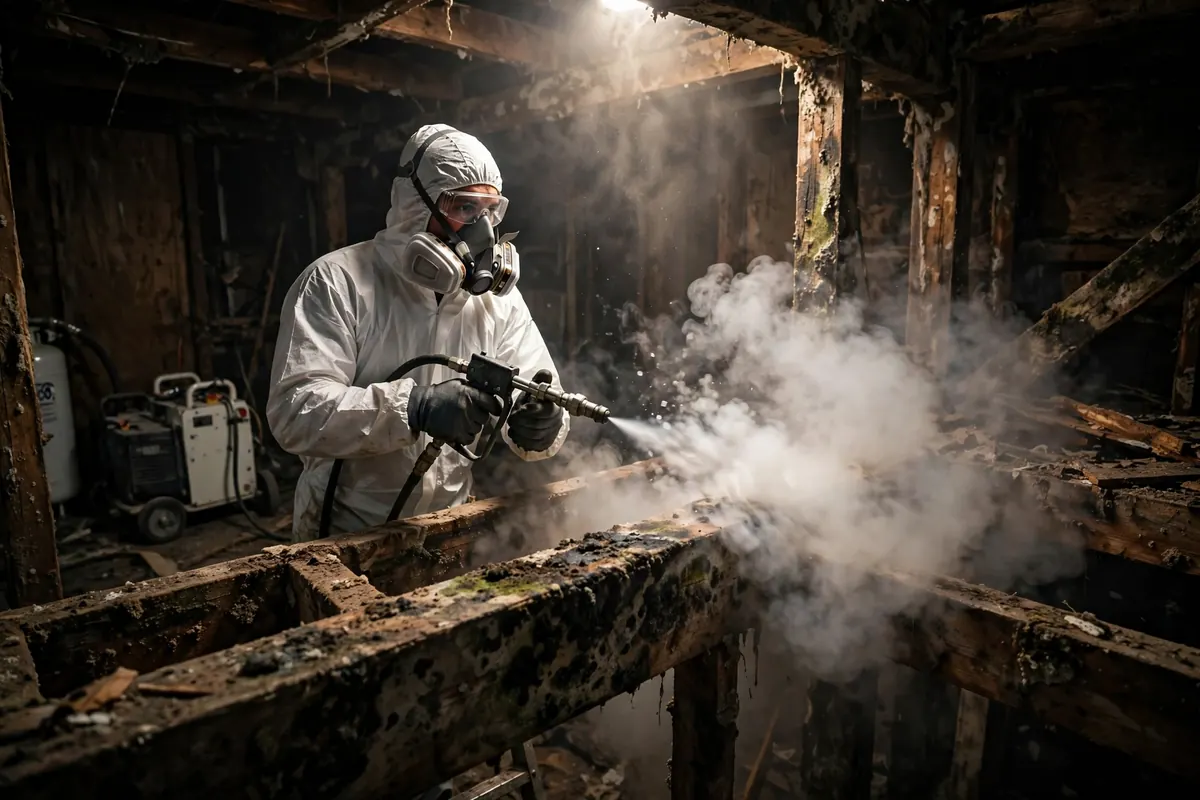
Contaminated drywall, insulation, and flooring removed under containment with negative air; remaining surfaces treated.
Final moisture readings, HEPA wipe-down, and a prevention plan so the next storm doesn't repeat this.
Pull standing water from floors and carpets fast — every hour of standing water is an hour toward colonization.
The drying engine: directed airflow plus refrigerant dehumidification, sized to the cubic footage.
Map the water’s full extent and verify dryness to standard — the instruments that end arguments.
Run during remediation to capture airborne spores stirred up by demolition and cleaning.
Poly barriers and negative pressure keep the work zone’s dust and spores out of the rest of the house.
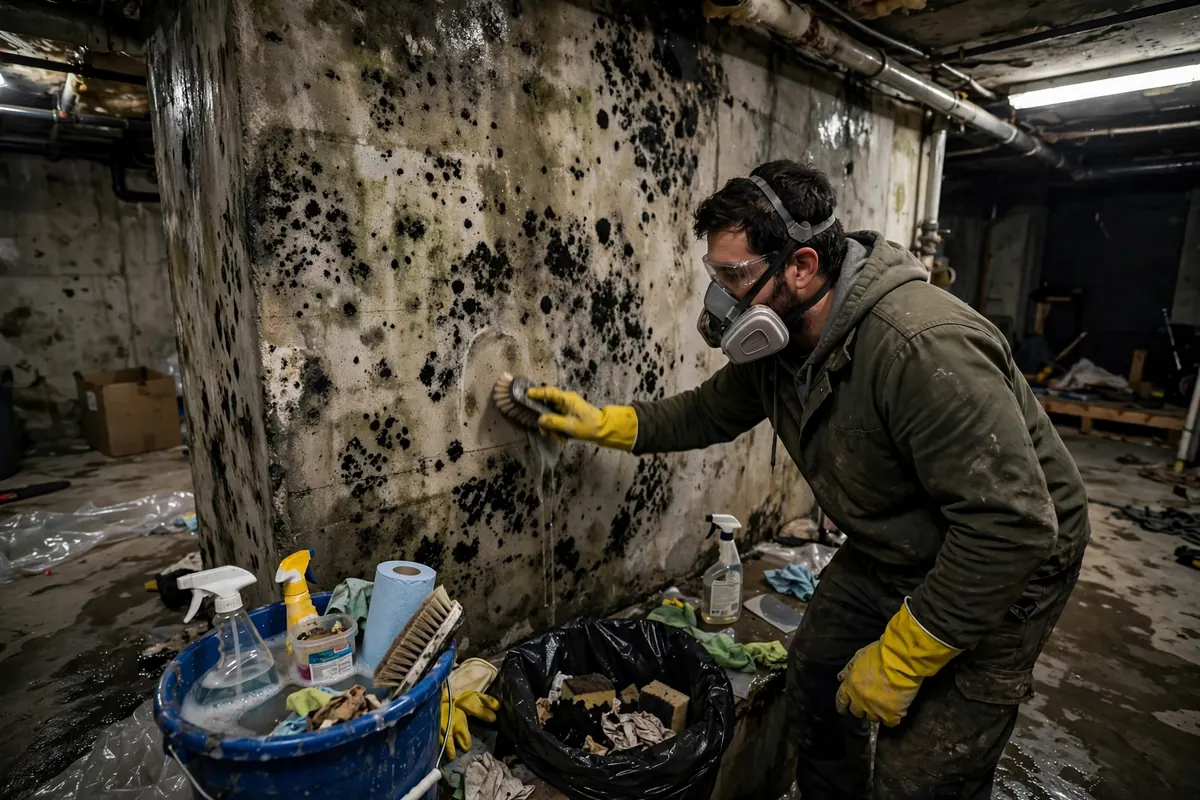
Flood cuts and controlled removal take out only what's contaminated — surgical, not sledgehammer.
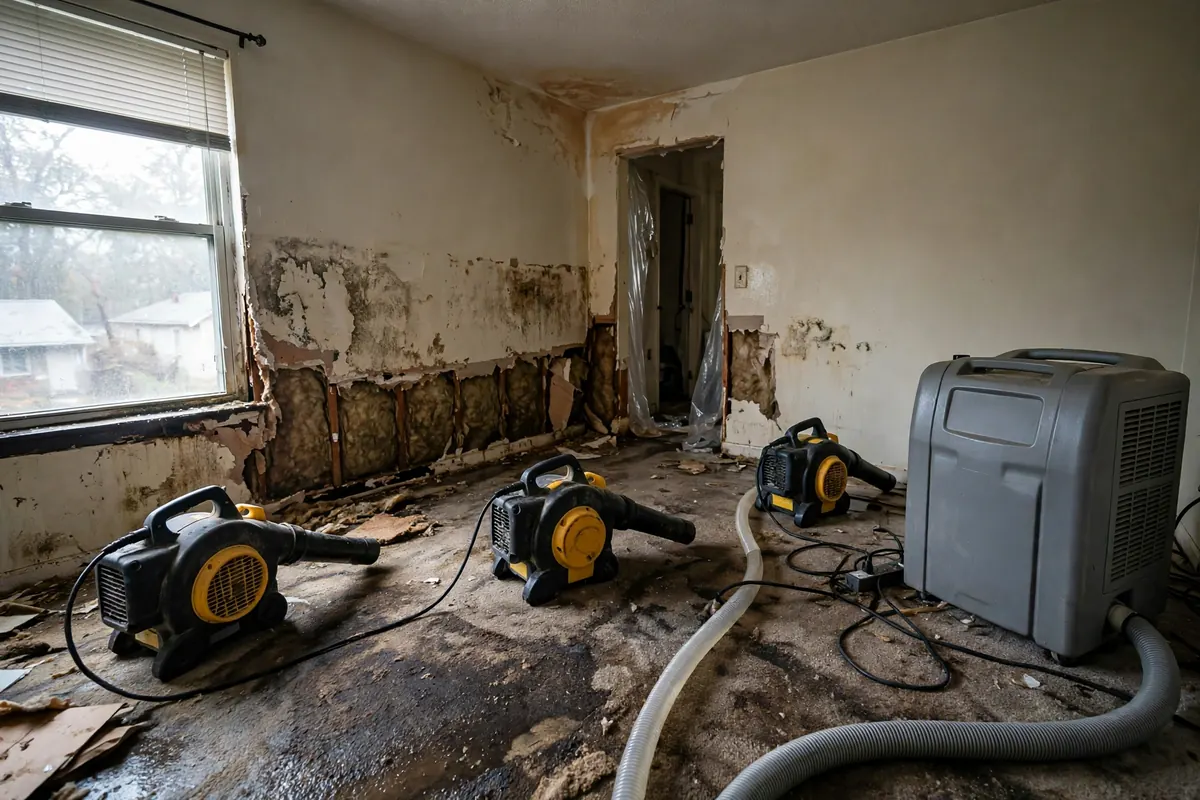
Past the 48-hour window, assume colonization in porous materials and call for assessment, not just drying.
Black water contaminates everything porous it touches. This is removal and remediation, not cleanup.
Surface-dry isn't cavity-dry. Odor after a water event means moisture is still working somewhere hidden.
Newark’s water damage has a seasonal calendar, and we work all of it:
Dense older housing where one burst pipe can affect multiple units — we coordinate multi-unit dry-outs regularly.
Post-war basements that take on water in heavy storms; grading and old foundations are the usual accomplices.
Aging roofs and plumbing stacks; slow leaks inside walls that run for months before anyone sees a stain.
Summer cloudbursts flood basements; winter freezes burst pipes. The mold window doesn't care which season it's.
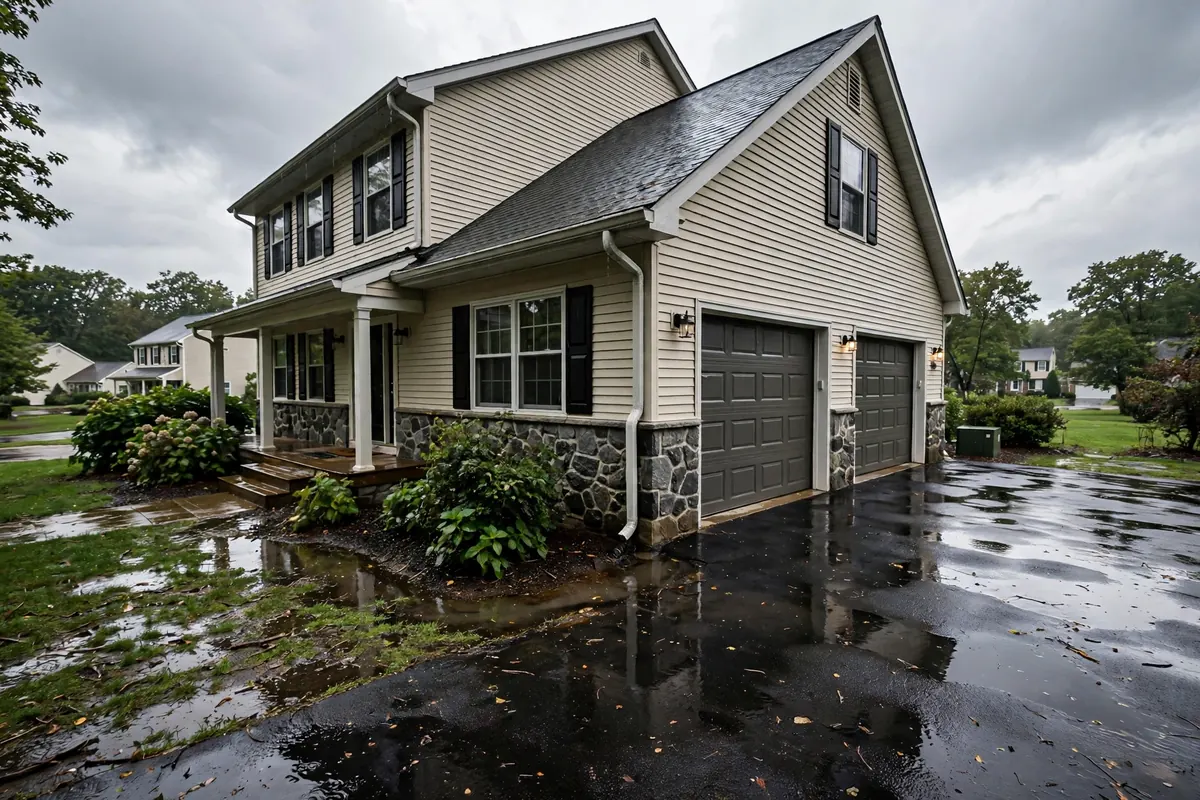
A water heater failed overnight; by morning the basement had an inch of standing water over finished flooring.
Extraction that day, days of metered drying, removal of the lower drywall, and remediation of the framing. Final readings dry, no growth.
Maintenance: Replace aging water heaters before they schedule the flood for you.
A dishwasher supply line seeped for months inside a wall; the first sign was a musty kitchen.
Moisture mapping found the full extent, the cavity was opened and dried, contaminated drywall removed, and the plumbing fixed. No more smell.
Maintenance: Check supply lines and appliance hoses yearly.
A summer storm overwhelmed the grading and sent water across a finished basement.
Full dry-out with dehumidification, removal of soaked carpet and pad, remediation of the lower walls, and a grading fix so it doesn't repeat.
Maintenance: Keep gutters clear and downspouts extended away from the foundation.
Water damage is never just water.
Porous materials wet past two days are presumed colonized. We treat them that way instead of hoping.
The surface dries; the wall cavity doesn't. Unverified cavities become next year’s mold discovery.
Gray and black water leave more than moisture. Category-matched removal protects what drying alone can't.
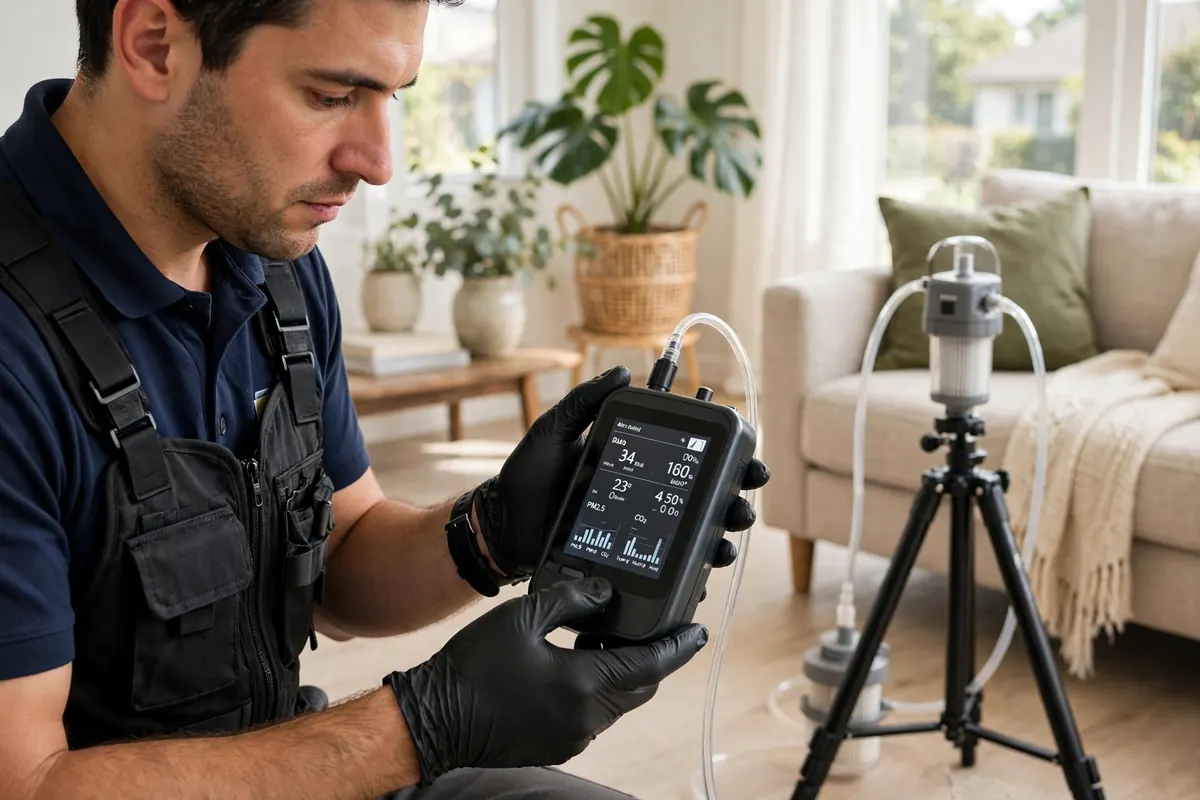
Most companies do one half well. The job needs both.
On wet drywall, wood, or carpet, mold can begin colonizing within 24 to 48 hours. That's why fast water extraction and structural drying matter more than anything in the first two days.
Yes, in that order. Standing water gets extracted and the structure gets dried with air movers and dehumidifiers first. Remediation happens on dry materials — treating mold on still-wet surfaces just invites it back.
It depends on how long it stayed wet and what the water carried. Briefly damp drywall can sometimes be dried in place; saturated or sewage-affected drywall gets cut out and replaced. We test moisture content before deciding.
Moisture meters and thermal imaging locate wet cavities without tearing open every wall. Where readings confirm a problem, we open only the affected sections, remediate, and leave you a clean, dry cavity to close up.
Not seeing your question? Our local team can help you understand urgency, scheduling and what to expect.
Ask the local team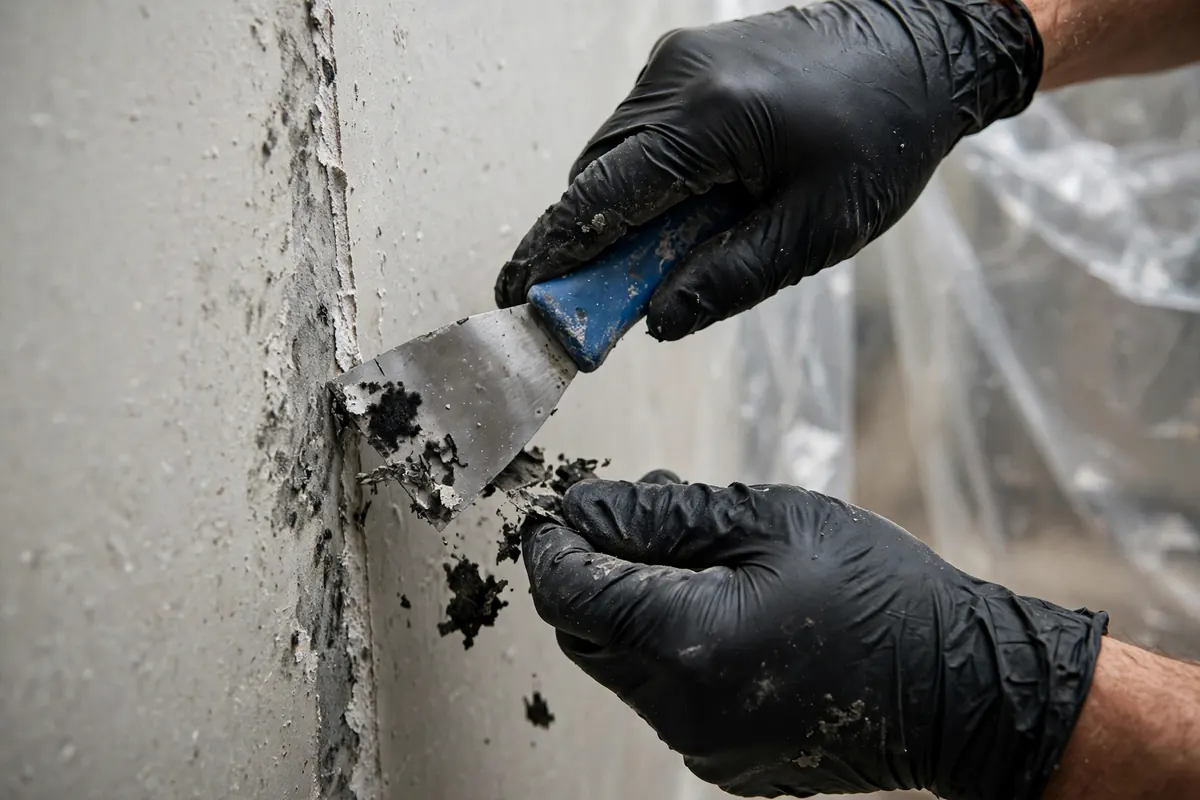
Black mold can pose serious health risks. Our Black Mold Removal service in Newark ensures complete eradication and safety.
View service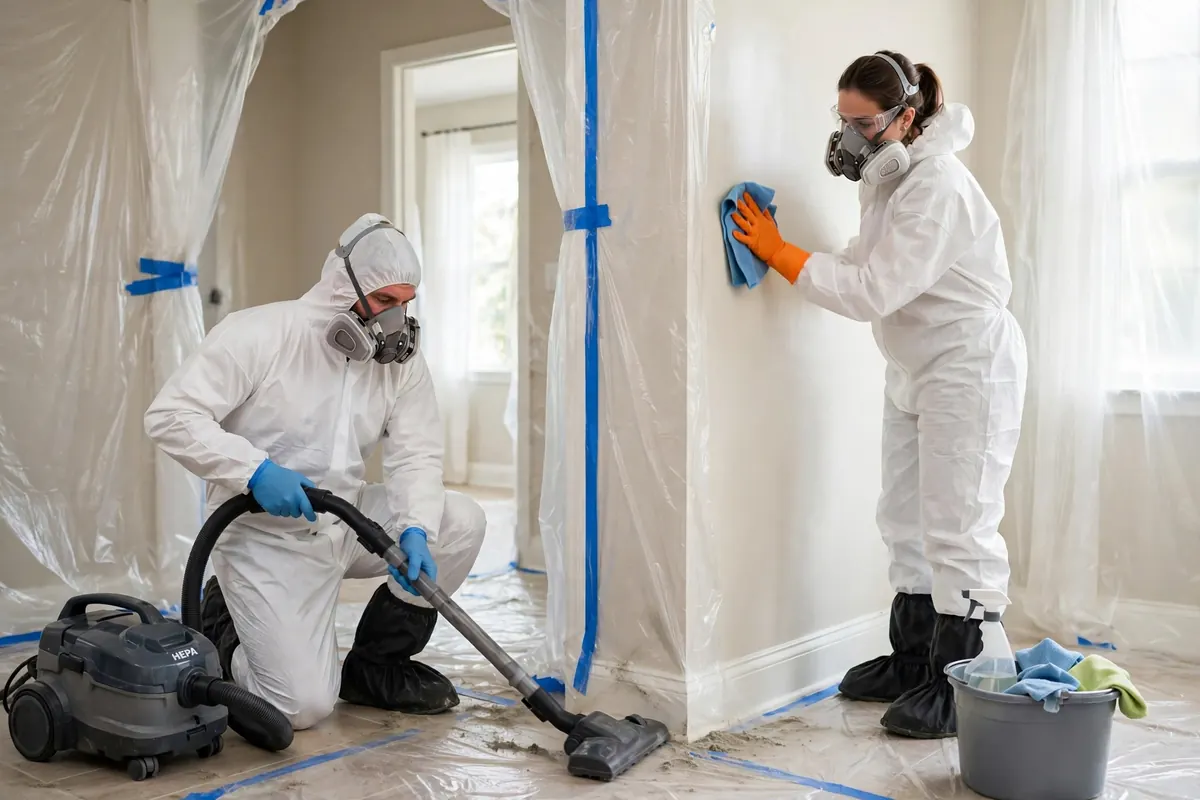
Before removal, we provide thorough Mold Inspection & Testing to identify the extent of the issue and tailor our approach.
View service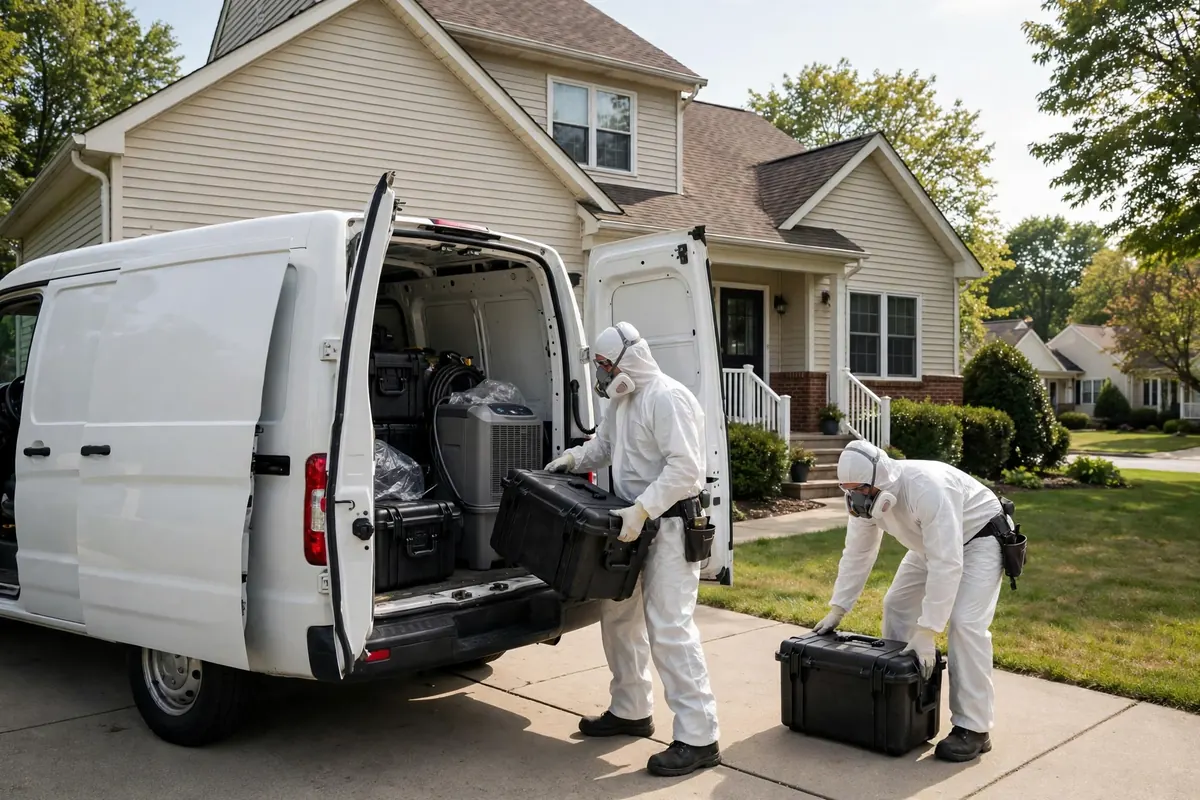
Our Air Quality Testing service assesses the health of your indoor environment, ensuring it's safe and free from harmful mold spores.
View service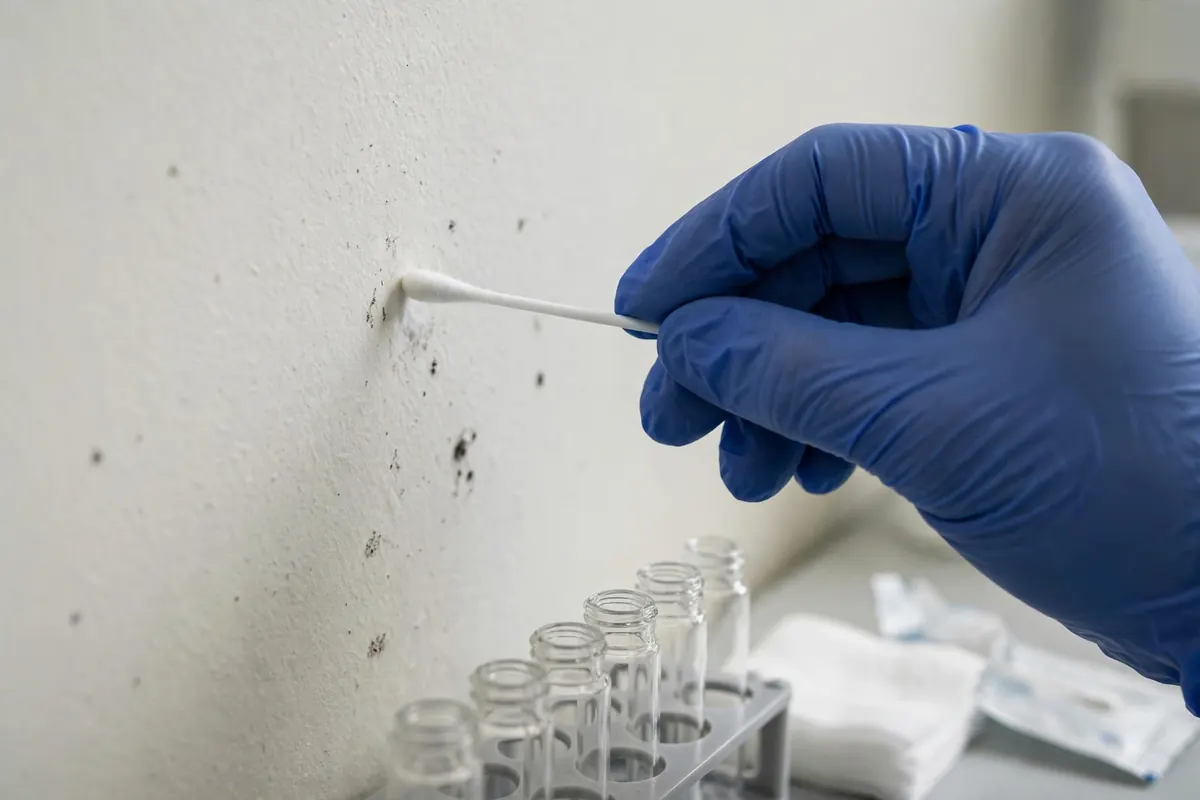
After remediation, Mold Clearance Testing confirms the effectiveness of our Water Damage Mold Removal Newark NJ services.
View service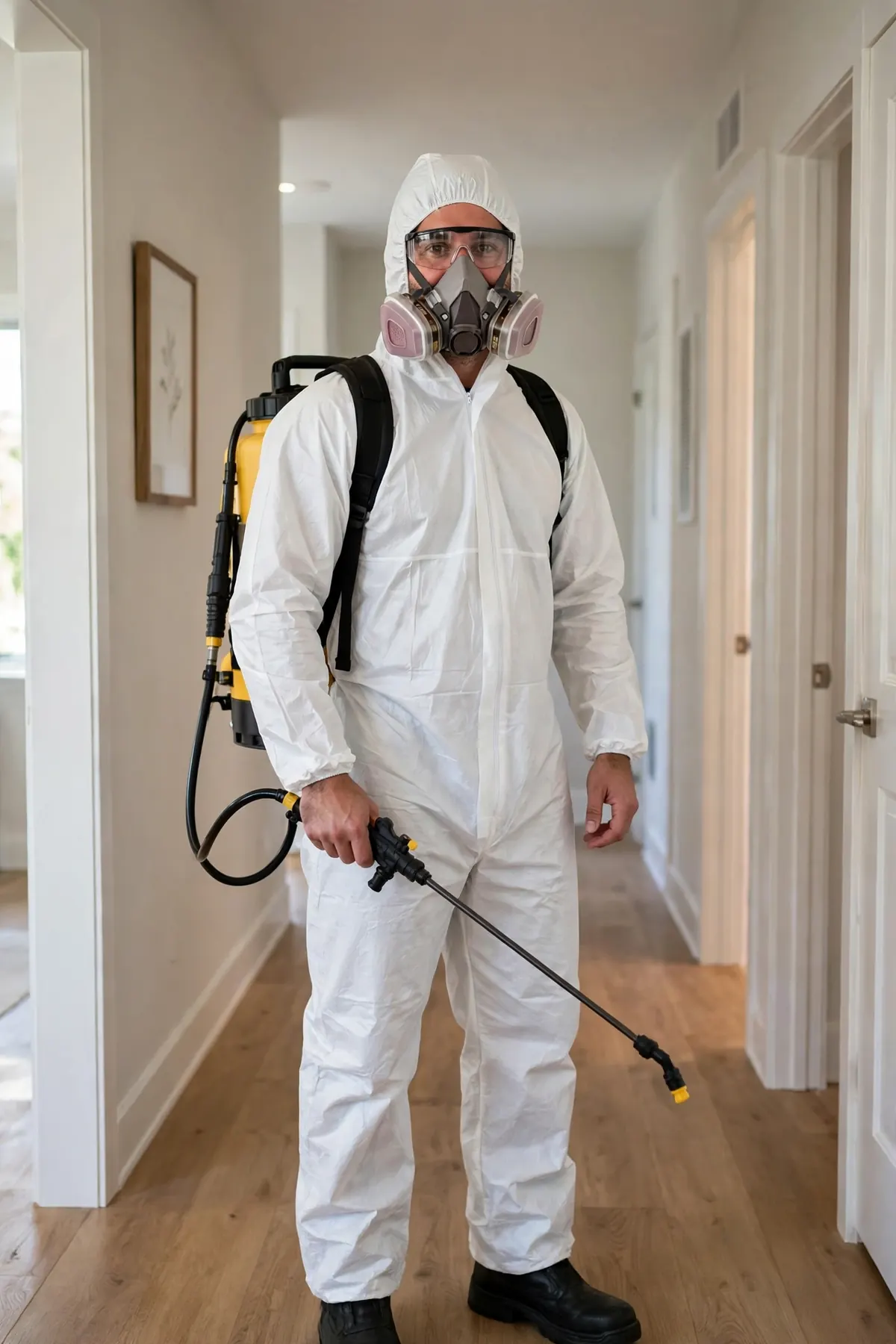
Active leak, recent flood, or a musty aftermath? Reach out now — water damage doesn't wait for business hours, and neither do we.
Small spots turn into big jobs fast in New Jersey humidity. Call now and we'll schedule your inspection.
Call (973) 400-5618