Foundation-first inspections
We trace the moisture path through walls and slabs before any work begins.

Last updated: October 4, 2026
Expert solutions for a healthy home environmentGroundwater pressing through a foundation wall, a sump pump that quits mid-storm, white blooms spreading across concrete — basements fail in ways the rest of the house never sees. When that moisture feeds growth behind drywall or under carpet, our Newark crew traces the water’s path, clears the affected material, and leaves you with a basement that stays dry.
We trace the moisture path through walls and slabs before any work begins.
Every visit reviews the pump, discharge line, and grading that feeds the problem.
We show which finished walls can stay and which must go — and the reason for each.
Dehumidification and drainage guidance keep the space from backsliding.
Basement work starts with the water, not the growth. Here is what a typical visit covers, from the first moisture reading to the final walkthrough.
Readings across walls and slab reveal where water enters — cracks, the cove joint, or porous block — so the scope is based on evidence, not guesses.
We test the pump, inspect the pit, and trace the discharge line to confirm water actually leaves the property instead of cycling back.
White mineral blooms on masonry get mistaken for mold constantly. We identify each patch so only real growth gets treated.
Where growth hides behind drywall, we decide room by room what comes out, what can be cleaned and kept, and what goes back in.
Work zones get sealed off so spores and dust don’t travel upstairs while affected material is removed and surfaces are treated.
Moisture readings are re-checked and we walk the space with you, so the job isn’t done until the basement tests dry.
Tell us where the dampness shows up and get a clear next step from the local team.
A basement sits in the ground, and the ground holds water. Hydrostatic pressure pushes groundwater against foundation walls and up through the slab; after a storm, that pressure can force water through cracks, the cove joint, or straight through porous concrete. When a sump pump dies mid-storm, the result is exactly the damp, still air that mold needs.
Newark’s older housing stock — brick rowhouses and block or stone foundations — plus heavy summer storms give local basements plenty of chances to get wet. Once moisture sits behind finished walls or under carpet, colonies can take hold long before anyone smells a thing.
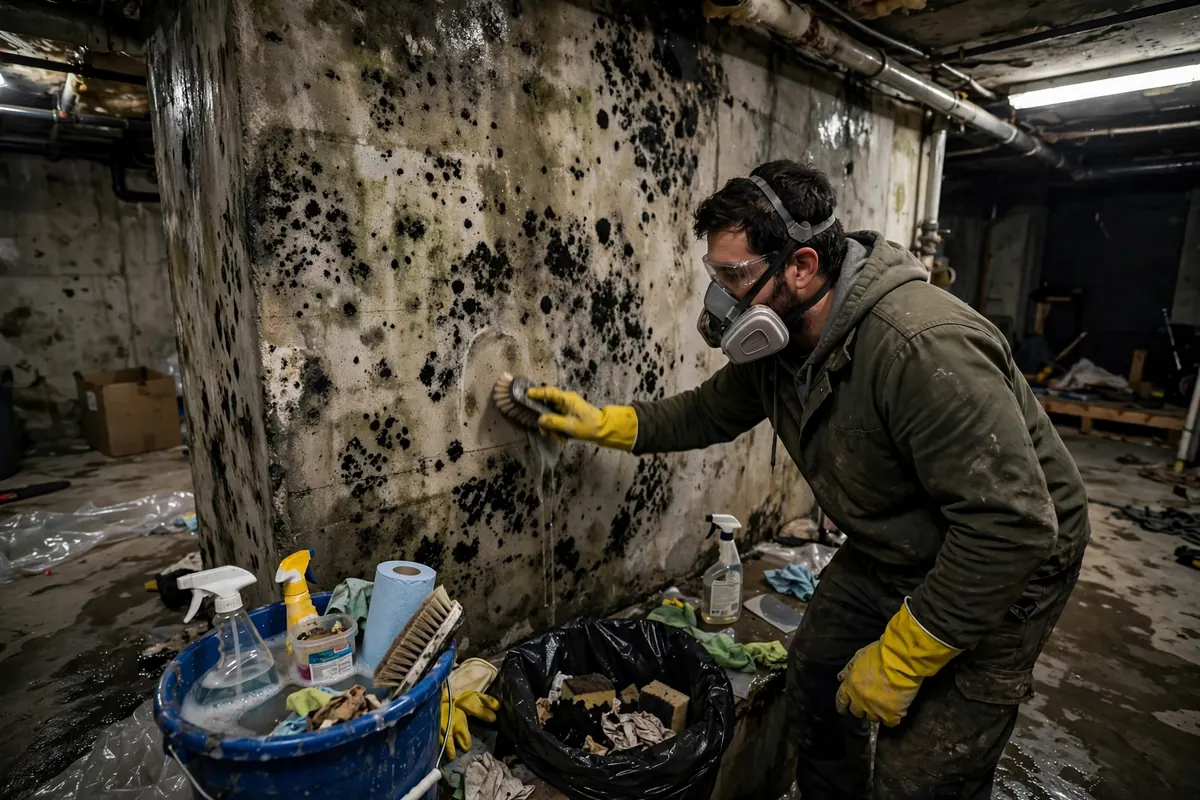
We walk every wall and the slab, noting cracks, staining, seepage lines, and where water has entered before.
Readings across walls and floor build a map of the damp zones — the same map that sets the scope of work.
The pump is tested, the pit checked for sludge, and the discharge line traced to confirm water leaves the property.
White powdery blooms on masonry are usually mineral salts, not mold. We identify each patch so only actual growth gets treated.
Where finished walls are affected, we decide section by section: what gets removed, what gets cleaned and kept, and what mold-resistant material goes back.
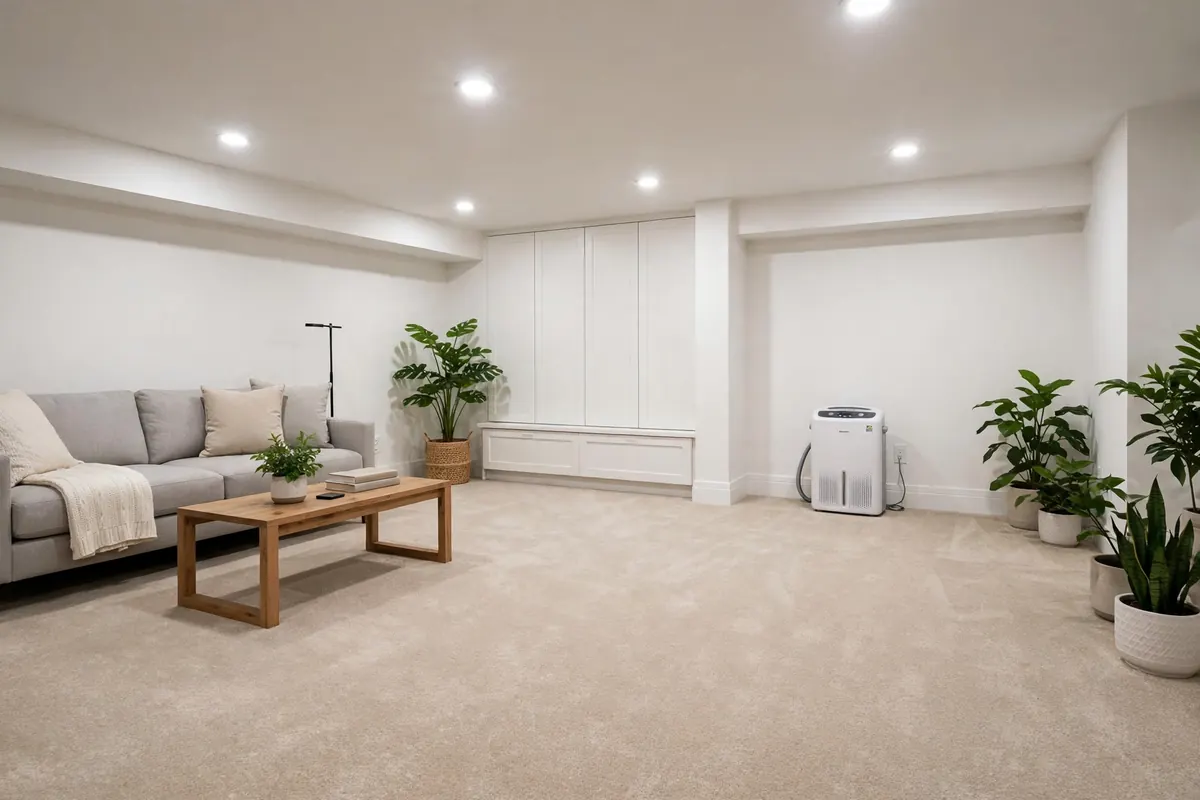
Affected material comes out under containment, the space is dried and treated, and we re-check moisture before the final walkthrough.
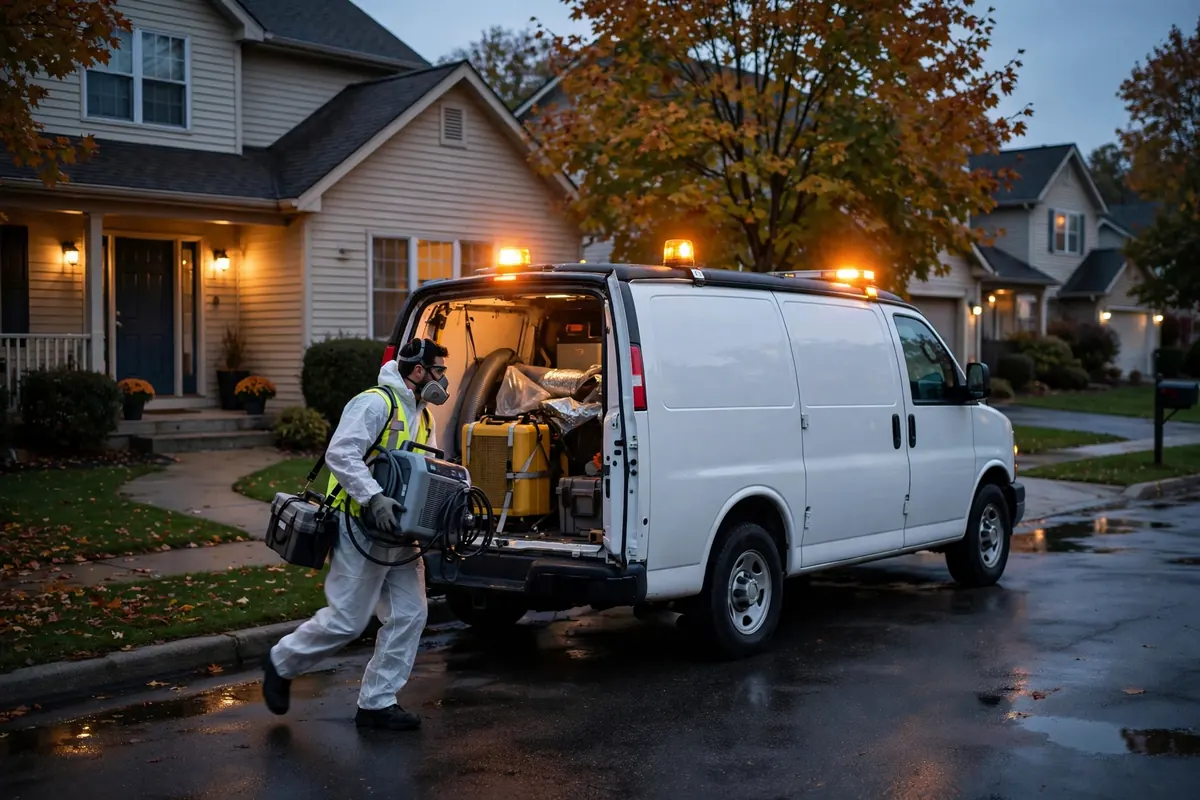
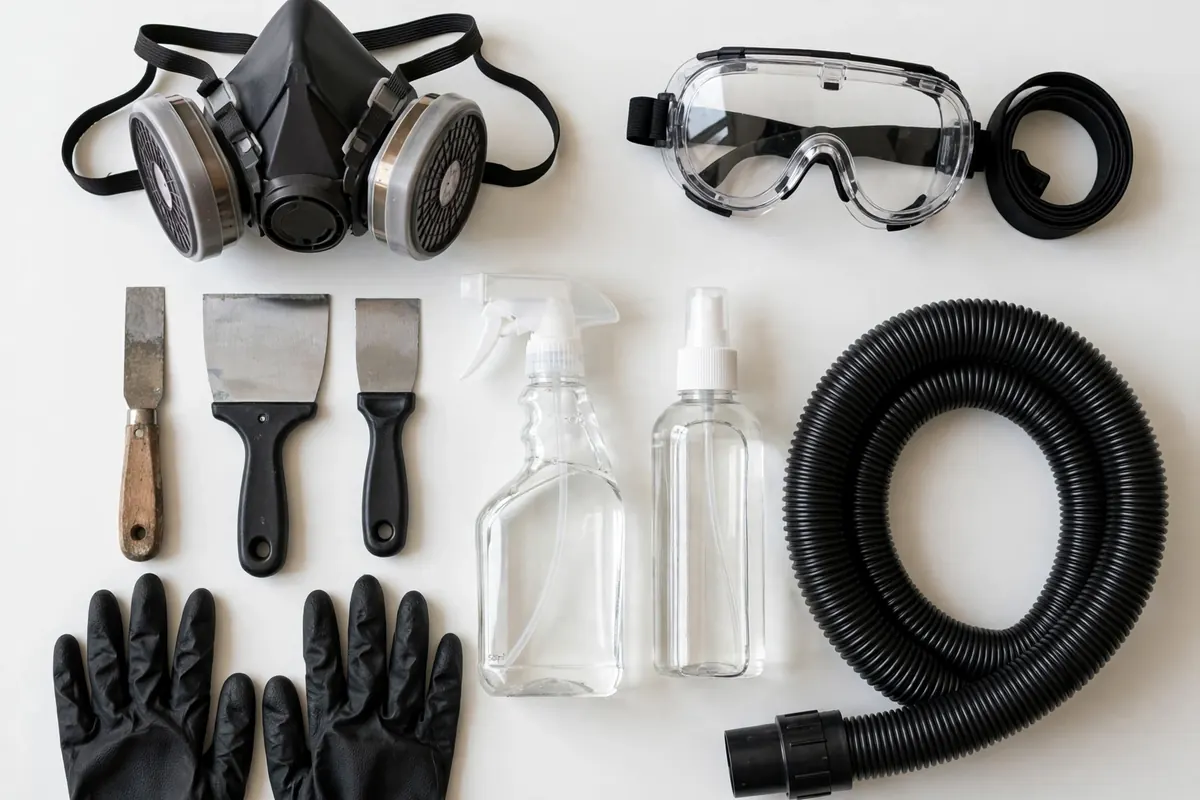
The most common basement misdiagnosis isn’t hidden mold — it’s efflorescence treated like mold. Efflorescence is mineral salt left behind when water moves through concrete or block and evaporates: white, powdery, crystalline, and harmless. Mold is organic: fuzzy or patchy, often green, brown, or black, and growing in damp spots. A drop of water dissolves efflorescence on contact; mold just gets wet. Knowing the difference keeps homeowners from scrubbing salts that were never the problem — and from missing the real growth beside them.
Readings across walls and slab expose the seepage path — cracks, cove joints, and porous block — before any material is opened.
Pump testing, pit inspection, and discharge-line tracing confirm the system moves water away from the house when it matters.
Wipe and water-drop checks separate harmless mineral salts from genuine fungal growth on masonry.
Staining, mineral lines, and water marks tell us whether entry is storm-driven, seasonal, or constant — and where it leads next.
A room-by-room call on what finished material must go and what can be cleaned, dried, and saved.
Sealed barriers and filtered airflow keep spores and dust from traveling upstairs while the basement is being worked.
Hydrostatic pressure pushes groundwater up through the floor-wall seam after storms. We trace the entry path, dry the area, and treat whatever grew because of it.
A dead pump, a stuck float, or a frozen discharge line can put water on the floor in a single storm. We handle the dry-out and check the whole discharge path.
Efflorescence is common and harmless; mold isn't. We identify each patch so you only treat the real problem.
Drywall hides growth until the odor gives it away. We open only what's needed and decide what stays and what goes.
Basement work in Newark means older masonry, heavy summer storms, and in some areas a water table that sits close to the surface. That combination — porous foundations plus real hydrostatic pressure — is why seepage, sump failures, and finished-wall growth keep local crews busy. We read each basement for how water moves through it, not just where the growth shows up.
Older brick and block foundations near the Passaic River deal with a high water table — seepage through porous masonry is the classic call here.
Low-lying streets take on water fast in heavy storms, and basement flooding follows. A quick dry-out after a flood stops growth before it starts.
Rowhouses and small commercial buildings with aging foundations and older sump setups — nearly every block has its own water story.
In parts of the city groundwater sits close to the surface, so hydrostatic pressure works on foundation walls all year, not just in storms.
Short, violent downpours overwhelm gutters and grading, sending water straight to the foundation and into window wells.
Drywall and carpet hid months of seepage-driven growth; the room smelled musty but looked fine.
Only the affected wall sections were removed, framing was cleaned and treated, and mold-resistant wallboard is ready to go back.
Maintenance: Keep the dehumidifier running and check behind access panels after heavy rain.
A dead pump during a storm left standing water across the slab, with soaked storage and wicking drywall.
Water extracted, wet materials dried or removed, and the pump tested with the discharge line cleared.
Maintenance: Test the pump each spring and consider battery backup if outages are common.
White crystalline blooms across the block walls had the homeowner ready to tear out a finished wall.
The blooms were identified as mineral salts, not growth — only the small patch at the cove joint was treated.
Maintenance: Wipe new blooms and watch for dampness behind them; salts mean water is moving through the wall.
Basement trouble is almost always water trouble wearing a disguise. Here is what we take off homeowners’ plates.
Cleaning growth without stopping water entry guarantees a sequel. We find the entry path and pair cleanup with moisture control.
A failed pump turns one storm into standing water. We handle the dry-out and verify the pump and discharge line actually work.
Nobody wants to gut a rec room on a guess. We scope tear-out room by room so only what's truly affected comes out.
Basements don’t behave like the rest of the house, so the playbook changes: read the water first, then clear the growth.
Basements are often cooler and more humid, creating ideal conditions for toxic mold growth. These areas frequently experience water damage, making them vulnerable.
A musty odor can indicate hidden mold growth or moisture issues. Even without visible mold, it's essential to investigate and address the source of the odor.
Yes, mold can grow on unfinished concrete walls if moisture is present. Proper sealing and moisture control are crucial to prevent this.
High humidity levels can lead to condensation, creating a damp environment where mold can thrive. Regular dehumidification is essential for prevention.
Not seeing your question? Our local team can help you understand urgency, scheduling and what to expect.
Ask the local team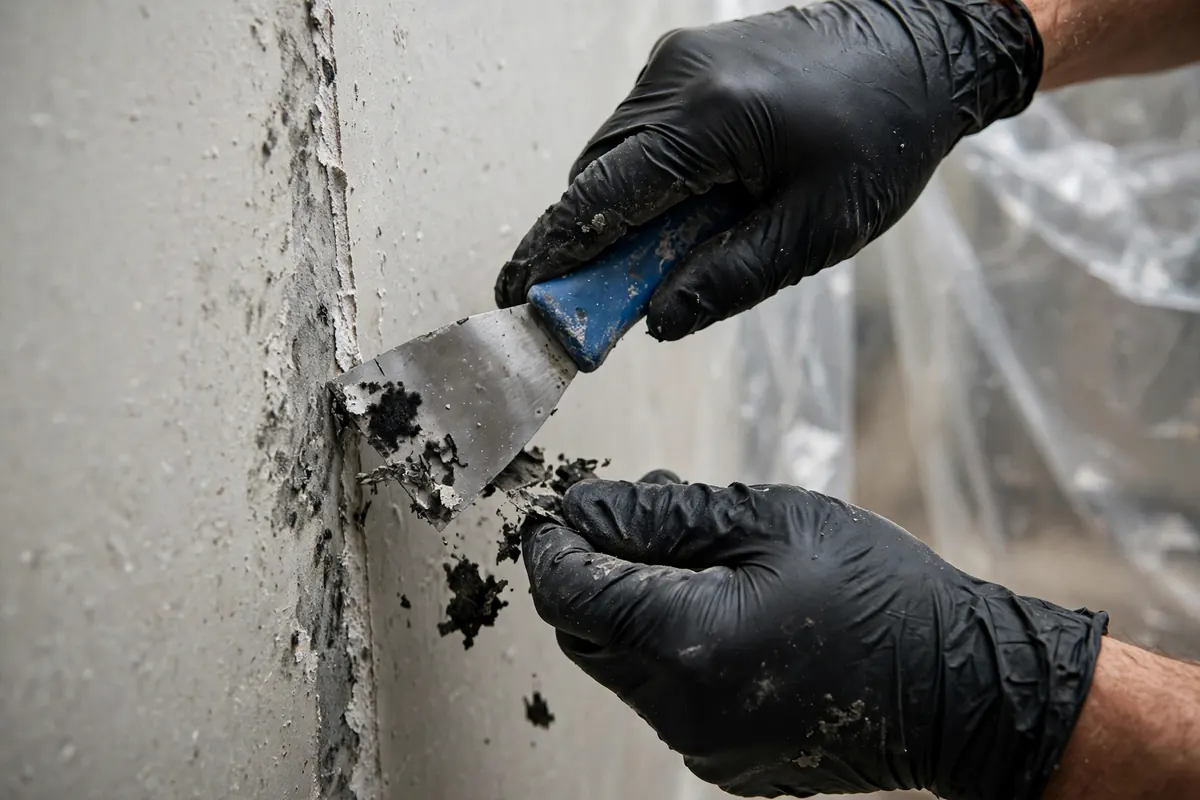
Black mold removal is critical for health safety. Our expert team specializes in detecting and eliminating harmful black mold in your basement.
View service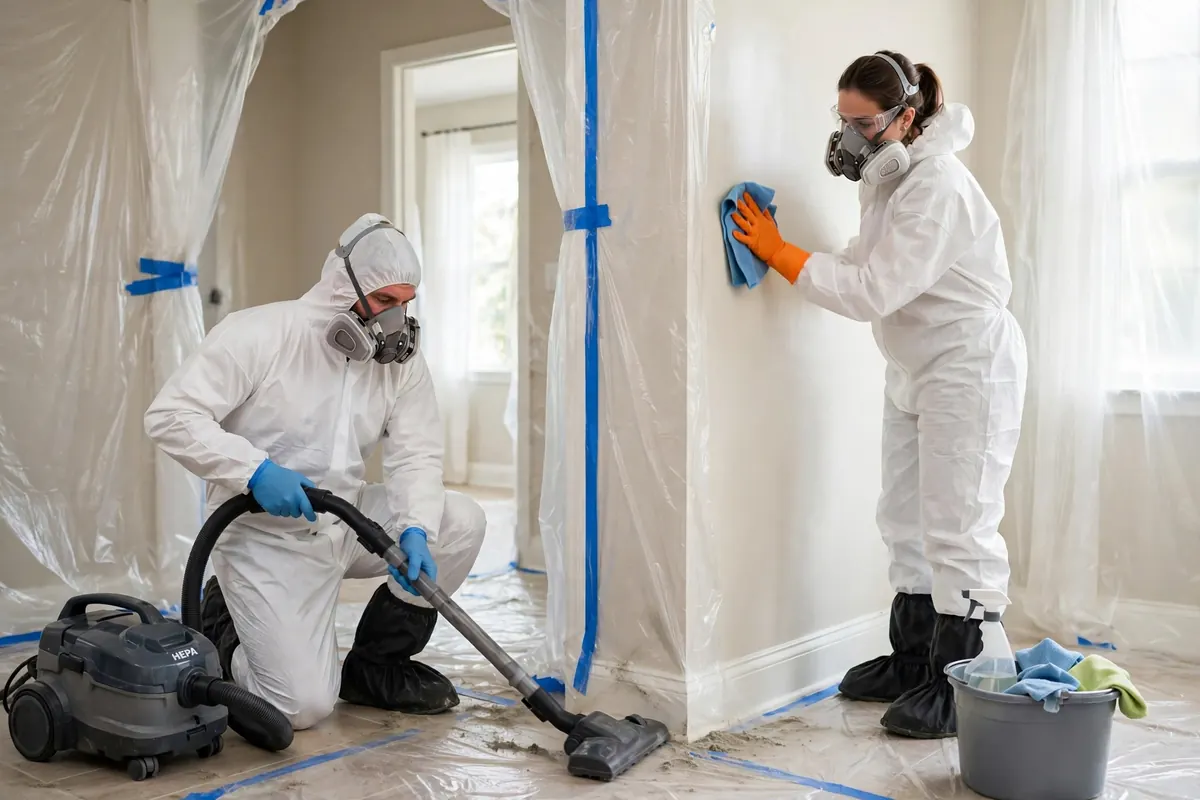
Mold inspection and testing help identify mold presence and types. This service is essential before any remediation efforts.
View service
Air quality testing assesses the safety of your indoor environment. It's important for ensuring that mold spores aren't affecting your health.
View service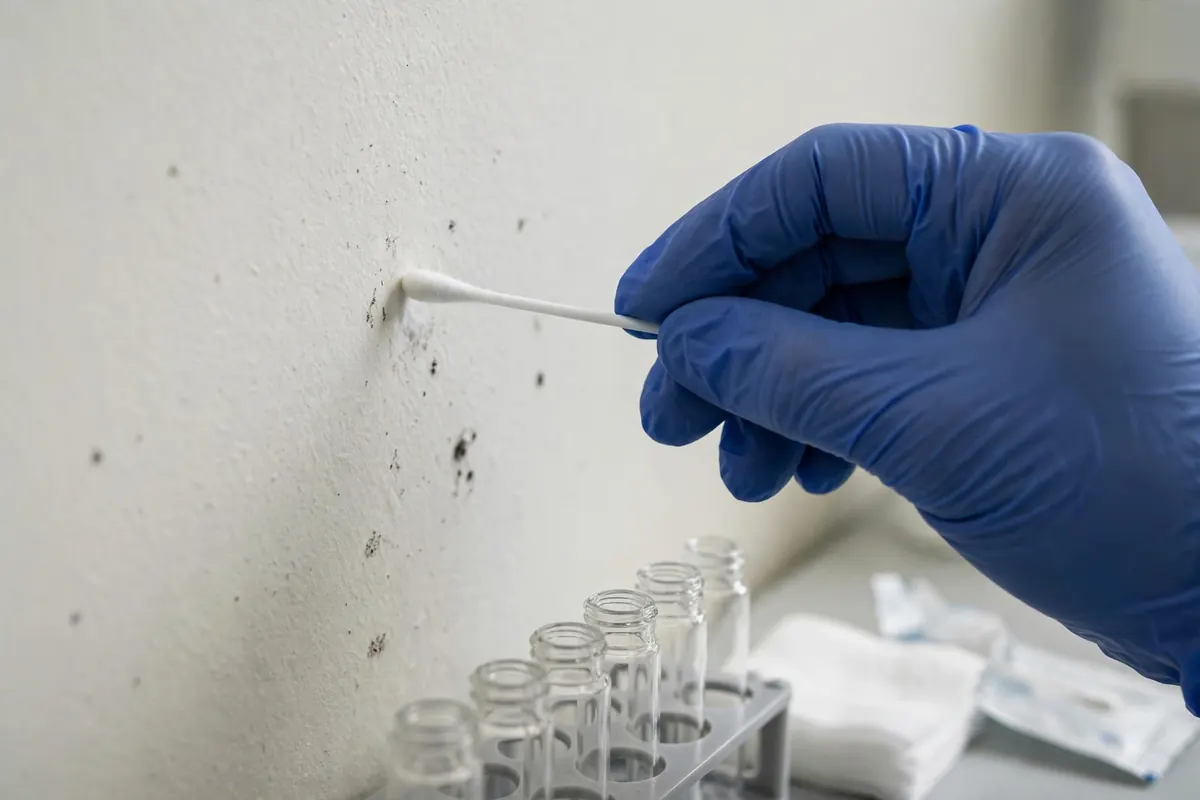
Mold clearance testing confirms that your basement is mold-free after remediation. This step is vital for peace of mind.
View serviceWe bring this service to homes and businesses across Newark and the surrounding communities.
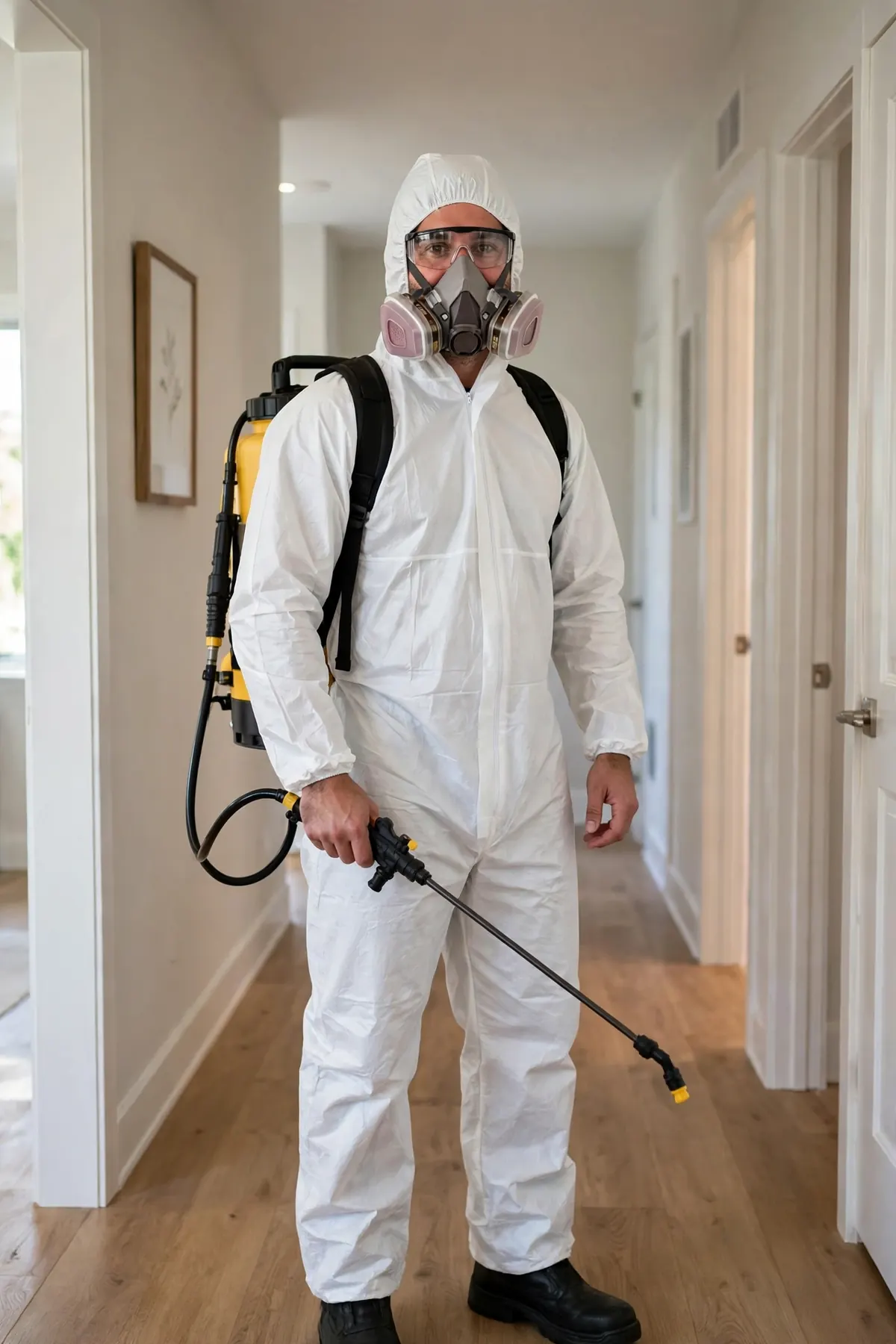
Seeing water along the foundation, white blooms you can’t identify, or a finished basement that smells musty? Tell us what’s happening below grade and we’ll lay out a clear next step — inspection, scope, and honest options before any work starts.
Small spots turn into big jobs fast in New Jersey humidity. Call now and we'll schedule your inspection.
Call (973) 400-5618