Independent from the cleanup crew
We didn't do the remediation, so our results don't grade our own homework.
Last updated: October 4, 2026
Remediation isn't finished until someone independent verifies it.Clearance testing is the finish line of a mold job: an independent visual inspection, moisture verification, and lab-analyzed air and surface samples that prove the work actually worked — documented in a report you can hand to a buyer, a tenant, or an insurer.
We didn't do the remediation, so our results don't grade our own homework.
You know the thresholds before we sample — no moving goalposts after.
Samples go to an independent lab, not our best guess.
Plain-language documentation that holds up in real estate transactions.
A real clearance is three verifications, not one:
No visible growth, no dust and debris from the work area, containment removed cleanly. If it looks unfinished, it's unfinished.
Previously wet materials must meter dry. Remediation over still-damp surfaces fails — we confirm dryness first.
Spore-trap air samples compared against an outdoor baseline, plus surface samples where the work happened. Lab-analyzed, not eyeballed.
Pass or fail against stated criteria, with lab results attached. A document you can actually use.
Just finished remediation — yours or someone else’s? Get verification from a party with no stake in the result.
Anyone can say a mold job is done. A clearance test proves it — with independent samples, lab numbers, and criteria stated before testing begins.
This matters most in three situations: after your own remediation, when you need to know the money worked; in real estate, where buyers and lenders want documentation rather than assurances; and after someone else’s remediation, when you want an unbiased second opinion. In every case, the tester’s independence is the entire value — a clearance from the same company that did the cleanup is a receipt, not a verification.
We agree in writing what gets tested and what constitutes a pass — before anyone opens a cassette.
The work area must look complete and meter dry. Sampling a visibly unfinished job wastes your lab fees.
Air cassettes inside the work area and outdoors for baseline, plus surface samples at the remediation boundary.
Samples go to an accredited lab. We don't interpret raw counts in-house — the lab reports, we compare.
Pass or fail against the pre-stated criteria, with lab data attached and next steps spelled out if anything fails.
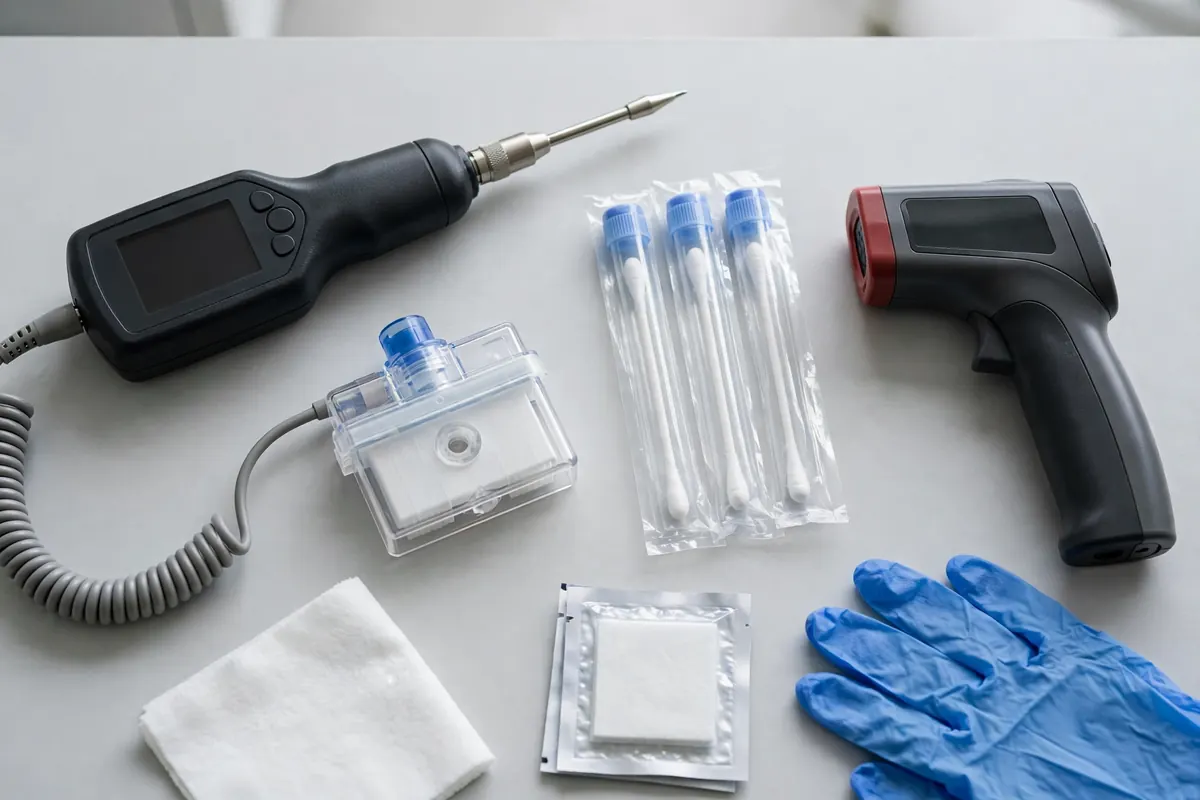
Calibrated air draws onto spore-trap cassettes — indoor samples paired with an outdoor control taken the same day.
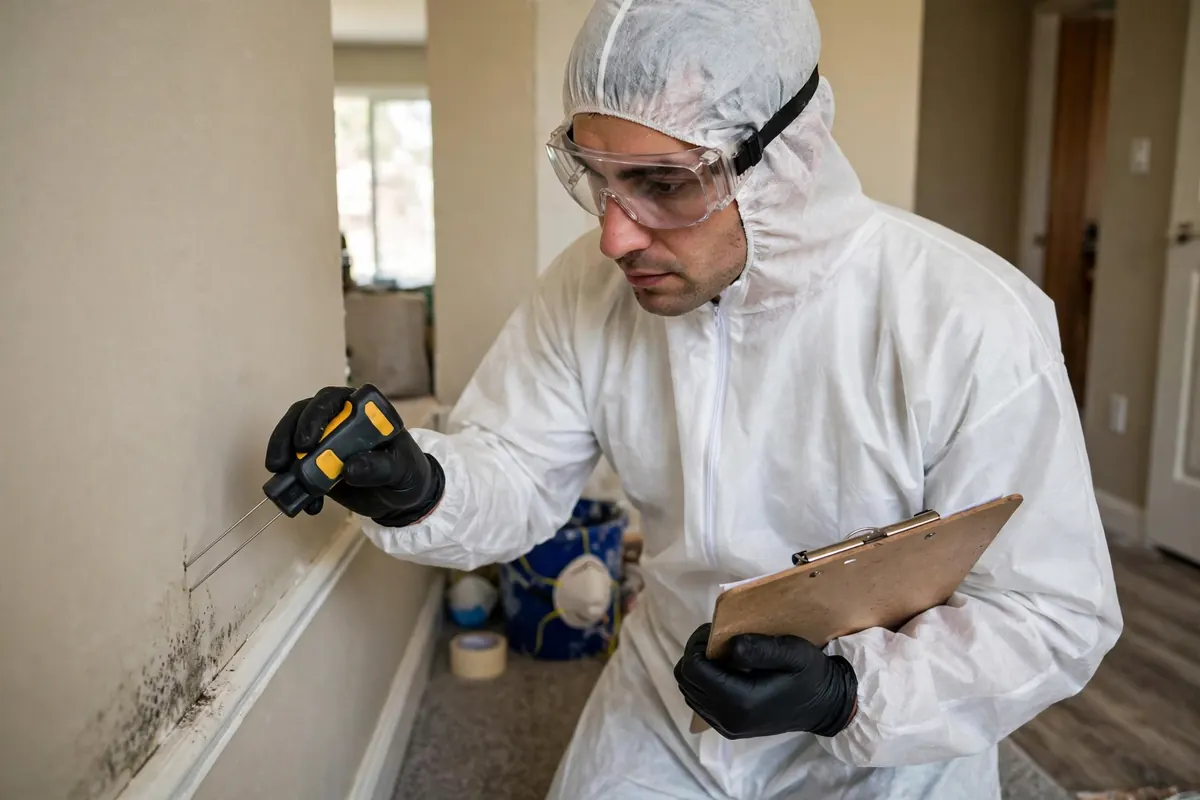
Pin and pinless readings confirm previously wet materials are actually dry, not just surface-dry.
Lets us visually verify inside wall cavities and other closed spaces without opening them up.
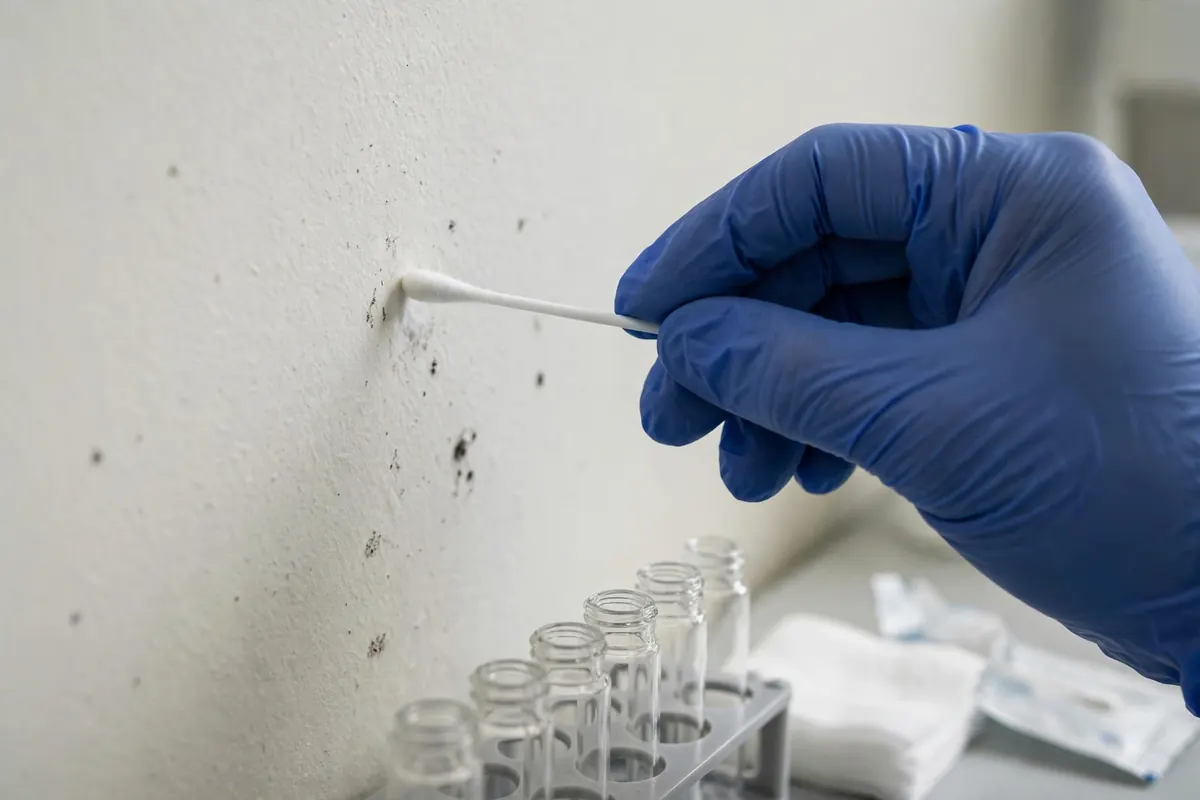
Tape lifts and swabs document what's on remediated surfaces where air samples can't reach.
Analysis happens off-site at an independent lab — the separation is the point.
Every inspection point photographed, so the report shows its work.
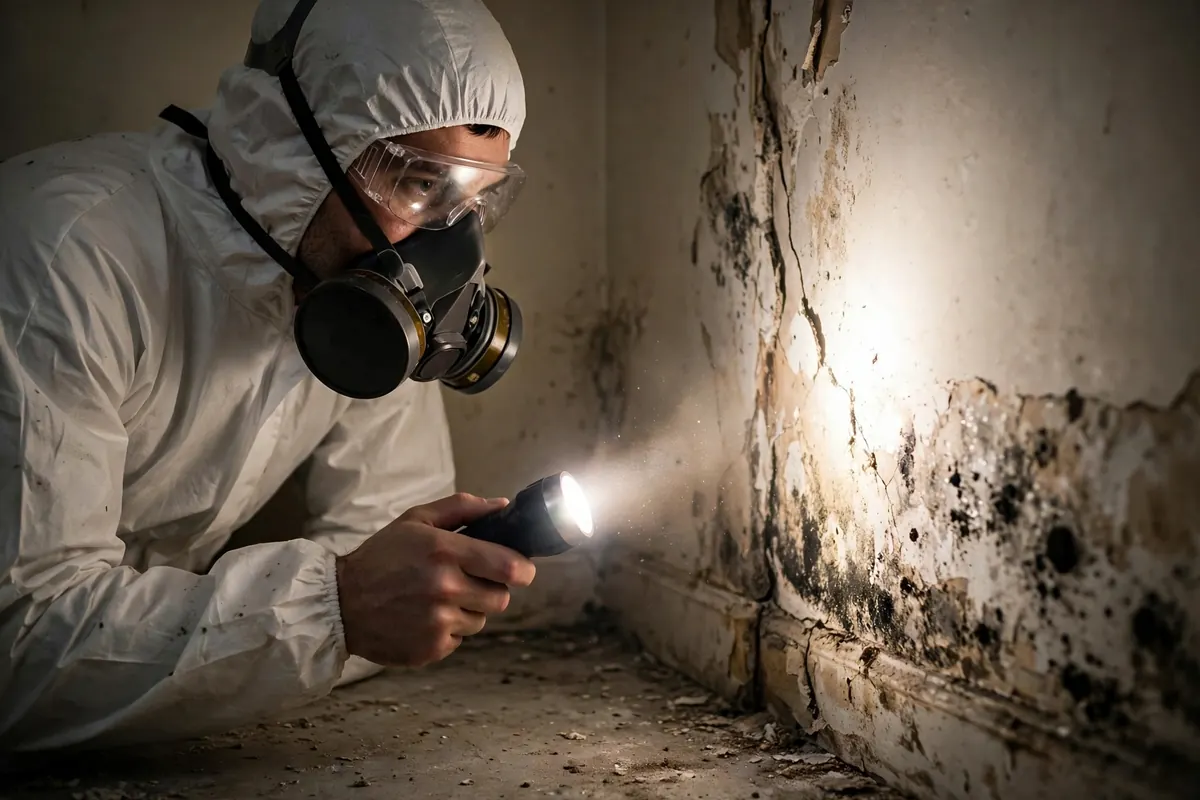
The cleanup company says it's done. An independent test is how you know — especially before final payment.
A past remediation without paperwork is a story, not a fact. Clearance documentation turns it into a fact.
Landlords and employers need defensible documentation, not reassurance. Lab-backed results end disputes.
Newark’s mix of pre-war walk-ups, converted industrial buildings, and post-war single-family homes means clearance criteria meet very different realities — but the standard doesn't bend by neighborhood.
Older multi-family buildings where remediation often spans shared walls — clearance has to verify the whole affected zone, not just one unit.
Large single-family homes with finished basements; post-remediation verification focuses on below-grade spaces that stay humid.
Aging housing stock where we frequently test after someone else’s remediation — independence matters most here.
Year-round humidity narrows the margin: materials must meter truly dry, because ambient moisture gives mold every excuse to return.
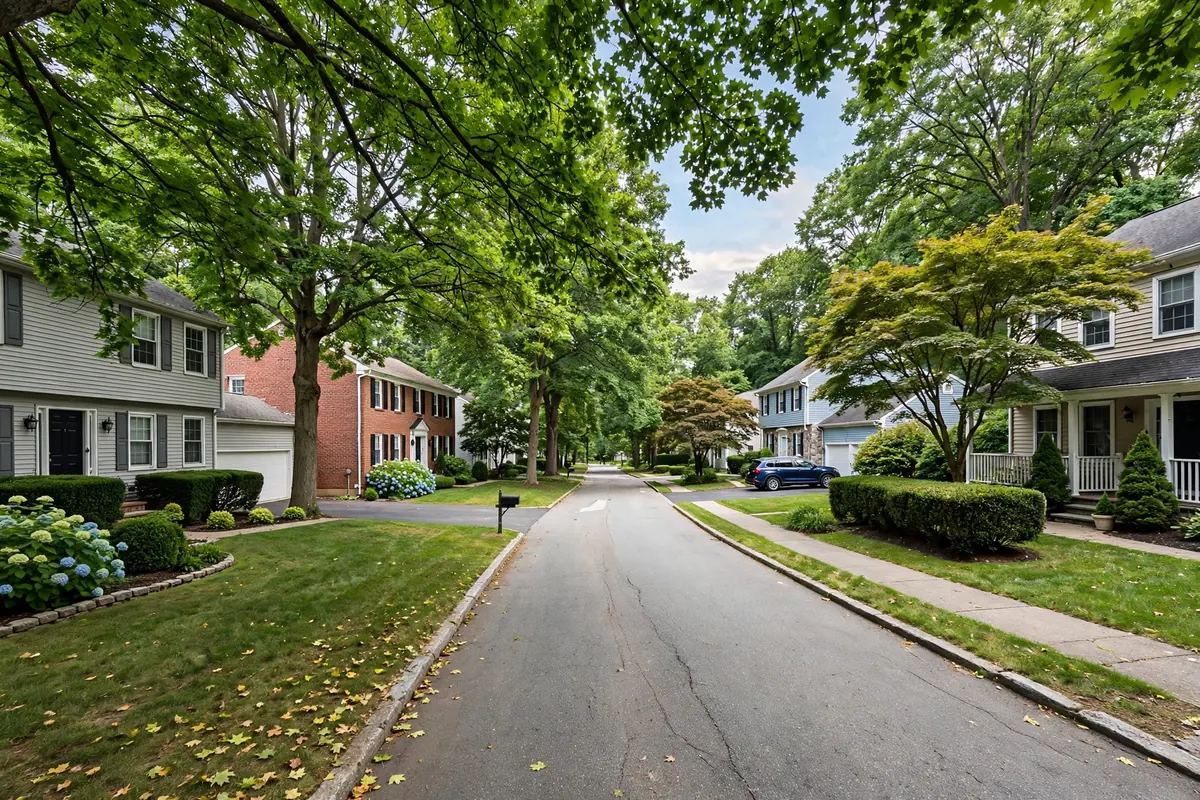
A buyer loved the house but balked at the disclosed past mold remediation with no paperwork.
Independent clearance with lab results turned a red flag into a checked box — the sale proceeded.
Maintenance: Keep the report with the property records; the next buyer will ask too.
A landlord paid for a full-unit remediation and had only the contractor’s word it worked.
Clearance testing confirmed dry materials and clean air samples — the landlord released final payment with confidence.
Maintenance: Schedule periodic moisture checks in the previously affected area.
Tenant said mold remained; contractor said the job was done. Nobody had data.
Independent sampling settled it: one area failed on moisture and was re-treated, then passed. Both sides accepted the lab’s word.
Maintenance: Document any future water events promptly — history matters.
Skipping clearance doesn't save money — it moves the risk.
Without verification, failed remediation surfaces months later as a second full-price job.
Buyers walk from undocumented mold history. A clearance report is cheaper than a lost sale.
Tenant, landlord, contractor — without lab data, it's word against word. Testing ends the argument.
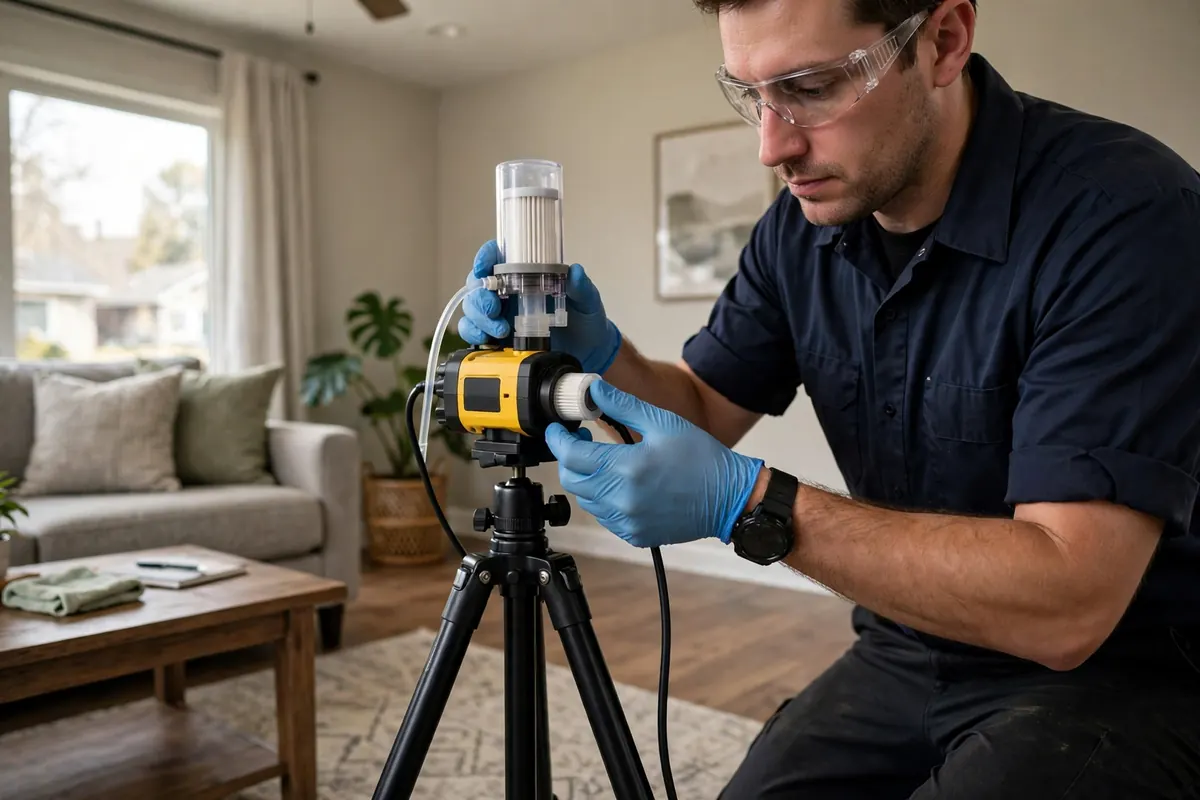
Testing someone else’s work takes skepticism and procedure — not salesmanship.
A post remediation verification mold clearance test confirms that mold remediation efforts were successful and that mold levels are safe for occupancy.
A mold clearance certificate is vital for real estate transactions as it assures buyers that the property is free from mold, protecting their investment.
To pass a clearance test, mold levels must be below established thresholds, and the property must show no signs of active mold growth.
Final mold clearance testing should be performed by a certified professional to ensure unbiased results and compliance with health standards.
Not seeing your question? Our local team can help you understand urgency, scheduling and what to expect.
Ask the local team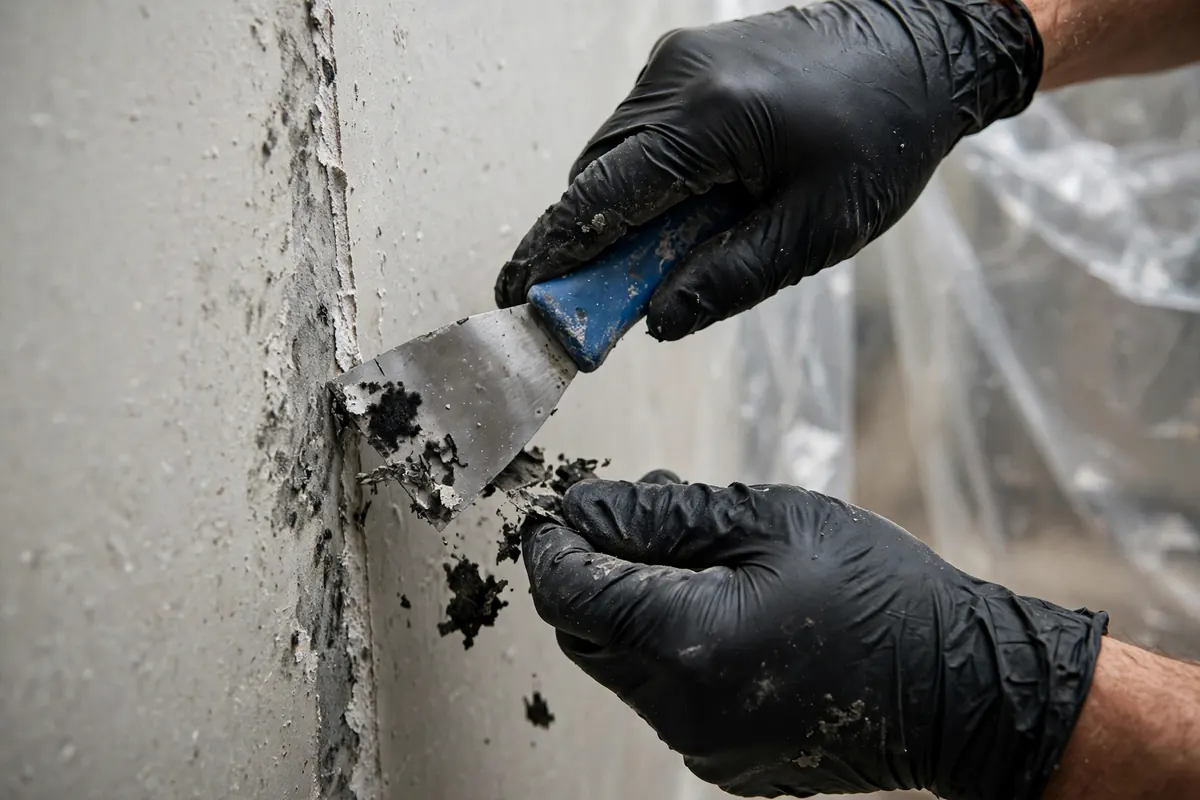
Our black mold removal service effectively tackles severe mold infestations, ensuring your home is safe and healthy.
View service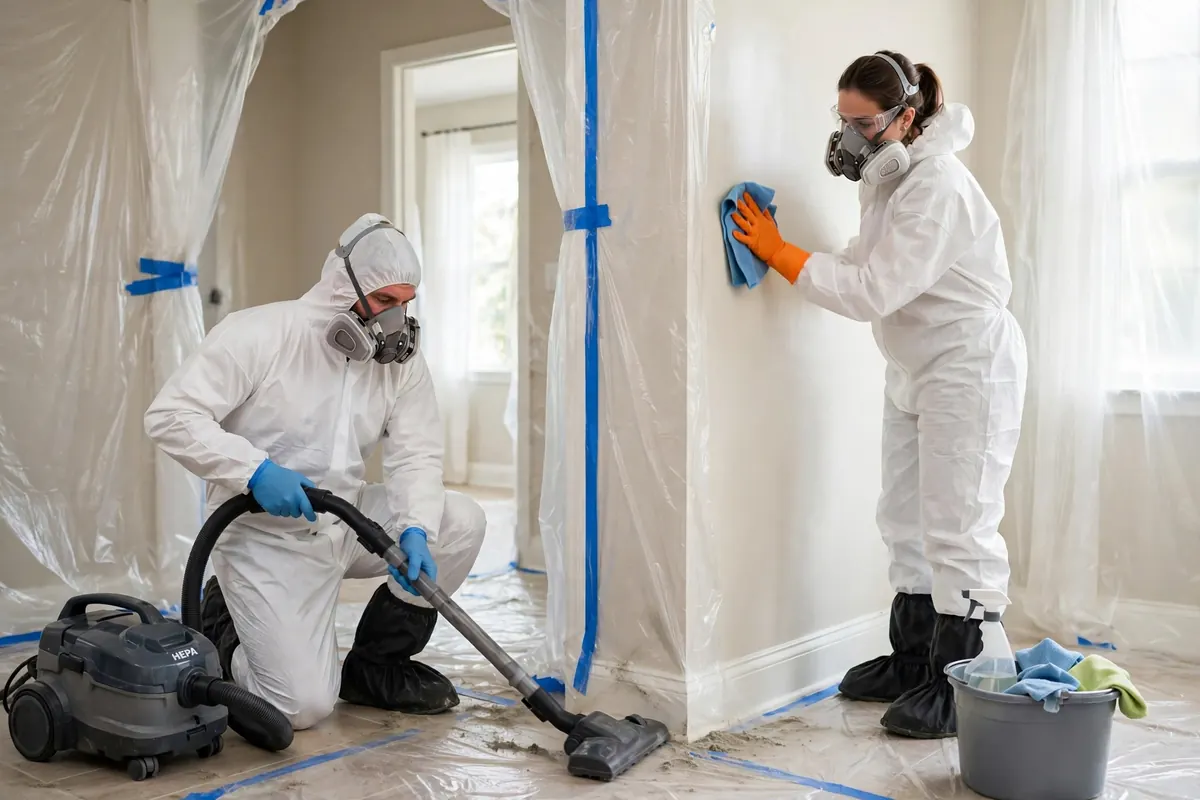
We provide thorough mold inspection and testing services to identify mold presence and assess air quality in your property.
View service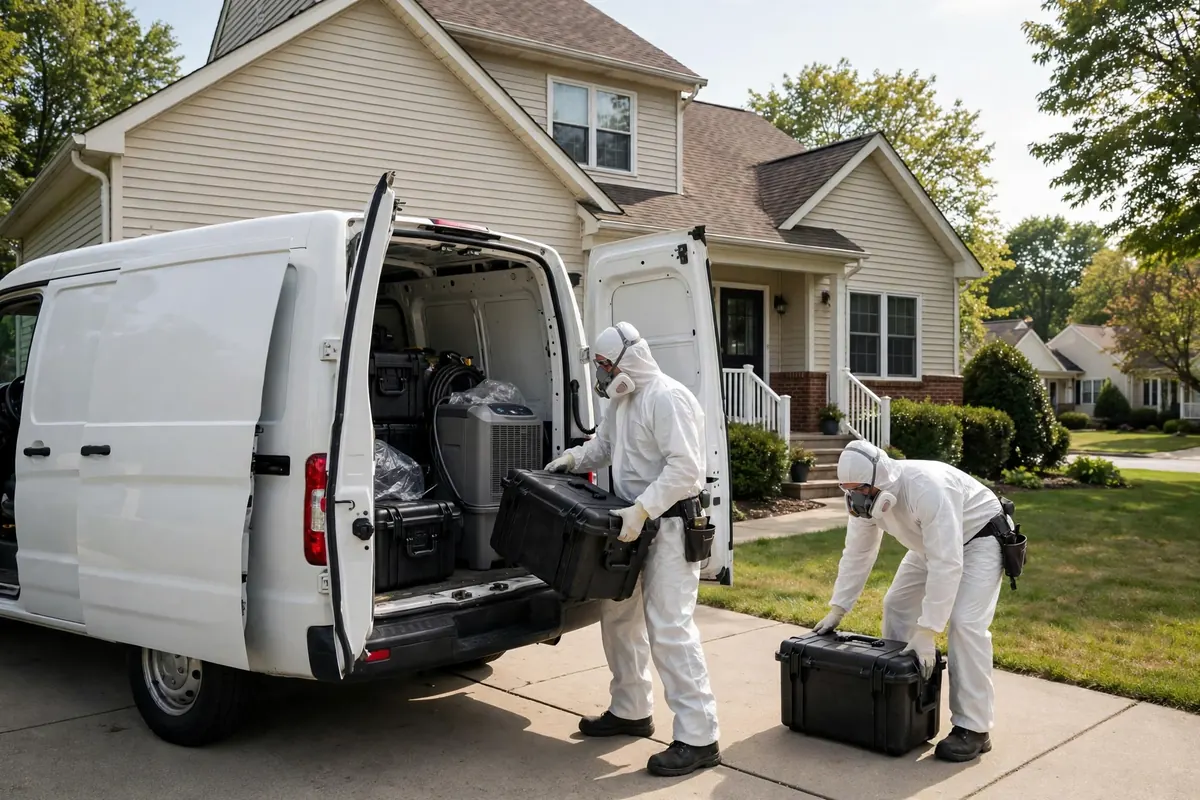
Our air quality testing services evaluate the presence of mold spores and other allergens, ensuring a healthy living environment.
View service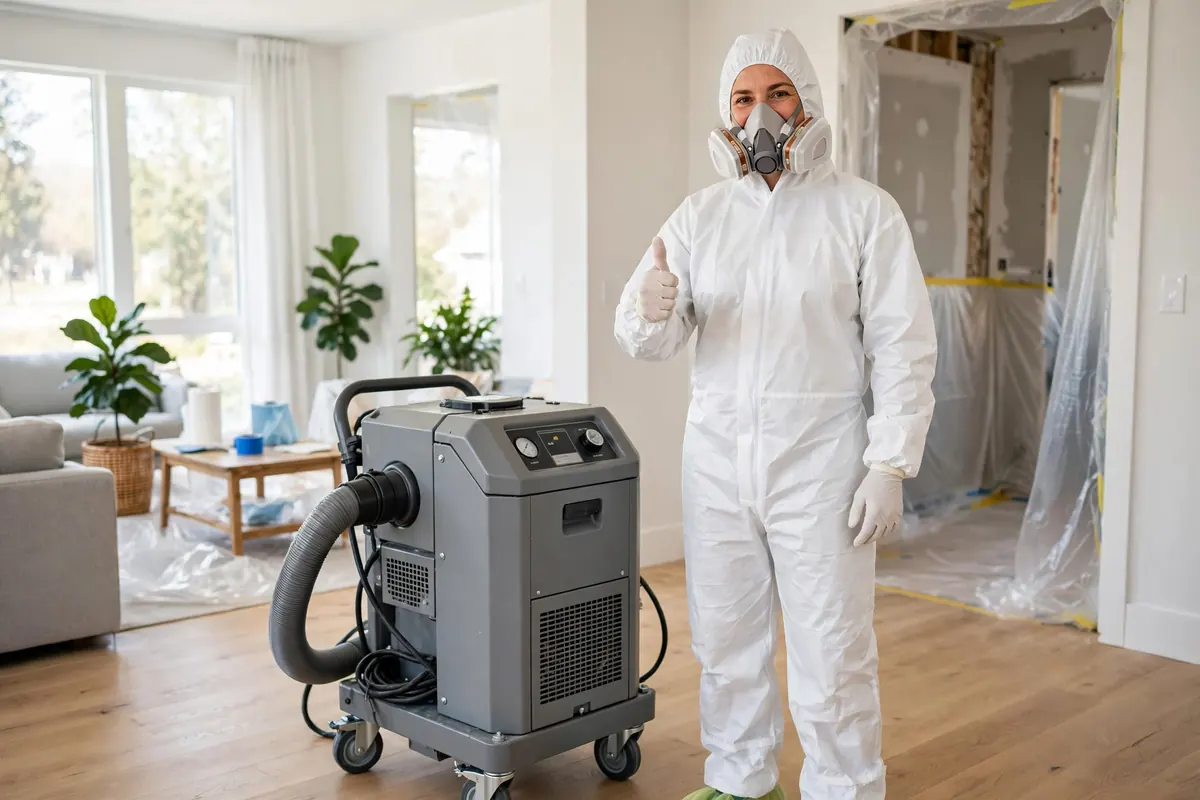
Our basement mold removal service targets moisture issues and prevents mold growth, protecting your property from damage.
View service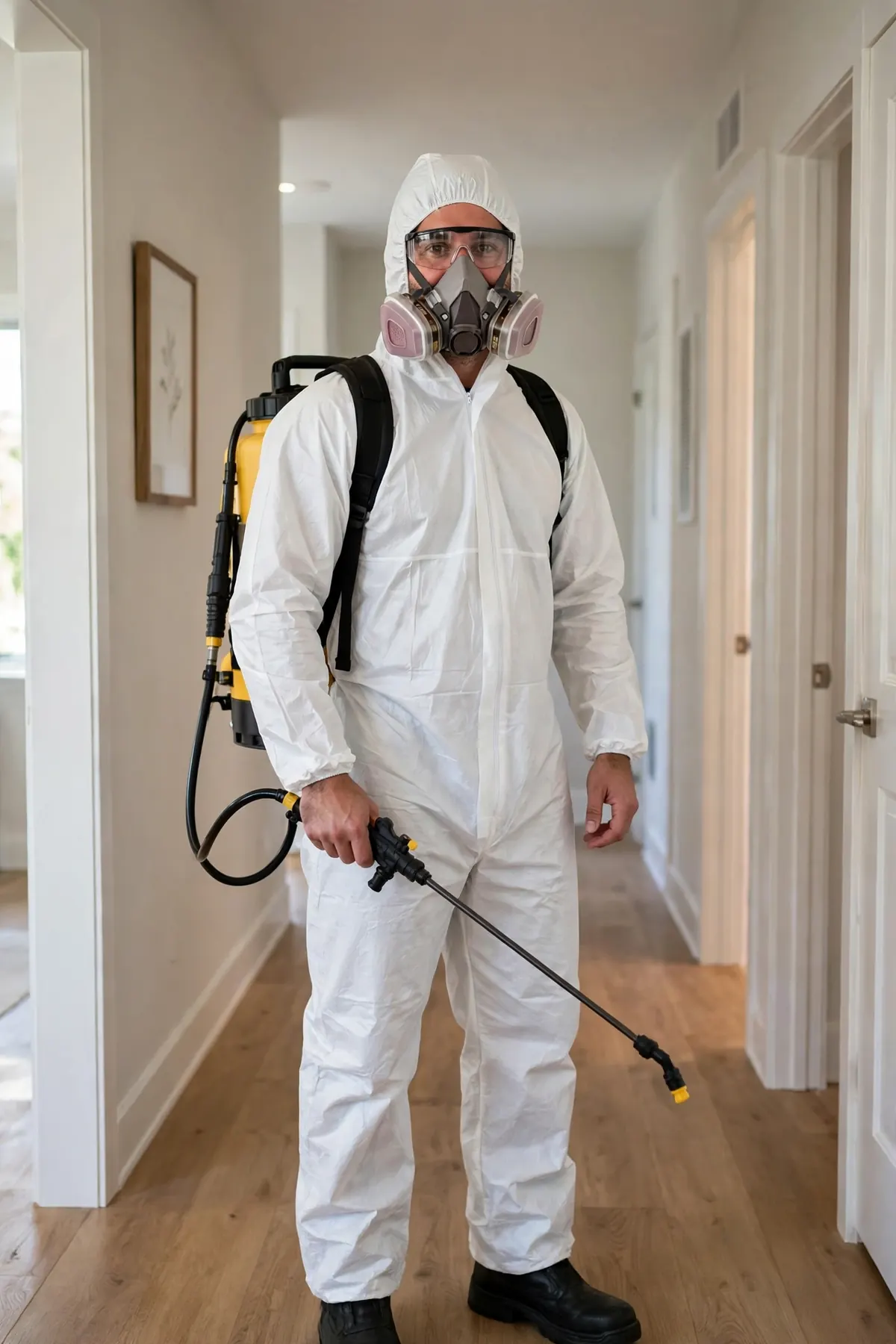
Need clearance after a remediation — ours or anyone’s? Reach out for scheduling and criteria details, Monday to Friday.
Small spots turn into big jobs fast in New Jersey humidity. Call now and we'll schedule your inspection.
Call (973) 400-5618