Fan and airflow checks
We verify the exhaust fan actually moves moist air out, not just the noise.

Last updated: October 4, 2026
Built for the room that never fully dries.Black lines along the grout, a caulk seam that never quite dries, a mirror fogged long after the shower ends — bathrooms collect moisture faster than most rooms can shed it. We find where that moisture is hiding — behind the tile, under the tub, inside a slow pipe leak — and clear out the mold that grew from it.
We verify the exhaust fan actually moves moist air out, not just the noise.
Stained grout and failing caulk are checked before anything is opened up.
Readings around showers and tubs catch growth you can't see.
In-wall plumbing leaks are found first, so mold can't return.
Bathroom mold rarely lives where you can see it. Our visit covers the fan, the grout lines, the caulk seams, and the moisture trapped behind the tile — then treats what we find and leaves a plan so it stays gone.
We test whether the fan actually clears humid air and confirm the vent routes outdoors instead of into an attic or wall cavity.
Stained grout is remediated and failing caulk removed; where sealants have failed, we lay out a regrout and recaulk plan.
Moisture readings around tubs and showers, plus tracing of slow plumbing leaks inside walls that feed hidden growth.
Mold inhibitors on treated areas, a full cleanup, and a simple drying routine for the weeks after the visit.
Tell us where the mold keeps returning and get a clear next step from the local team.
A bathroom can take in more water in a week than most rooms see in a year — steam from the shower, splashes at the tub, condensation on cool tile. When the exhaust fan is weak and moisture lingers in grout lines and wall cavities, mold gets everything it needs.
In Newark, older housing stock and humid summers make this worse: windowless bathrooms, fans vented into attics, and aging supply lines behind tub surrounds. We handle the full chain — find the moisture, remove the mold, and fix the conditions that let it start.
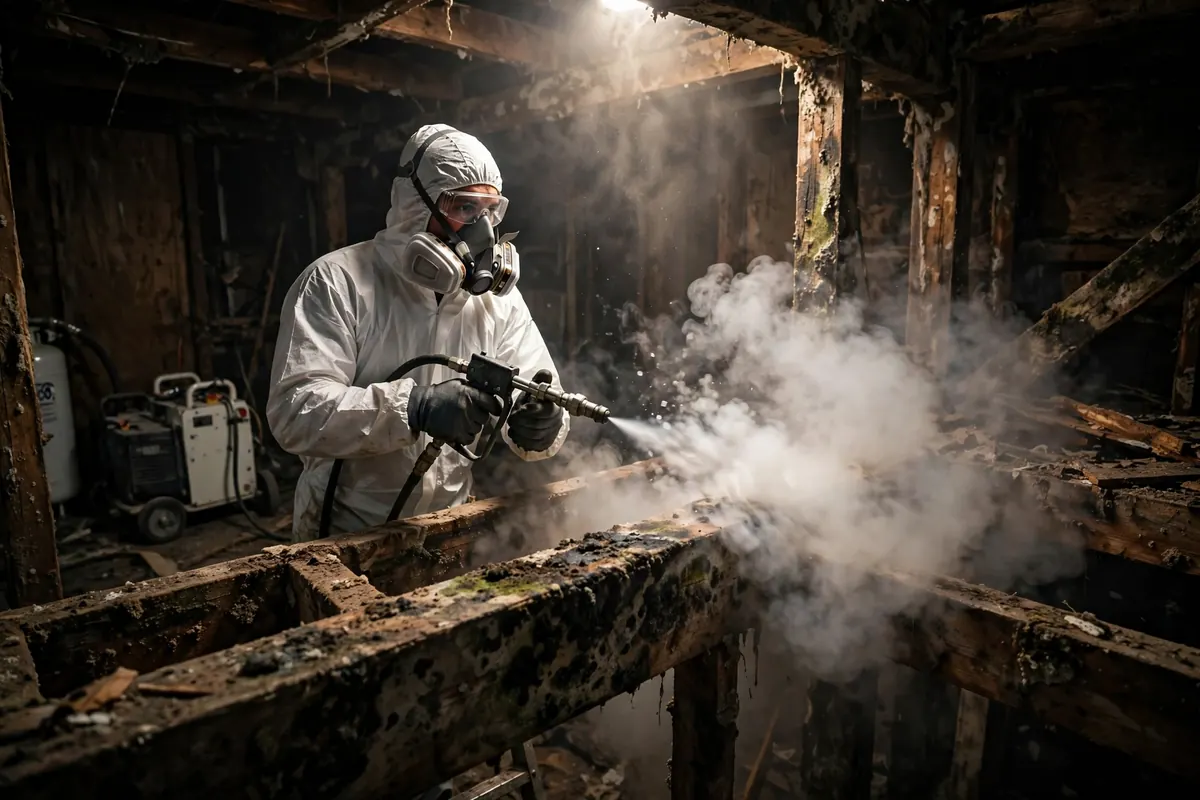
We test the fan's draw and confirm where the vent leads. A fan that hums but moves no air is the most common reason bathroom mold returns.
Readings across grout lines, caulk seams, and the wall around the tub or shower locate trapped moisture and hidden growth.
The bathroom is contained, then mold is removed from tile, grout, drywall, and failed caulk using methods sized for a small wet room.
Slow in-wall leaks are traced to their source, and we lay out regrout or recaulk work where sealants have failed.
Mold inhibitors go on treated areas, everything is dried and cleaned, and we walk through fan use and upkeep with you.
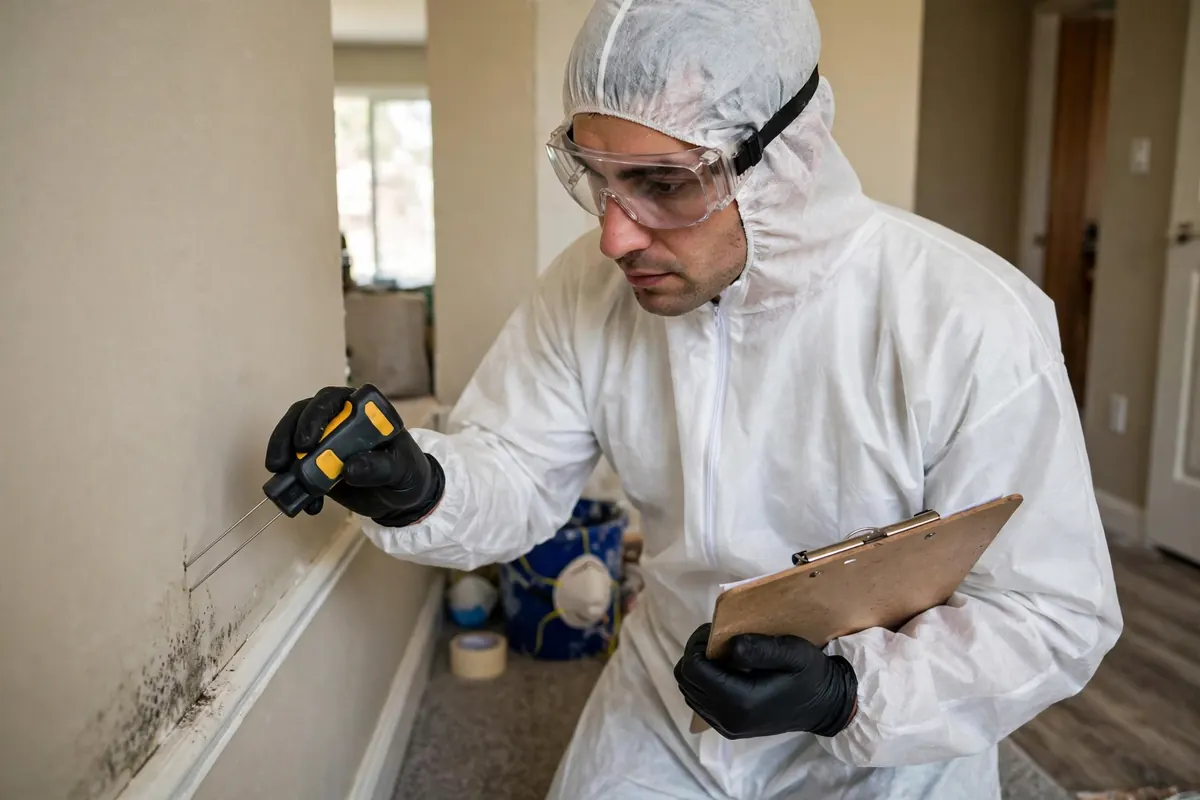
A simple draw test shows whether the exhaust fan moves humid air or only makes noise — and whether the duct actually reaches outside.
Measurements on grout lines, drywall, and behind-tile areas map where moisture is trapped without opening walls.
We decide what can be remediated in place and what needs regrouting or recaulking to keep water out for good.
Moisture gradients are followed back to slow supply-line or valve leaks hidden inside bathroom walls.
Bathrooms are tight spaces; barriers keep spores from drifting into the rest of the home during work.
Mold inhibitors suited to shower surrounds and tub enclosures are applied after remediation to slow regrowth.
Fan run times, squeegee habits, and a recheck cadence tailored to how the bathroom is actually used.
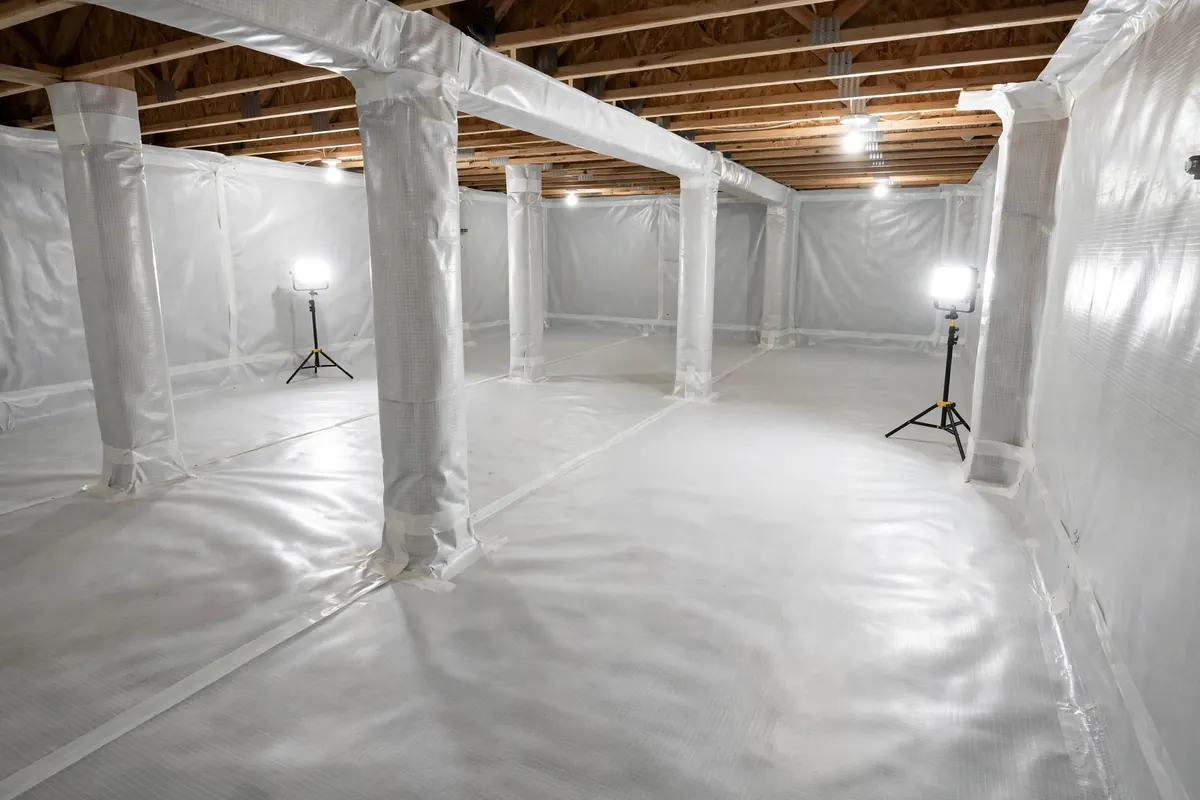
Staining that returns within weeks of cleaning usually means moisture behind the surface. We scan behind the tile and remediate at the source instead of bleaching the symptom.
A bathroom that stays foggy after a shower is feeding mold every day. We check fan draw, duct routing, and the growth the trapped steam caused.
Slow plumbing leaks inside walls grow mold out of sight. We trace the moisture to the leak, remove the growth, and dry the cavity.
Newark's older housing stock was built before modern bathroom ventilation was standard: windowless baths, weak fans, and decades-old supply lines behind tub surrounds. Add humid summers and winter condensation on cold tile, and bathrooms here hold moisture longer than they should. Our work is built around those realities — fan checks, behind-tile readings, and leak tracing in the kinds of walls Newark homes actually have.
Dense older buildings where windowless bathrooms and aging ventilation make damp air linger.
Older homes where original supply lines and worn caulk around tubs feed slow, hidden leaks.
Aging plumbing stock means wall-cavity moisture gets found here more often.
Warm, wet air condenses on cool tile and feeds grout-line growth all season.
Pinhole leaks and sweating pipes behind showers and tubs are a common starting point.
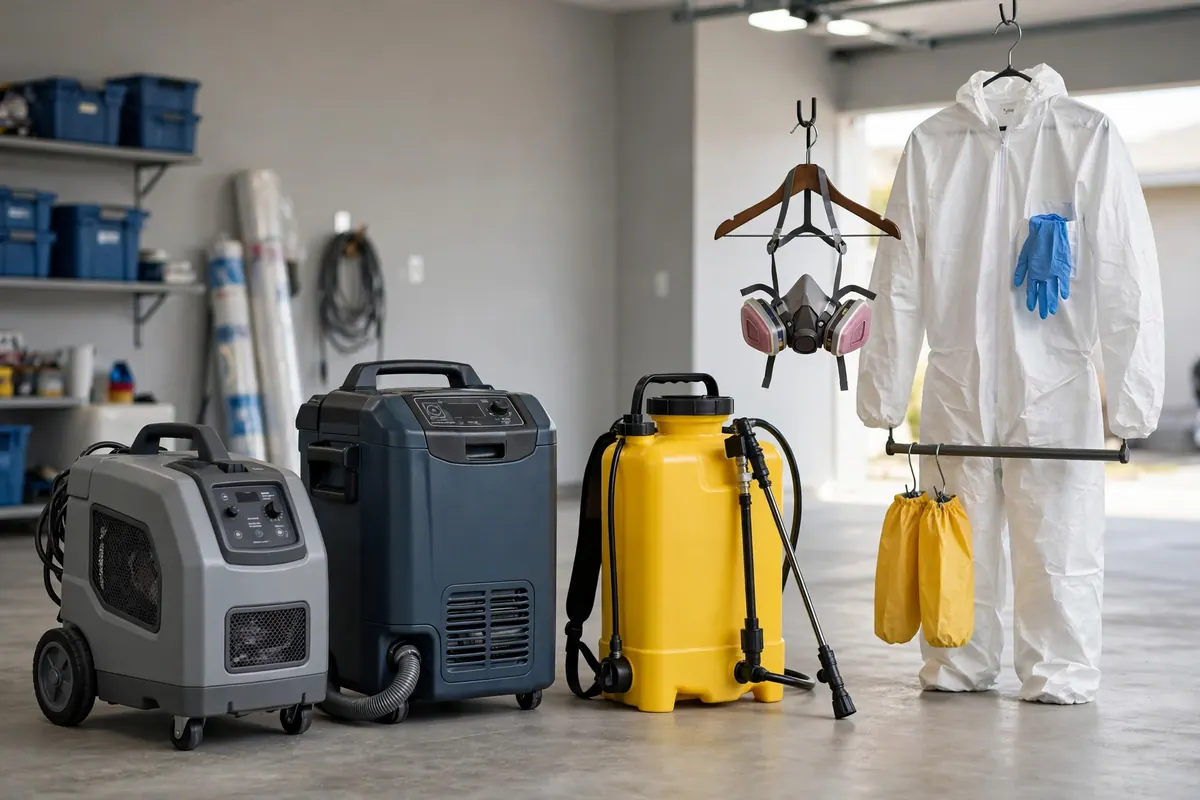
Black staining returned to the shower grout within weeks of every scrubbing, and the caulk at the tub edge had gone soft.
Moisture readings found water trapped behind the tile; the grout was remediated, failed caulk removed, and a regrout plan left with the homeowner.
Maintenance: Run the exhaust fan during showers and for a while after, and keep an eye on grout color.
The ceiling above the shower spotted with mold while the exhaust fan hummed away without moving any real air.
Fan airflow was tested, ceiling mold remediated, and the vent path checked so steam finally had somewhere to go.
Maintenance: Leave the fan running after every shower until the mirror clears.
A persistent musty smell with no visible mold — a slow supply-line leak had been feeding growth inside the wall behind the tub.
The leak was traced, the cavity dried, and the hidden mold removed before it could spread further.
Maintenance: Note any new musty odors early; wall-cavity mold is cheapest to fix when caught small.
Bathroom mold is stubborn because its causes are built into the room. These are the patterns we see most.
Scrubbing removes the color, not the moisture behind it. We find where water is getting in and remediate at the source.
Trapped steam and behind-tile moisture leave a smell that air fresheners can't fix. Fan checks and moisture mapping locate the cause.
Pinhole supply leaks and sweating pipes feed growth out of sight. We trace the leak first, so remediation lasts.
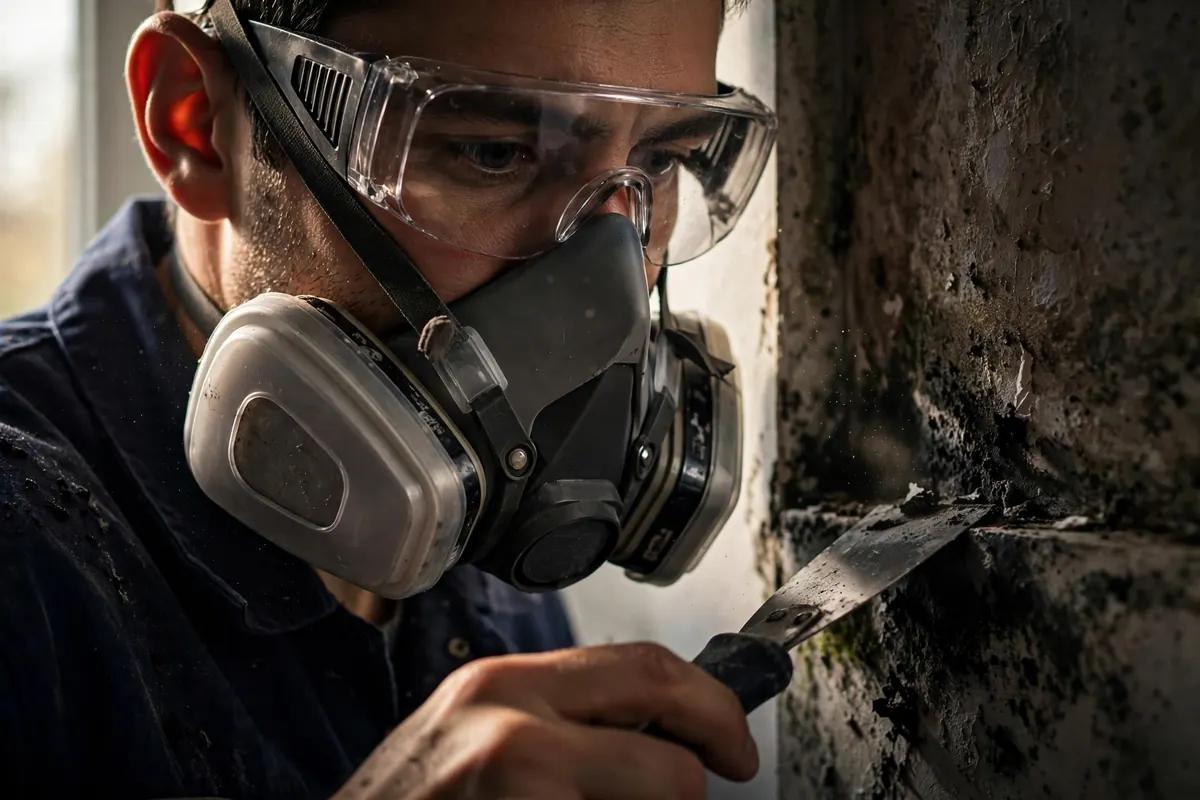
Bathrooms fail in specific ways — fans that don't move air, caulk that has given up, water trapped where tile meets wall. Our crew works those failure points every day across Newark.
Mold thrives in humid environments, making bathroom ceiling tiles and drywall prime locations for growth. Poor ventilation and moisture accumulation contribute significantly to this issue.
Yes, mold can develop behind shower tiles and within wall cavities due to trapped moisture. Regular inspections and timely remediation can prevent this hidden growth.
A broken or unvented exhaust fan prevents moisture from escaping, creating an ideal environment for mold growth. It's essential to maintain proper ventilation to combat this issue.
Surface mildew appears as a thin layer on surfaces and is easier to clean, while structural bathroom mold penetrates materials and requires professional remediation to eliminate.
Not seeing your question? Our local team can help you understand urgency, scheduling and what to expect.
Ask the local team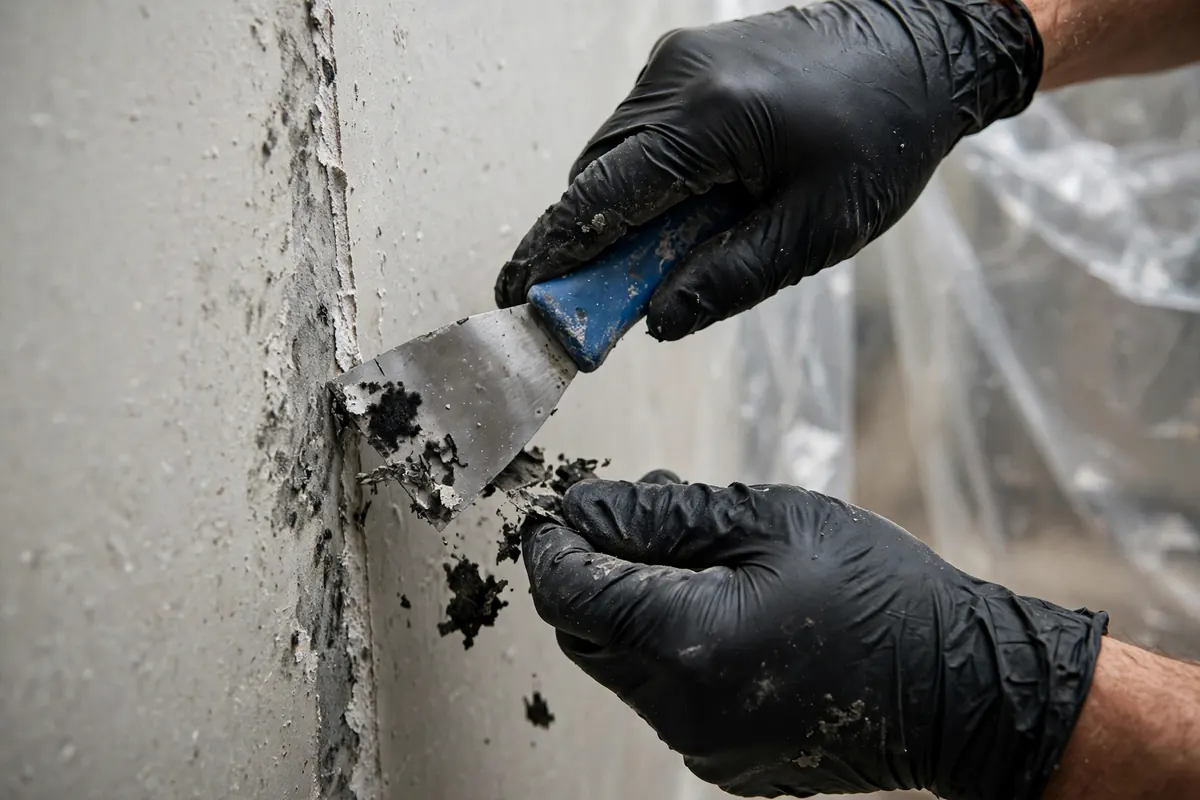
Black mold poses serious health risks. Our Black Mold Removal services ensure safe and effective elimination from your home.
View service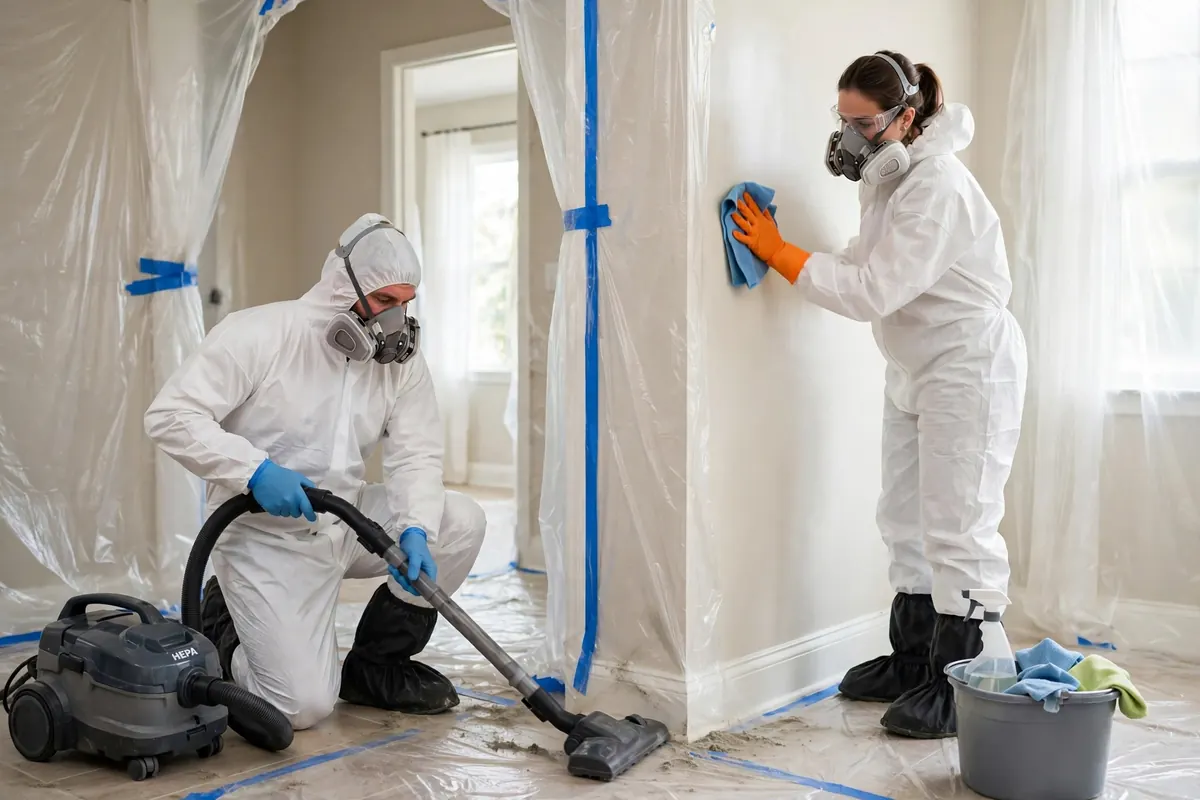
Before removal, we conduct thorough Mold Inspection & Testing to identify the type and extent of mold, ensuring targeted treatment.
View service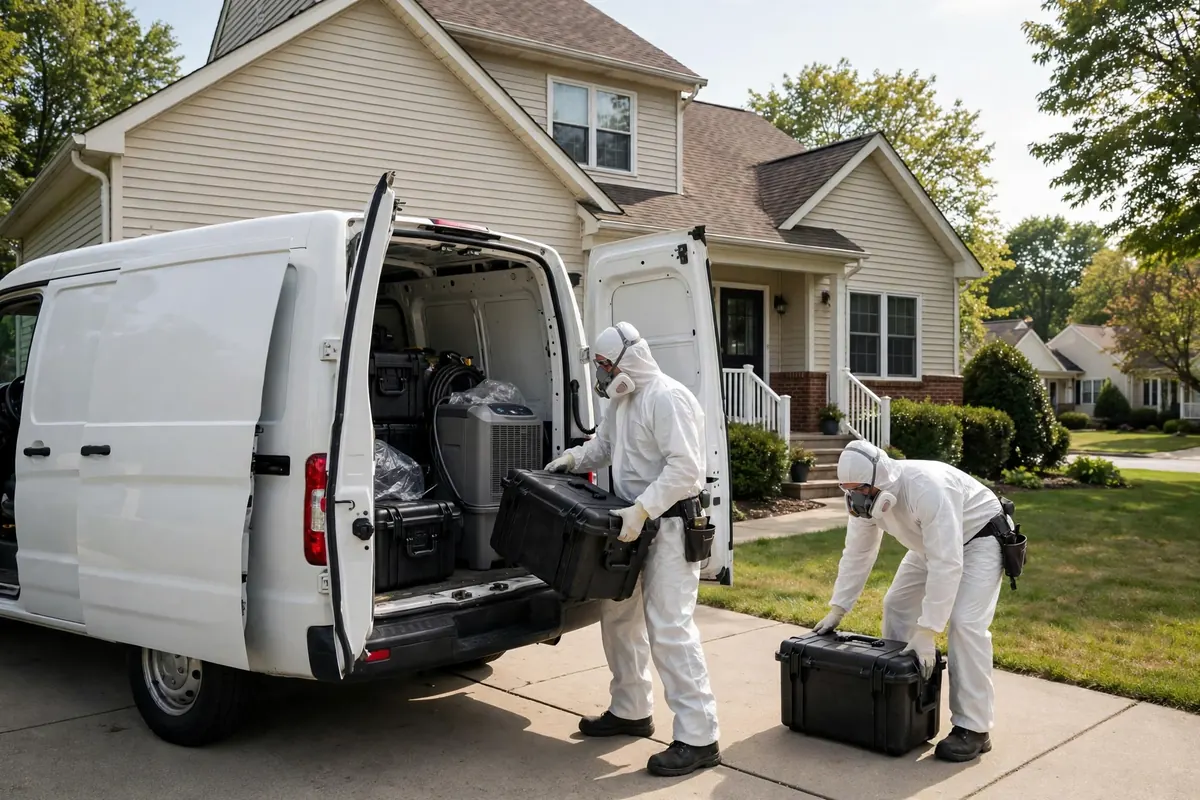
Our Air Quality Testing services assess the impact of mold on your home's air, helping you understand potential health risks.
View service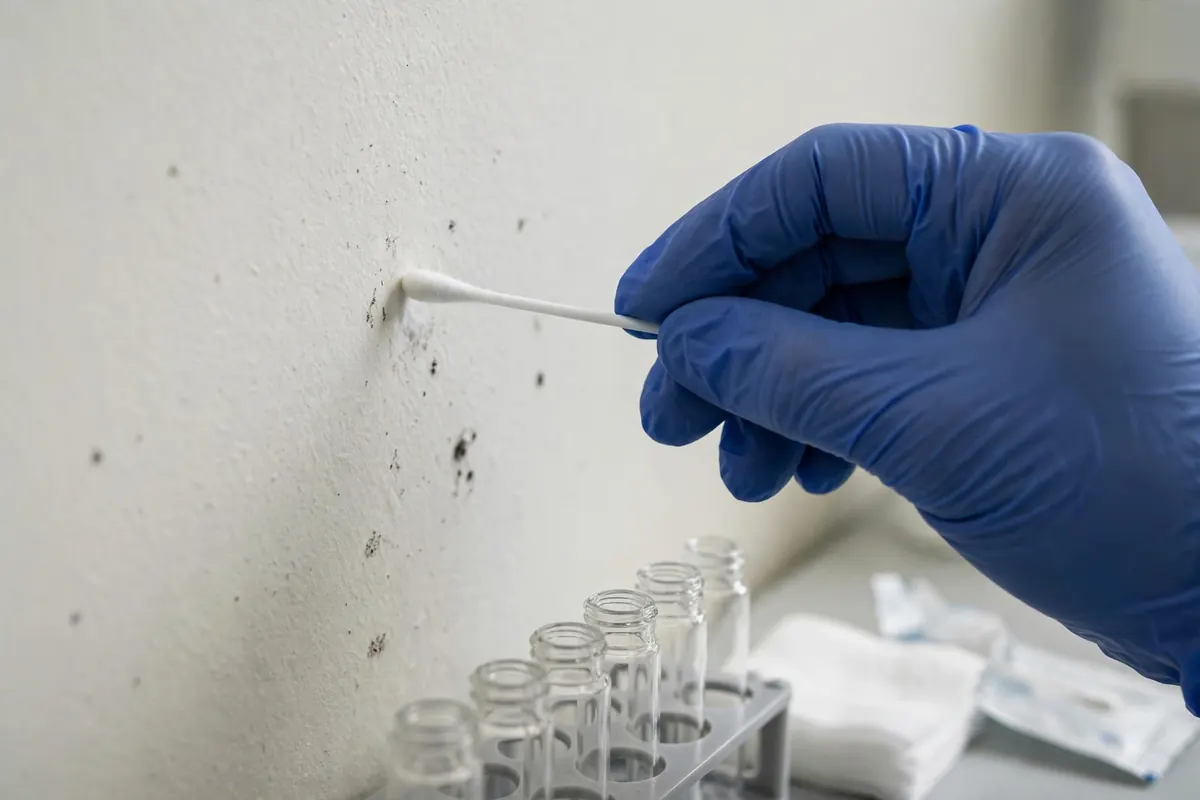
After remediation, we perform Mold Clearance Testing to confirm that all mold has been effectively removed and your home is safe.
View serviceWe bring this service to homes and businesses across Newark and the surrounding communities.
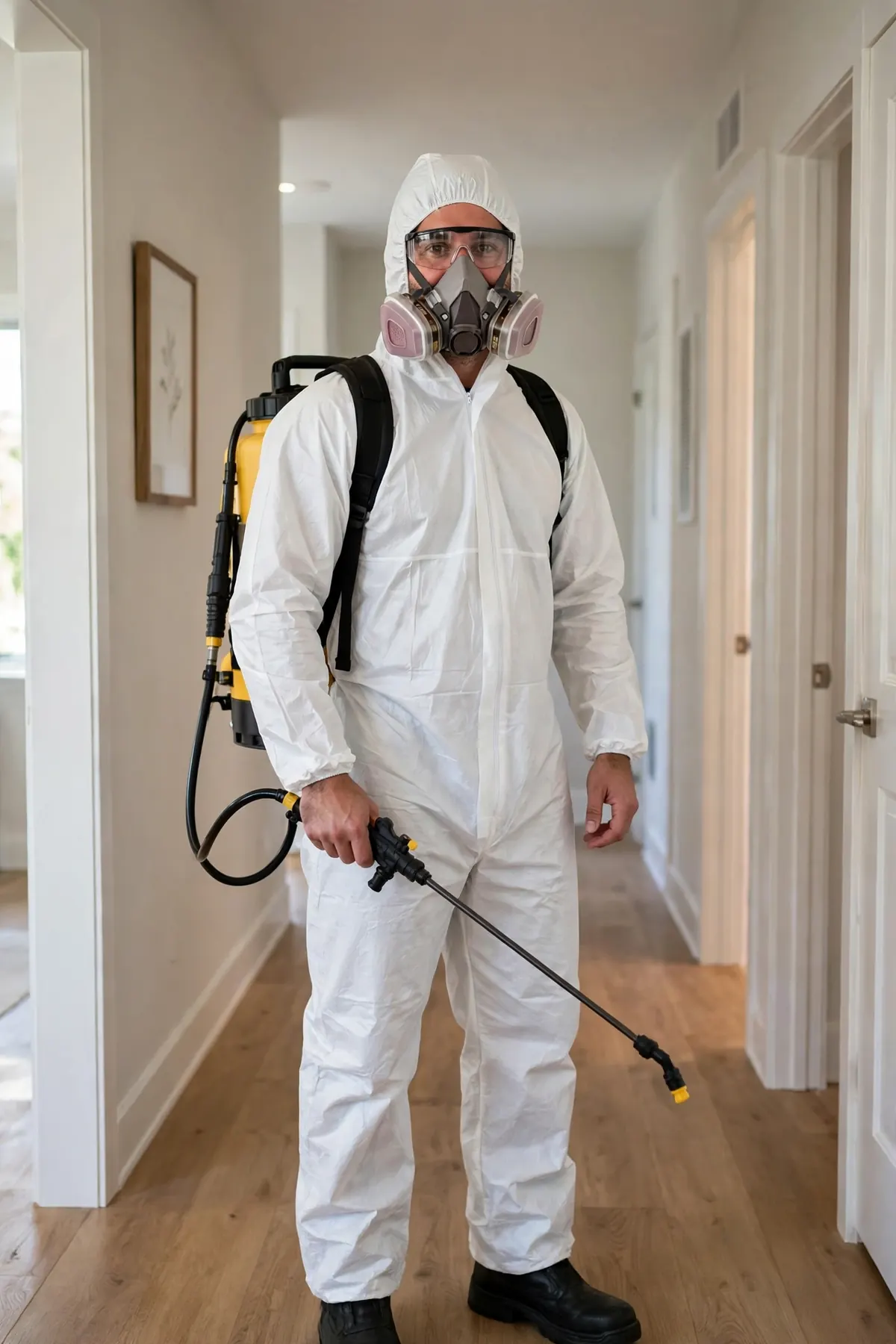
If the grout keeps staining, the fan sounds tired, or there's a musty smell you can't quite place, reach out and tell us what's happening in your bathroom. Our team is available Monday to Friday and responds quickly to every inquiry.
Small spots turn into big jobs fast in New Jersey humidity. Call now and we'll schedule your inspection.
Call (973) 400-5618