System stays off during work
Running blowers spread spores. We lock out the system until the job passes its final check.
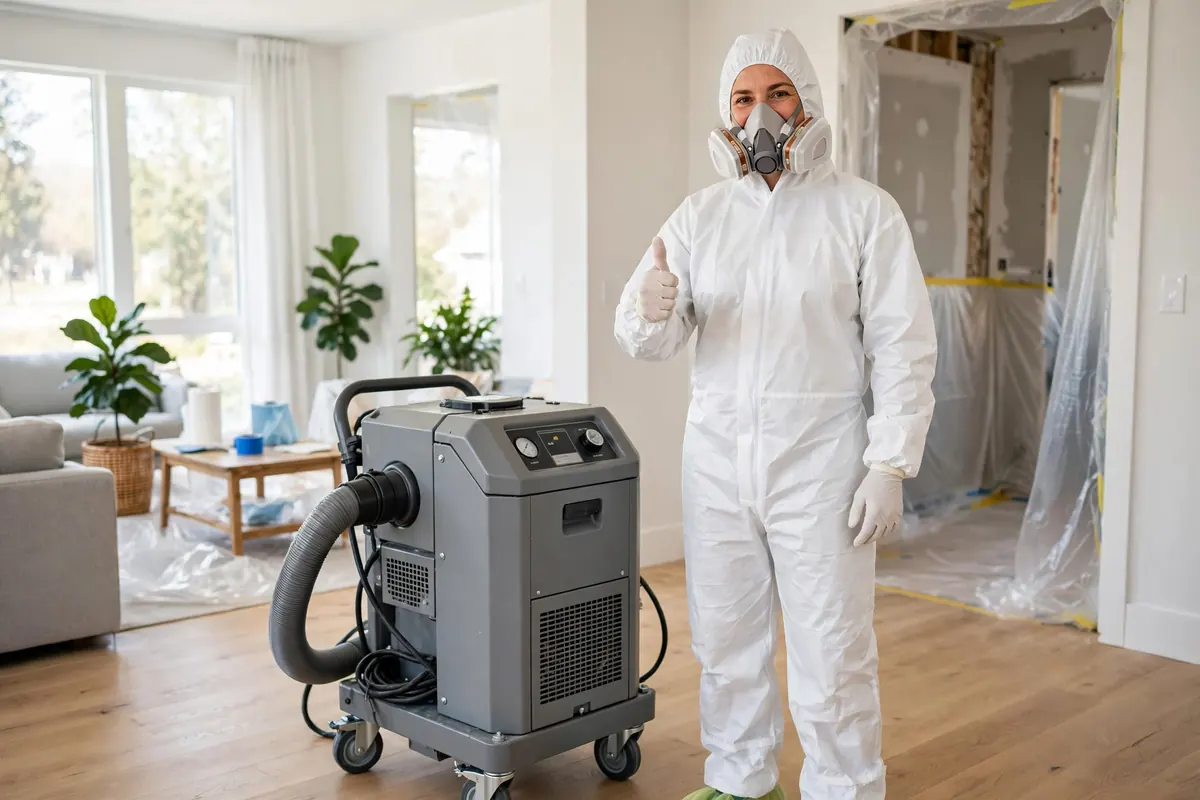
Last updated: October 4, 2026
Musty air every time the system kicks on? That isn't just dust.Mold in an HVAC system doesn't behave like mold anywhere else — your ductwork can carry spores from a damp coil or drip pan into every room it serves. We shut the system down, find the actual moisture source, and remediate the ducts, coils, and air handler as one connected system.
Running blowers spread spores. We lock out the system until the job passes its final check.
Duct cleaning alone misses the two wettest parts. We treat the whole air handler, not just the tubes.
Not everything in your ducts is mold. We show you the difference before recommending any work.
Photos of your coils, pans, and duct interiors at the start and at the finish.
A duct-mold job is bigger than a duct-cleaning visit. Here is what ours covers:
We open access points, inspect runs and returns with a camera, then use agitation plus HEPA-filtered extraction to remove growth and debris from inside the ducts.
The evaporator coil and condensate pan are the wettest parts of the system — and the most common mold source. We clean the coil fins and treat the pan so standing water stops feeding growth.
The blower wheel and air handler cabinet get wiped down and treated, because a clean duct connected to a moldy air handler just recontaminates everything.
After remediation we restart the system, verify airflow at the registers, and confirm the condensate drain is actually draining.
Musty at startup? Visible growth on a vent? Tell us the symptoms and we'll tell you the honest next step.
Every duct system collects dust — that's what filters are for. Mold is different: it means something inside the system is staying wet, and the blower is distributing spores every time it runs.
The usual culprits are the evaporator coil, which sweats every cooling cycle, and the drip pan beneath it, which is supposed to drain that water away. When the drain clogs or the pan rusts through, water sits — and mold moves in. From there, supply ducts carry spores room to room, which is why a localized moisture problem can cause whole-house symptoms.
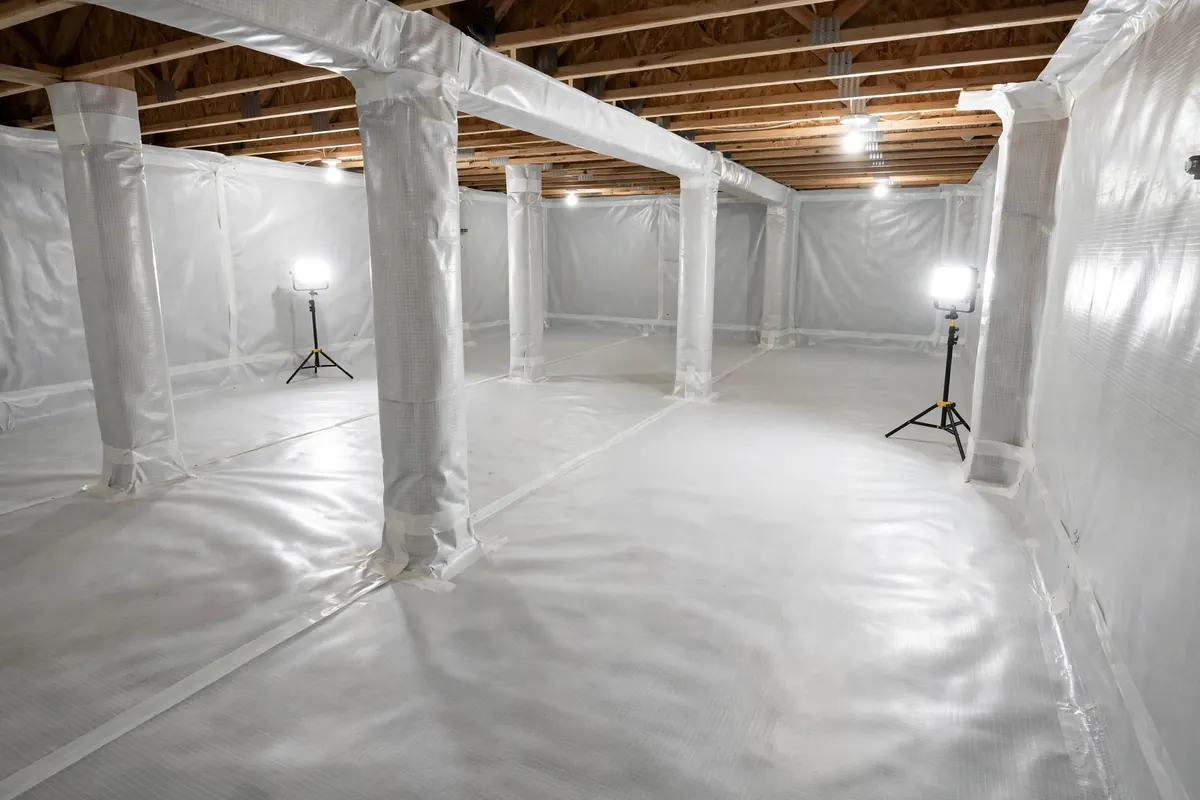
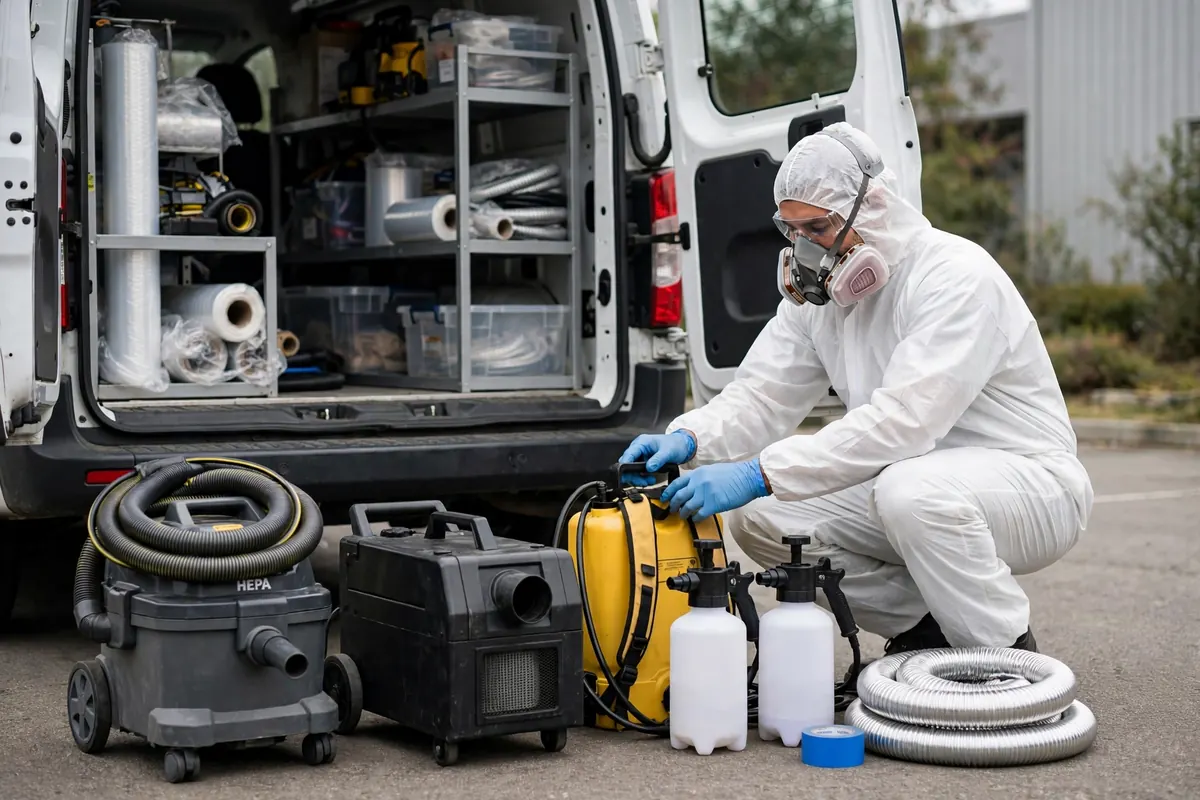
We power down the system so the blower can't spread spores mid-job, then inspect ducts, coil, pan, and blower to map the contamination.
The air handler gets sealed off from the ductwork with barriers and negative air, so disturbed spores get pulled into filtration — not pushed into your rooms.
Rotary brushes loosen growth inside the ducts while a HEPA-filtered vacuum at the trunk line captures it. Nothing gets blown downstream.
We clean the evaporator coil, treat the drip pan, clear the condensate drain, and detail the blower assembly — the moisture sources, not just the symptoms.
The system comes back on only after a final wipe-down and visual check. We confirm airflow at every register and a freely draining pan.
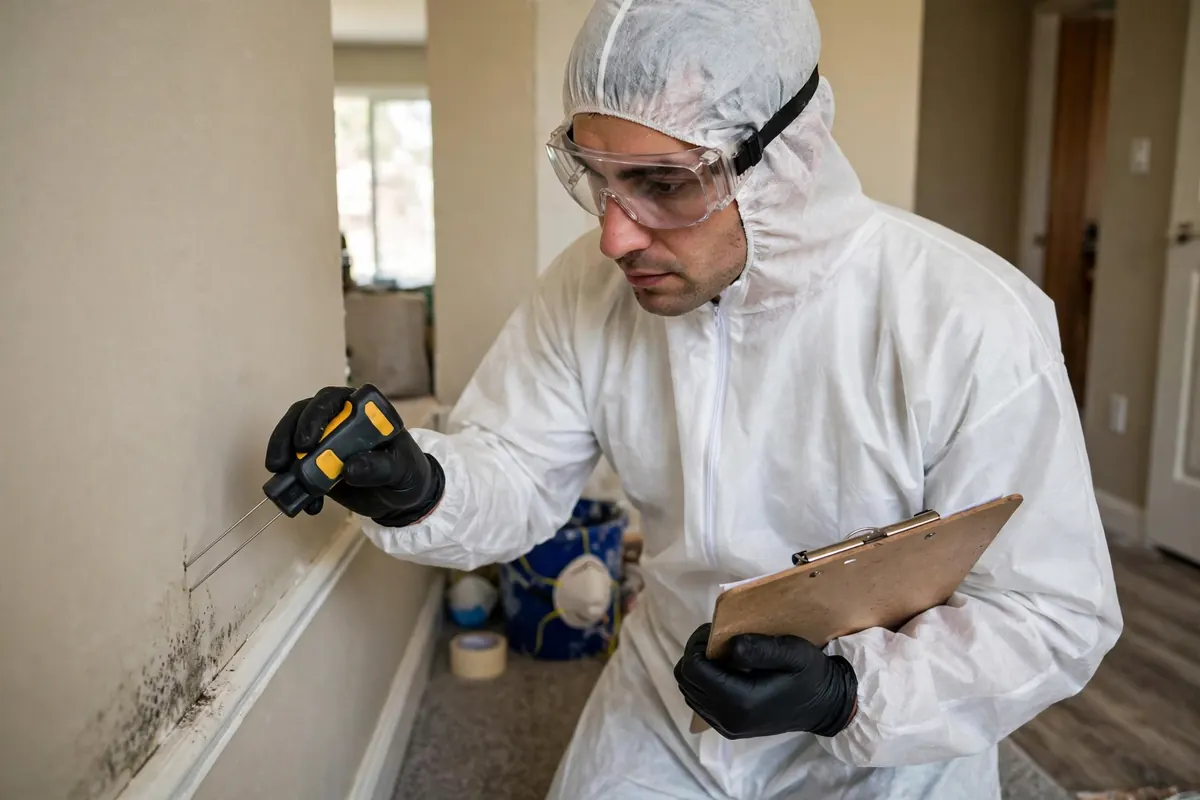
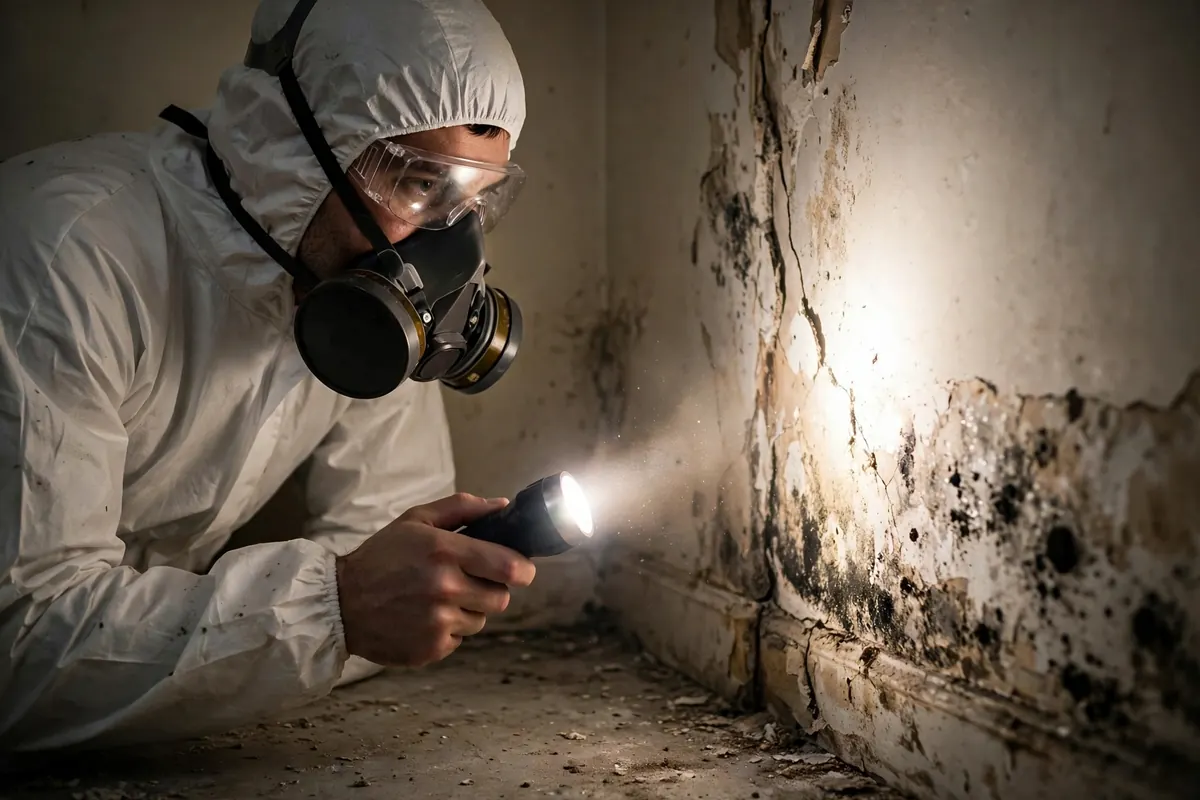
A high-volume HEPA vacuum connected at the trunk pulls loosened debris out of the system instead of redistributing it.
Flexible brushes sized to each duct run scrub interior surfaces so growth releases into the vacuum stream.
We look inside the runs before and after — no guessing about what's actually in there.
Keeps the work zone under negative pressure so spores migrate toward filtration, never toward your living space.
Products chosen for evaporator coils and drain pans — effective on growth, safe for the equipment and your air.
A clogged drain undoes every other step. We verify water actually leaves the pan.

Discoloration on registers or the first feet of visible duct means the problem is past what a standard cleaning addresses.
A clogged condensate drain, frozen coil, or leak above the air handler soaks components a brush-and-vacuum visit won't fix.
Smell that arrives with the airflow and fades when the system rests points to growth inside the system itself.
Much of Newark's housing stock predates modern HVAC — retrofitted systems threaded through old buildings, aging ductwork in Ironbound rowhouses, and window-unit-era apartments now running central air. Older ducts leak, older pans rust, and humid summers keep everything damp.
Dense rowhouses with retrofitted duct systems — we often find original ductwork paired with newer air handlers, a mismatch that traps moisture.
Larger older homes with long duct runs through unconditioned attics, where temperature swings condense moisture inside the ducts.
Aging apartment buildings where shared systems and deferred maintenance let coil and pan problems run for years.
Newark's summer humidity keeps coils sweating heavily; without clear drains, pans stay wet into fall.
Every cooling cycle started with a wave of musty air that faded after a few minutes.
With the coil cleaned, the pan draining, and the ducts extracted, startup air smells like nothing at all.
Maintenance: Change filters on schedule and keep the condensate drain clear.
Dark buildup reappeared around supply registers within weeks of wiping.
Once growth inside the runs was removed at the source, registers stayed clean between filter changes.
Maintenance: Annual visual check of the coil and pan catches problems early.
Some rooms barely got airflow while the blower strained.
Clearing debris and growth from the ducts and coil restored even airflow — the system no longer works as hard for the same comfort.
Maintenance: Seal accessible duct joints to keep conditioned air where it belongs.
A moldy HVAC system isn't a surface problem — it's a distribution problem.
The blower doesn't care where the growth is. Contamination at the air handler reaches every supply register in the house.
Growth matted across evaporator fins chokes airflow and forces longer run cycles — the system works harder for less comfort.
Musty startup smell isn't a cleaning issue; it's growth on wet components releasing spores each time the blower starts.
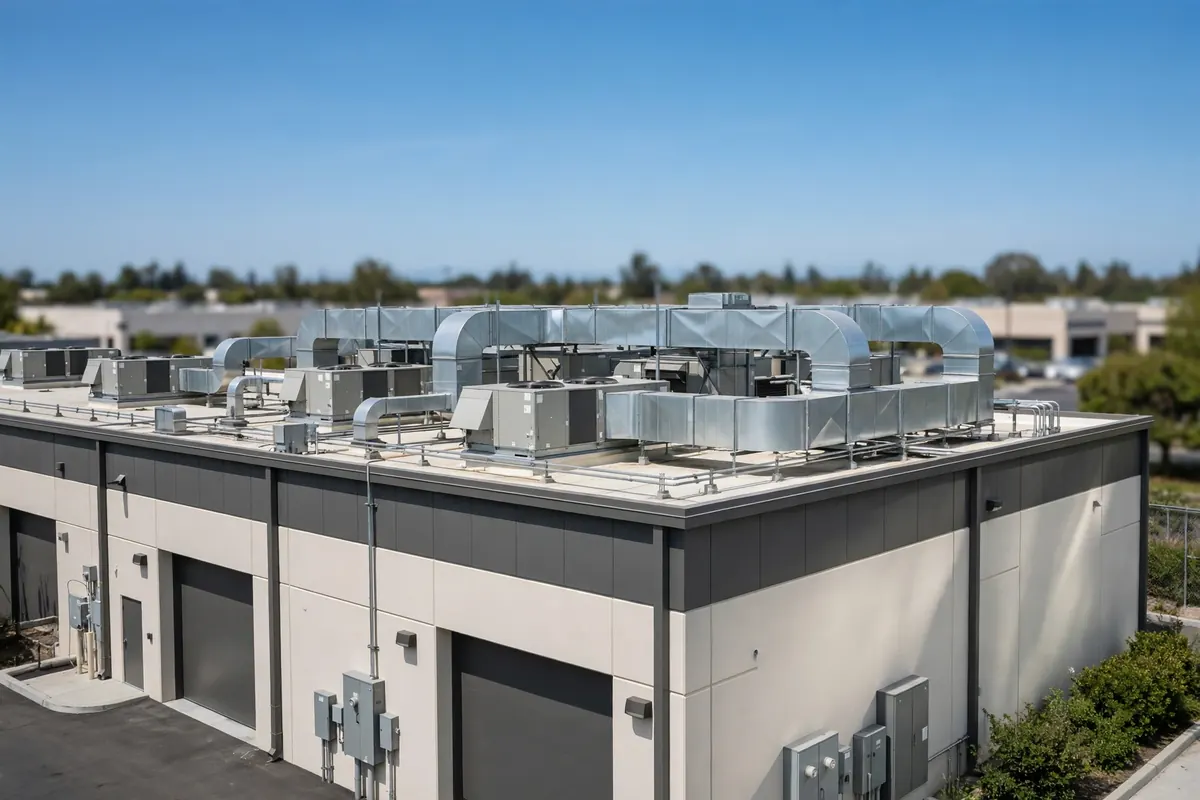
We treat HVAC contamination as a systems problem, not a surface problem.
Common signs include musty odors, visible mold growth around vents, and increased allergy symptoms. If you notice these signs, it's time to schedule HVAC & Air Duct Mold Removal Newark NJ.
Typical costs for HVAC & Air Duct Mold Removal Newark NJ range from $300 to $1,200, depending on the extent of mold growth and system size.
Most HVAC Mold Remediation Newark NJ jobs take between 2 to 4 hours, depending on the severity of the mold problem and the size of the HVAC system.
Yes, regular maintenance and inspections can help prevent mold growth. Keeping humidity levels low and ensuring proper ventilation are key strategies.
Not seeing your question? Our local team can help you understand urgency, scheduling and what to expect.
Ask the local team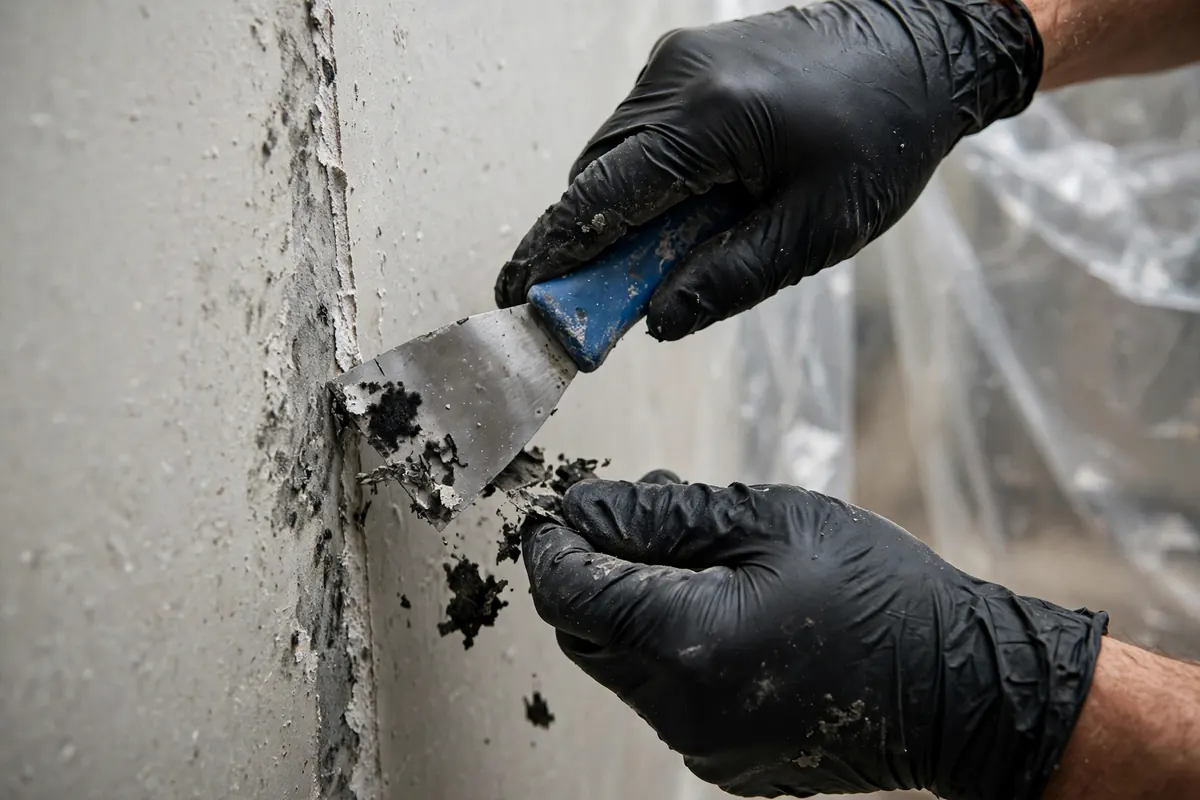
Black Mold Removal is important for eliminating toxic mold types that can affect air quality. Our team specializes in safe and effective removal.
View service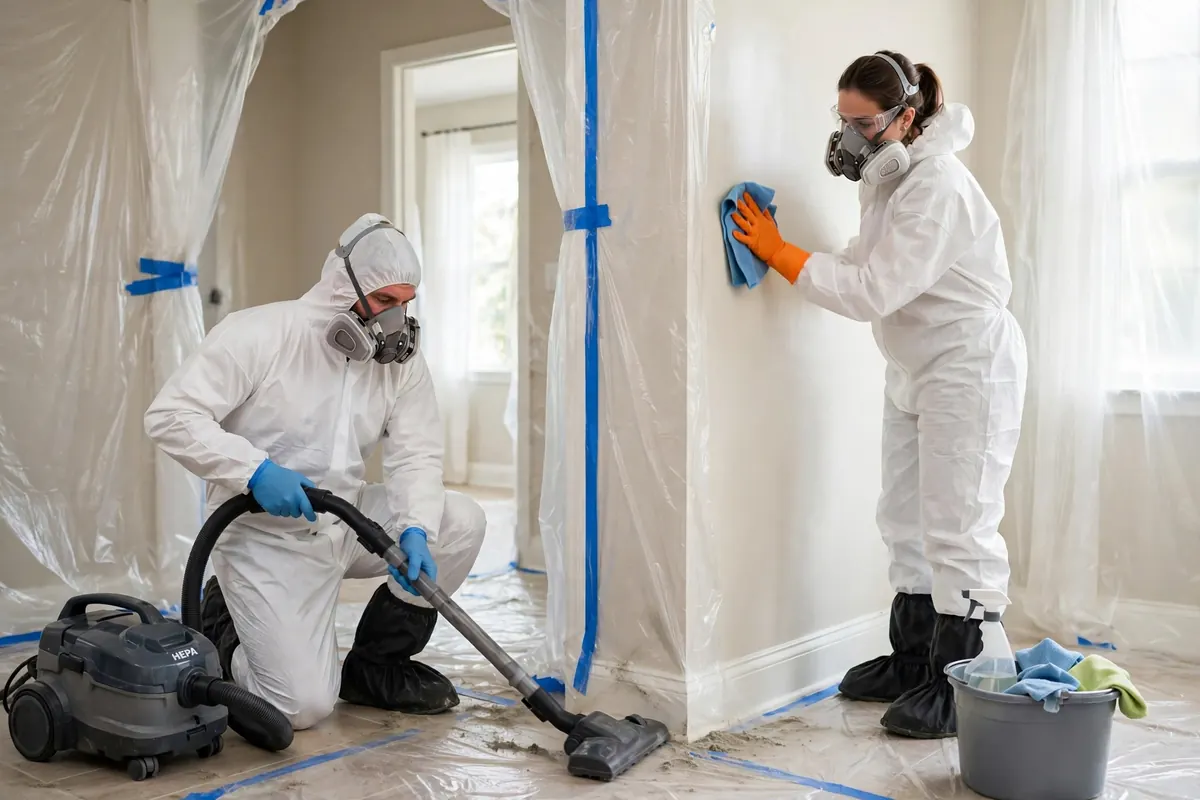
Mold Inspection & Testing helps identify hidden mold issues in your HVAC system. Our thorough testing ensures complete remediation.
View service
Air Quality Testing evaluates the safety of your indoor environment. This service is essential for homes with known mold issues.
View service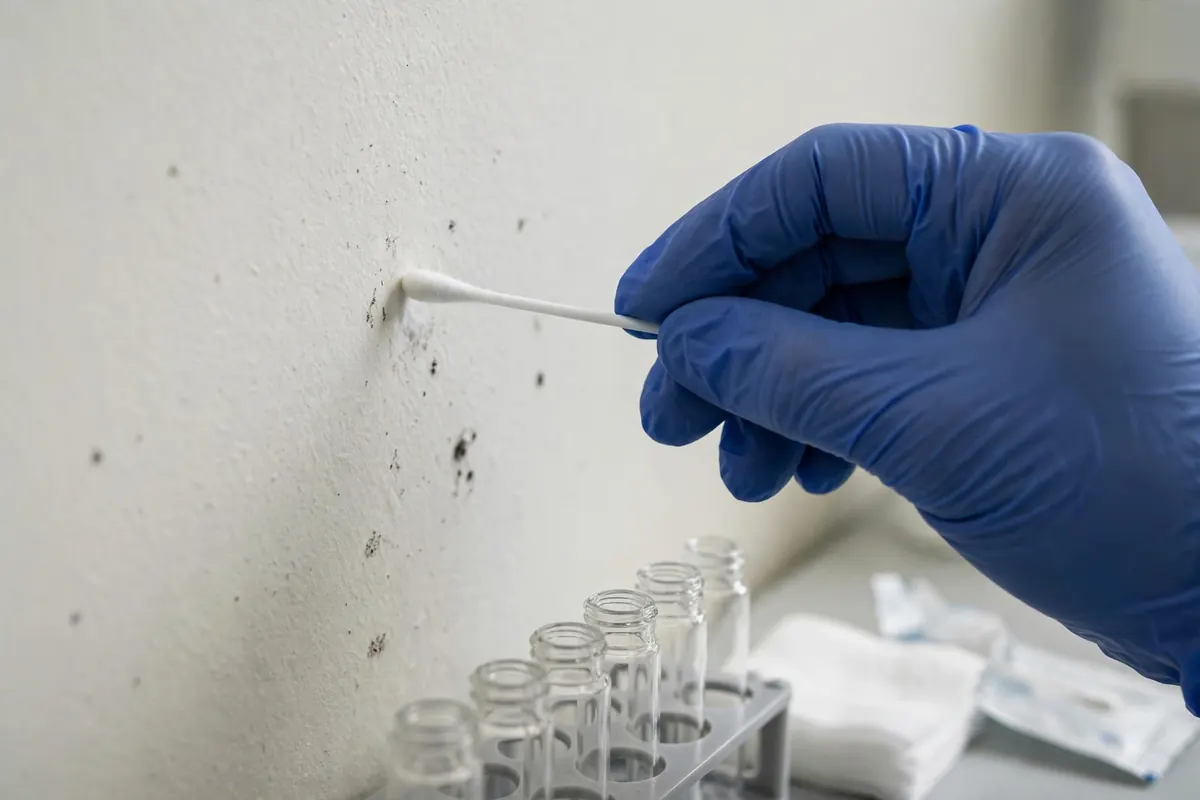
Mold Clearance Testing confirms that mold has been effectively removed from your HVAC system, providing peace of mind for homeowners.
View service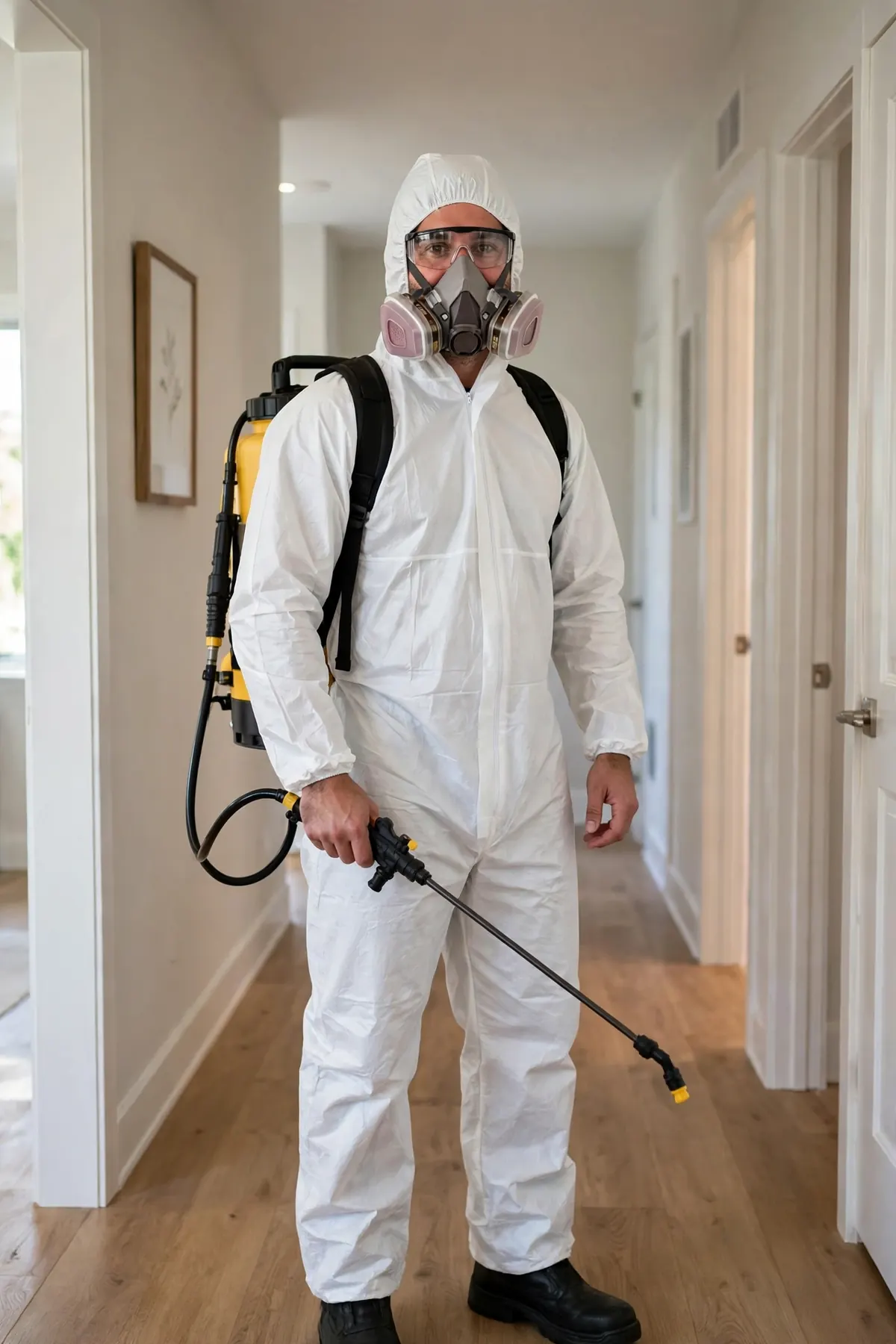
Questions about your ductwork, coils, or that startup smell? Reach out — we answer with specifics, not scripts, Monday to Friday.
Small spots turn into big jobs fast in New Jersey humidity. Call now and we'll schedule your inspection.
Call (973) 400-5618