Source-first attic visits
We trace the moisture — leak, vent, or airflow — before quoting any cleanup.
Last updated: October 4, 2026
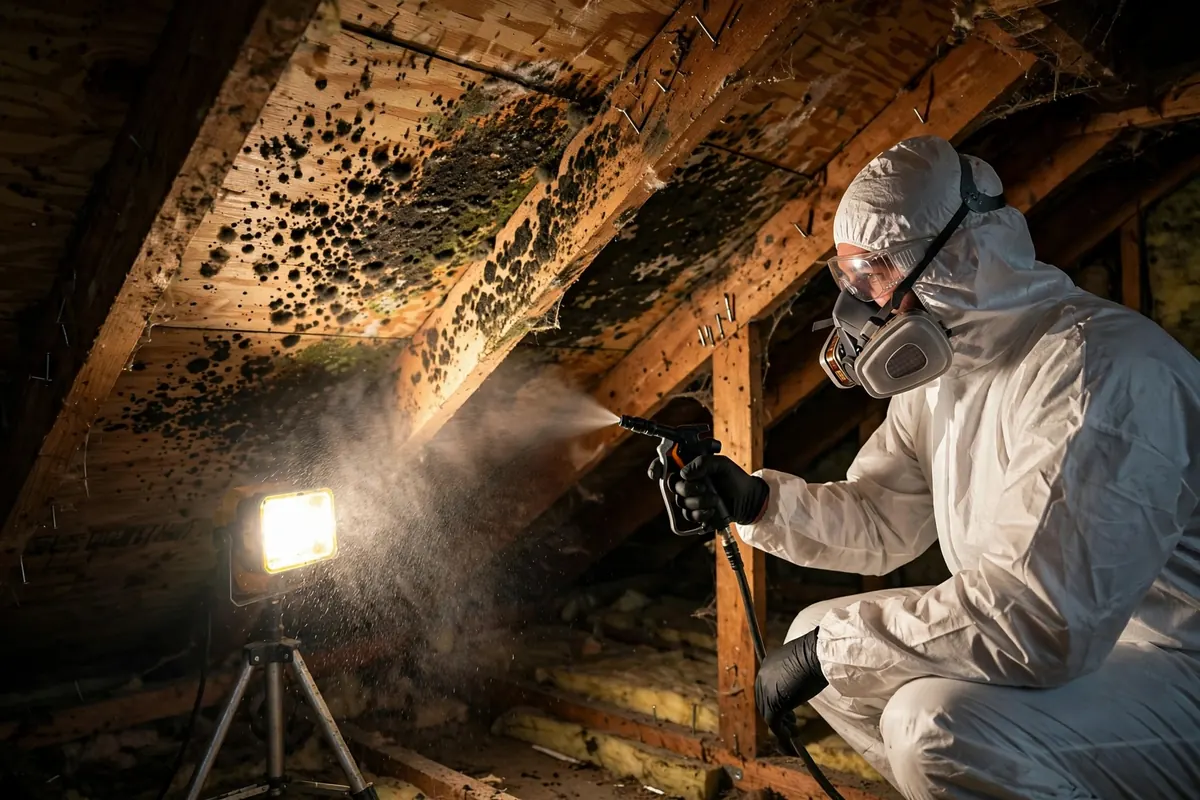
Protect your home from harmful mold growth.Attic mold rarely announces itself. It grows quietly on the underside of the roof deck — fed by a slow flashing leak, a bathroom fan venting straight into the rafters, or summer air that never moves through blocked soffits. Our attic work starts with the moisture source, then cleans what's savable and tells you plainly what isn't.
We trace the moisture — leak, vent, or airflow — before quoting any cleanup.
Soffit intake and ridge exhaust are tested on every attic inspection.
Sound wood is cleaned and treated, not needlessly torn out.
Contaminated or not — you get a clear keep, remove, or replace call.
An attic job is part detective work, part cleanup. This is the full scope we bring to it.
A full walk of the attic with moisture readings across sheathing and framing, photographed and documented.
We track stains and damp spots back to the failing shingle, flashing, or vent boot that let water in.
Bathroom and kitchen exhausts are checked for proper termination outside — soffit and ridge airflow is tested too.
Surface growth is removed from wood with HEPA-controlled methods, then treated to discourage regrowth.
Contaminated insulation is bagged and carried out sealed; sound insulation stays where it's.
You get a plain-language record of the source, the work done, and how to keep the attic dry from here on.
Describe the stains or smells and get a clear next step from the local team.
An attic is the perfect hiding place: dark, full of bare wood, and rarely visited. Add moisture — a slow roof leak, a bathroom fan dumping warm air into the rafters, or intake and exhaust vents that stopped moving air years ago — and growth spreads across the sheathing long before anyone notices a smell downstairs.
Newark homes give attic mold plenty of help. Humid summers keep wood damp, older roofs develop worn flashing and vent boots, and plenty of houses were retrofitted with exhaust fans that terminate in the attic instead of outside. Cleaning the surface without fixing the source just restarts the clock, so our approach traces the moisture first and cleans second.
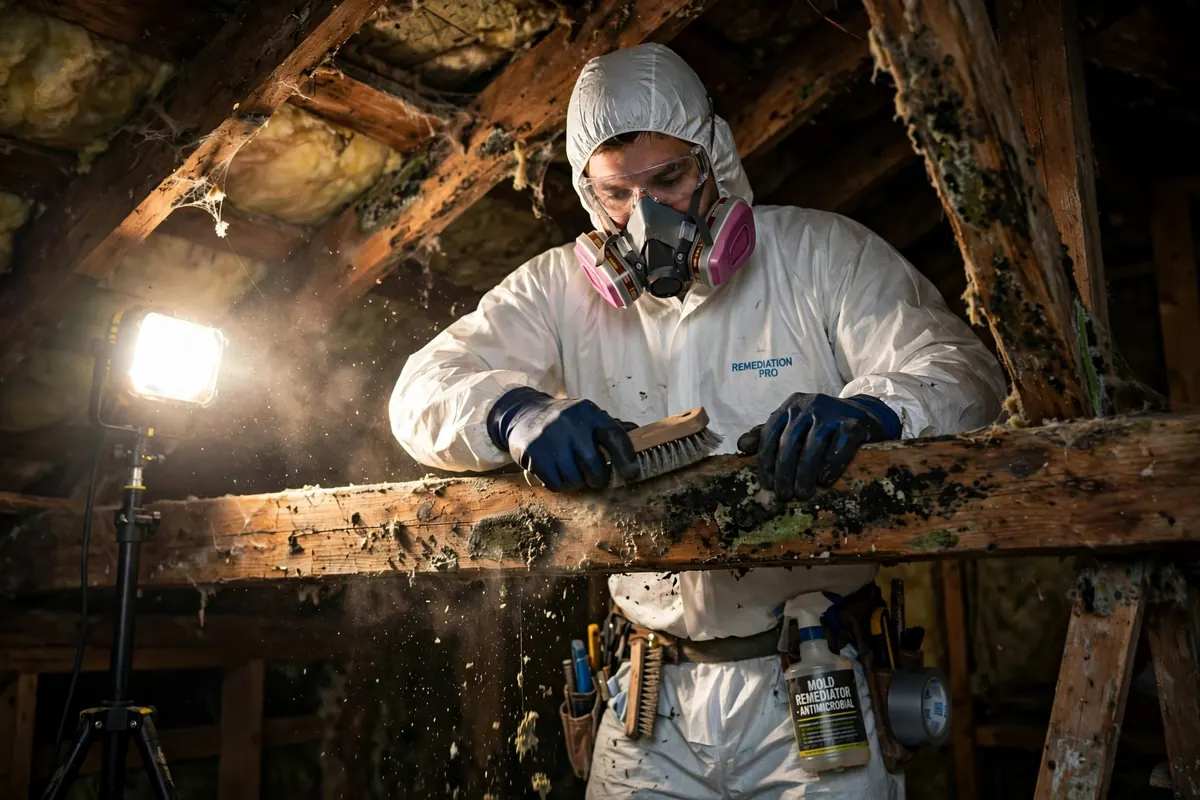
We enter the attic and map it: moisture readings across sheathing and framing, photos of stains and growth, and a note of every penetration in the roof.
Stains, damp spots, and any daylight are traced back to the failed shingle, flashing, or vent boot. The leak location is documented for your roofer.
Every bathroom and kitchen fan is checked: does it terminate outside through a roof or wall cap, or is it dumping moist air into the attic?
Soffit intake, ridge vent, and gable vents are inspected for blockages, paint-over, or missing baffles that stop air from moving.
A contained work area is set up, then surface growth is removed from wood with abrasive cleaning and HEPA extraction.
Contaminated batts or blown fill are bagged and removed sealed. Dry, clean insulation stays put — it doesn't need replacing.
Misdirected exhaust ducts are rerouted to proper terminations where feasible, and cleaned wood is treated against regrowth.
Readings, photos, and maintenance notes are reviewed with you, followed by a written report of everything found and done.

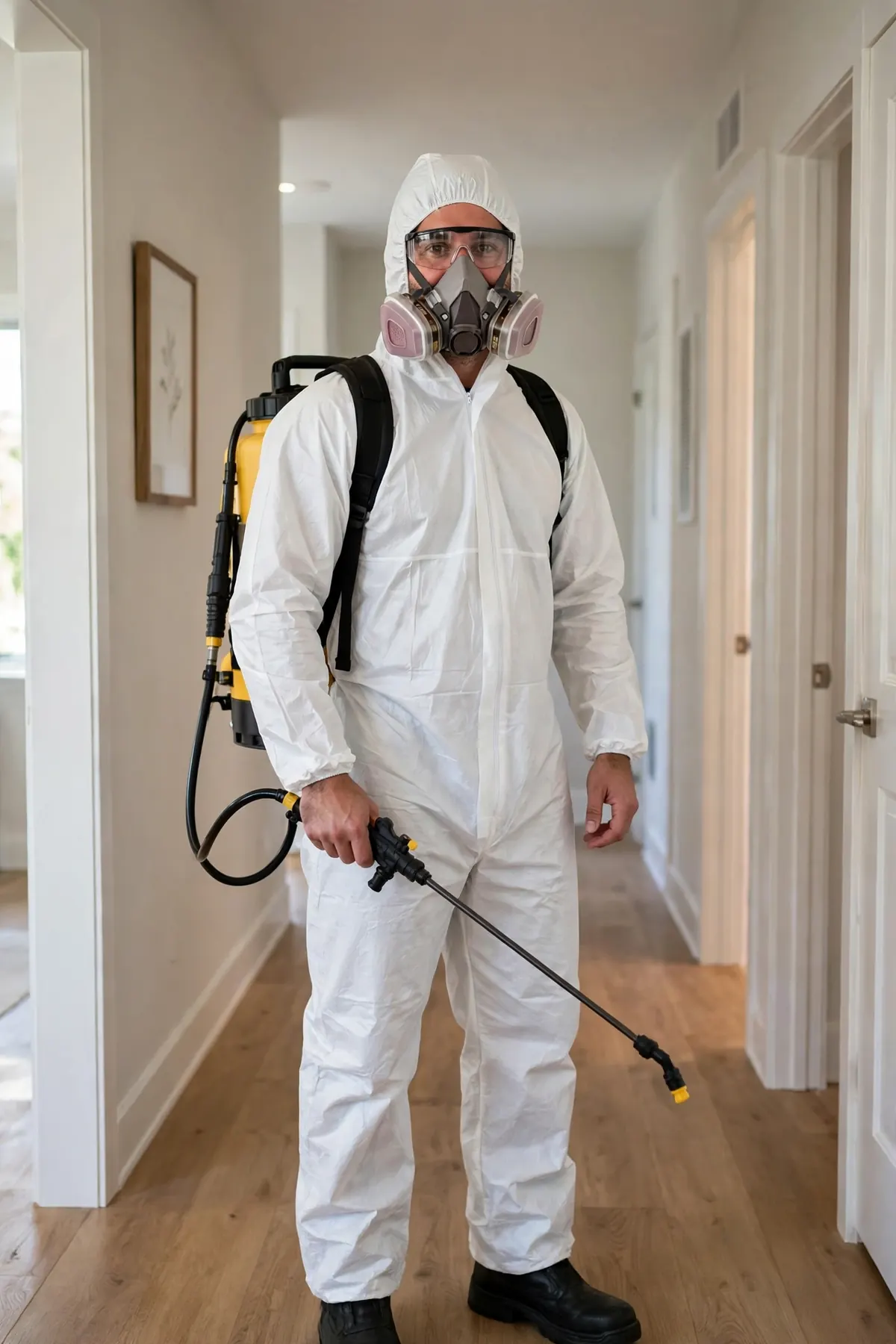
Most of the wood we find in Newark attics can stay. When the sheathing is solid and the growth sits on the surface, cleaning and treatment bring it back. Insulation is a different call — once it's damp and contaminated, it comes out. Here is how we handle each side of that decision.
Rotary brushing with HEPA capture removes surface growth from sheathing and rafters without tearing out wood.
Readings across the sheathing reveal the full wet footprint, including spots the eye misses.
Applied to cleaned sheathing and framing to discourage regrowth after the cleanup.
Contaminated batts and blown fill are bagged in the attic and carried out sealed, so spores don't travel through the house.
Flex or rigid duct is run to a proper roof or wall cap, so bathroom and kitchen air leaves the house for good.
Baffles are cleared and vents checked so intake and exhaust stay balanced the way the roof was designed.
Barriers and negative-air control keep spores and dust from drifting down into the rooms below.
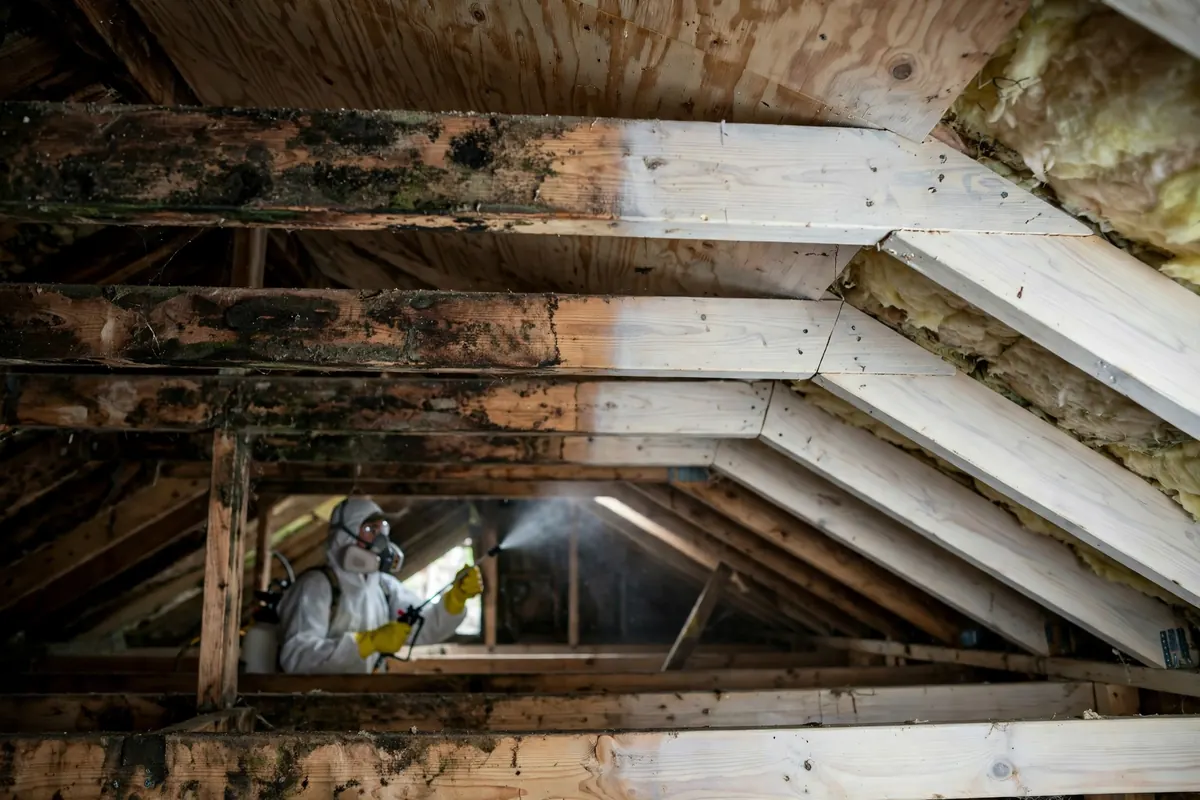
We trace the water to its entry point, clean the growth it fed, and document the leak for your roofer so the fix is permanent.
Warm, moist air condenses on cold sheathing and nails. We clean the growth and reroute the duct to a proper roof or wall cap.
Hidden growth is mapped with moisture readings, cleaned from the wood, and the airflow problem behind it's corrected.
Newark’s housing stock tells the story of its attic mold: older colonials and two-family houses with aging flashing, historic homes with complex roofs, and buildings everywhere that got bathroom fans long before anyone routed them outside. Humid summers and freeze-thaw winters finish the job that poor ventilation starts. Here is what we run into, neighborhood by neighborhood.
Older rowhouses and two-families where worn flashing around chimneys and shared walls feeds slow, hidden leaks.
Many homes here had bathroom exhaust fans retrofitted years ago — plenty still terminate in the attic instead of outside.
Larger historic homes with dormers, valleys, and complex roofs where ventilation was never properly balanced.
Seasonal swings drive condensation on sheathing whenever attic airflow falls short.
Brittle shingles and worn vent boots are the usual suspects behind sheathing stains.
Water staining and surface growth along the rafters, with damp insulation underneath.
The source was identified and documented for the roofer, growth was cleaned and treated, and the wet insulation was removed and replaced.
Maintenance: Have flashing and vent boots checked whenever the roof is inspected.
Moist air dumping into the rafters, with growth on the sheathing and frost on nails in winter.
The duct was run to a proper roof cap, growth was cleaned, and the attic is drying out normally.
Maintenance: Confirm the duct stays connected and the cap screen stays clear.
Blocked soffits and no working ridge exhaust, with widespread surface growth across the deck.
Baffles were cleared, intake and exhaust balanced, and the sheathing cleaned and treated.
Maintenance: Keep vents clear of insulation and debris so air keeps moving.
These are the three patterns behind most of the attic mold we see in Newark homes.
A slow leak can soak sheathing for months before anyone looks up. We trace the water to its entry point, clean the growth it caused, and document the leak for repair.
Bathroom fans venting into the attic pour warm, moist air onto cold wood. We clean up the result and reroute the duct to the outside.
Blocked soffits and painted-over ridge vents trap humidity against the roof deck. We assess intake and exhaust, and correct what the roof allows.
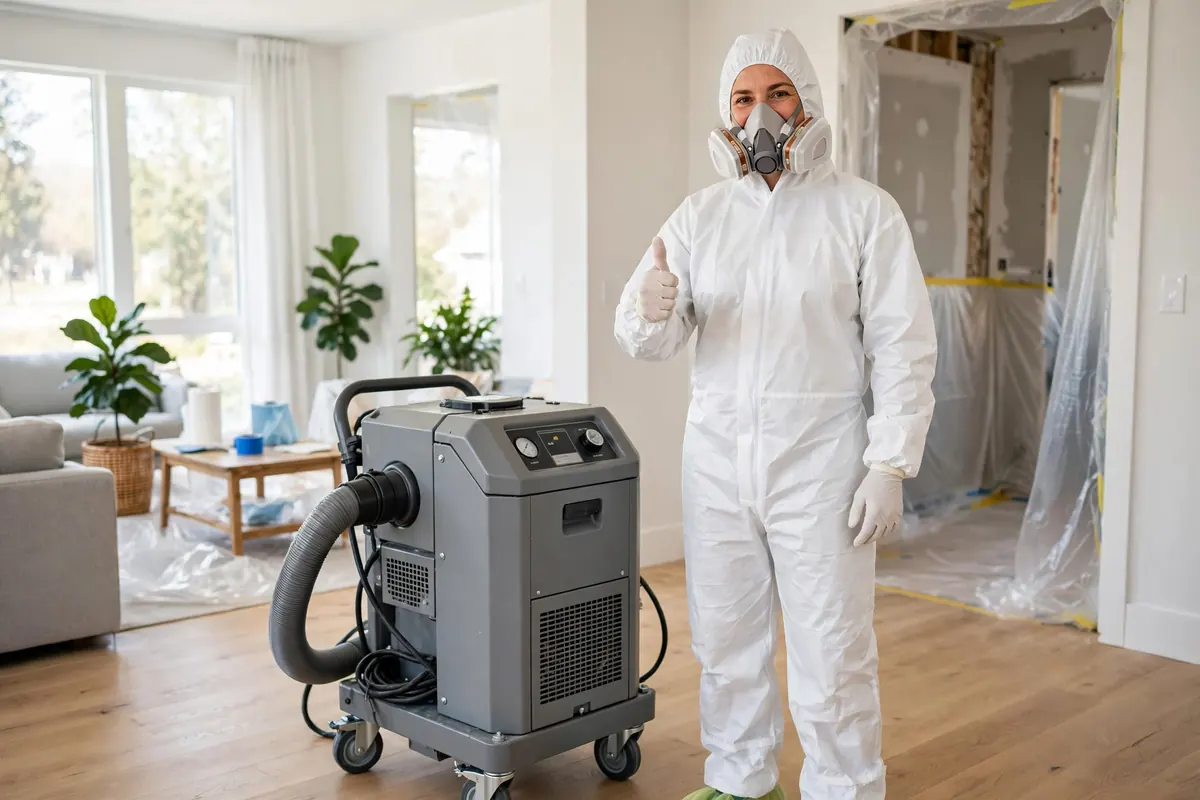
Our crew works attics the way attics need it — source first, structure second, and no unnecessary tear-out.
The primary causes include moisture from roof leaks, poor ventilation, and high humidity levels. Addressing these issues is crucial for effective attic mold removal Newark NJ.
Improper bathroom venting can release moisture into the attic, creating a conducive environment for mold growth. Ensuring proper ventilation is key in preventing mold issues.
Yes, a roof leak can lead to moisture accumulation, resulting in toxic black mold growth on attic rafters. Timely attic mold remediation Newark is essential to prevent this.
Not always. If the insulation is contaminated, it may need replacement; however, our experts assess each situation to determine the best course of action.
Not seeing your question? Our local team can help you understand urgency, scheduling and what to expect.
Ask the local team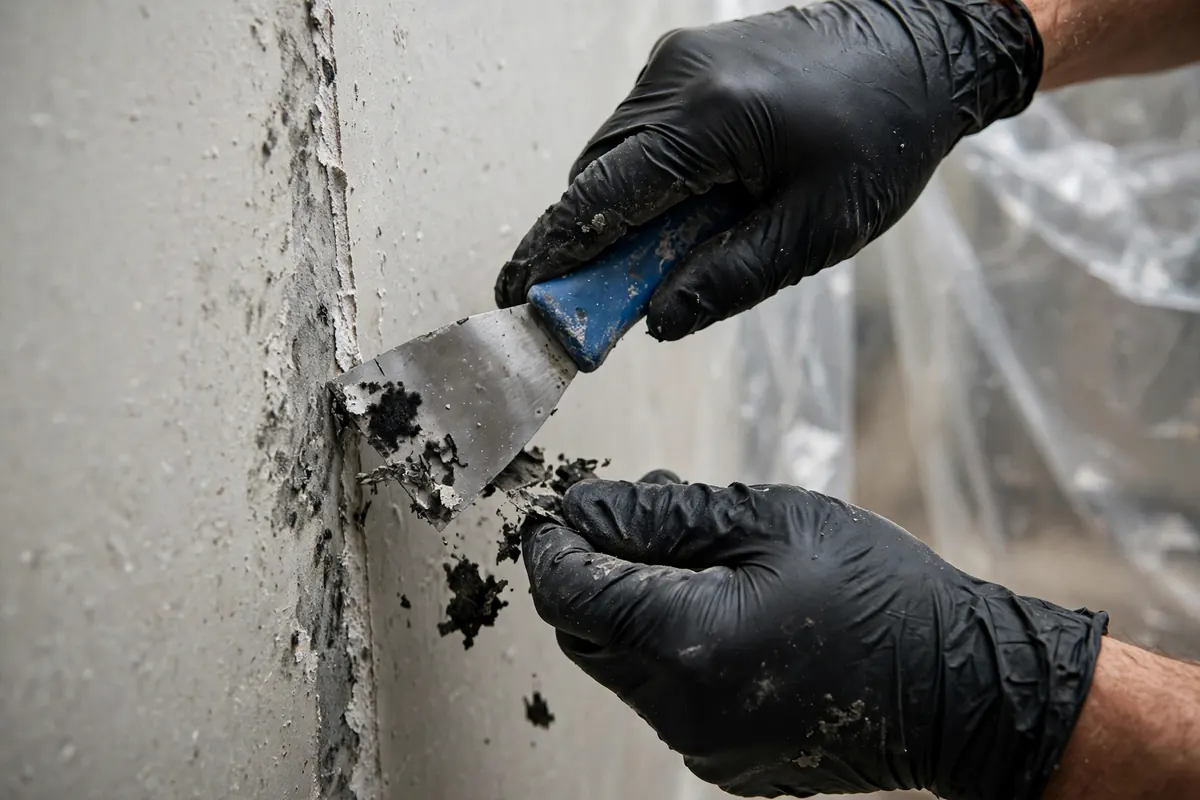
Black mold can pose serious health risks. Our black mold removal service targets and eliminates this hazardous mold from your attic.
View service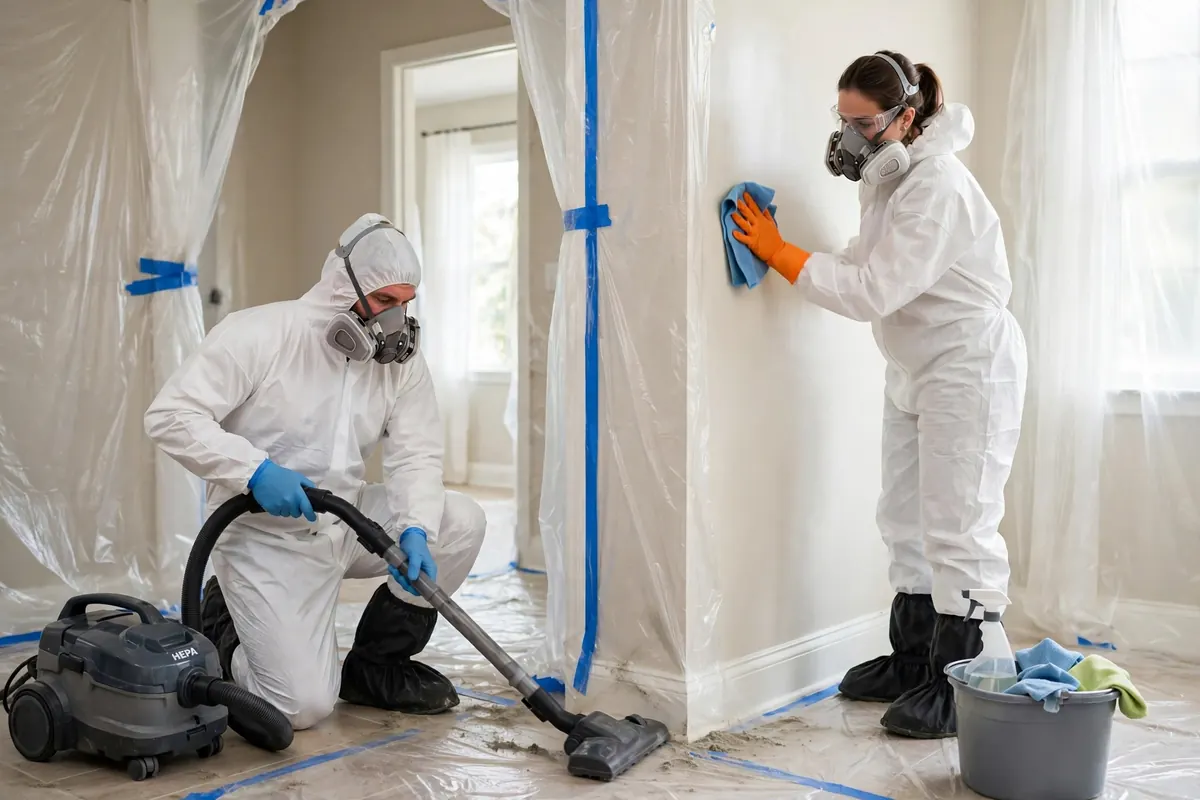
Our mold inspection and testing service identifies hidden mold problems in your attic, ensuring complete attic mold removal Newark.
View service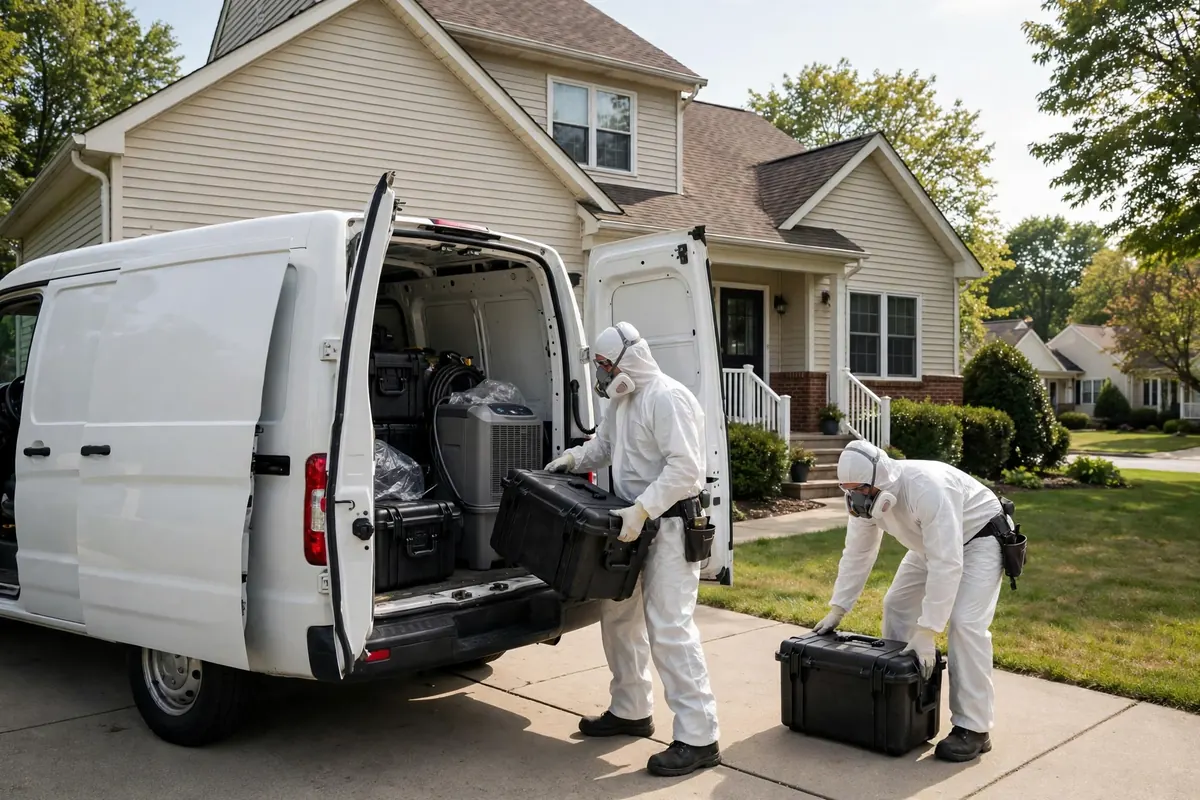
We provide air quality testing to assess the impact of mold in your attic on your home's overall air quality.
View service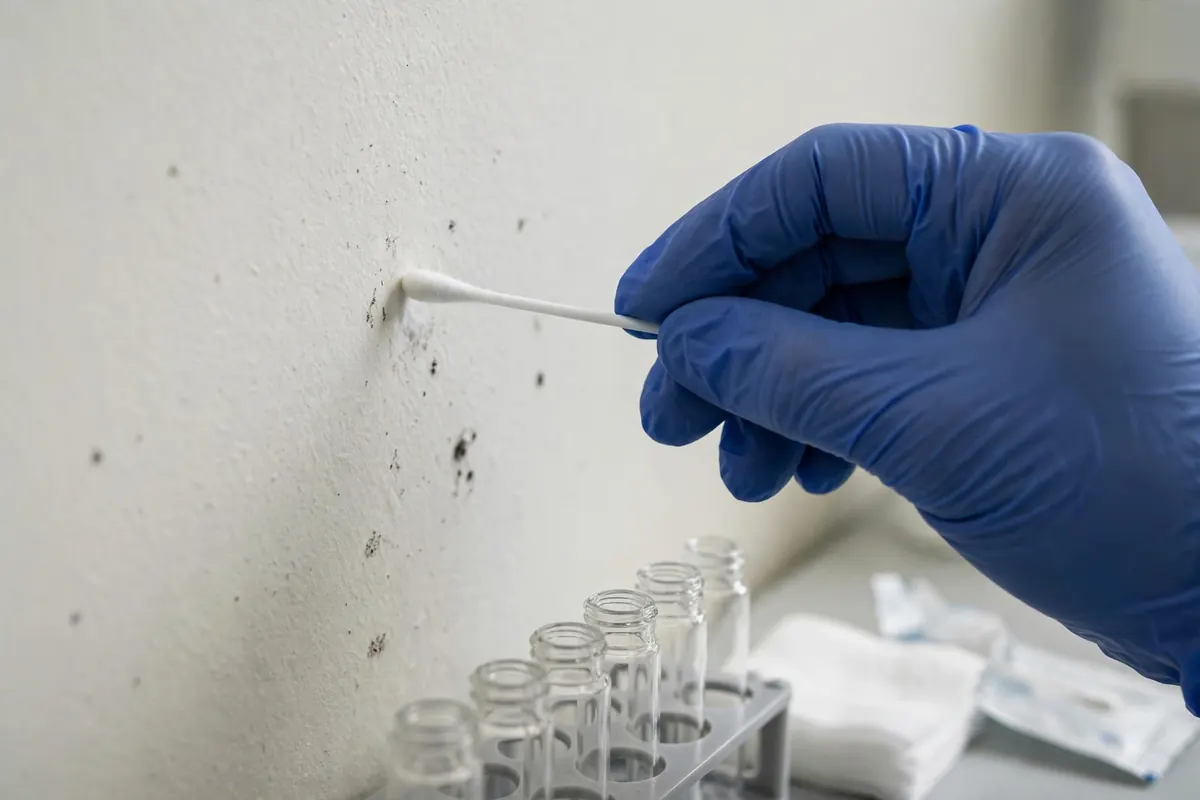
After remediation, our mold clearance testing ensures that your attic is free from mold, providing peace of mind.
View serviceWe bring this service to homes and businesses across Newark and the surrounding communities.
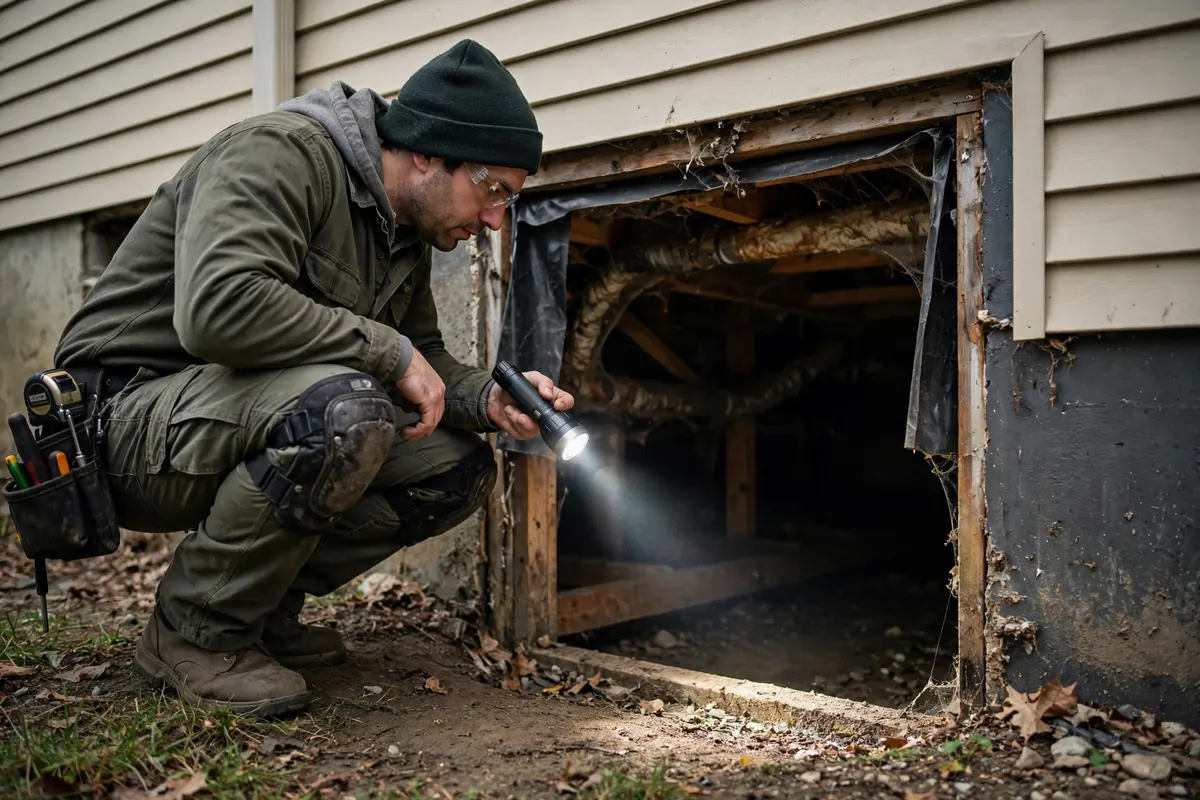
Spotted a stain on the sheathing, a fan venting into the rafters, or a musty smell after rain? Reach out and tell us what you're seeing — we'll help you work out whether it's a leak, a vent, or an airflow problem, and what it takes to fix it. Our team is available Monday to Friday, with quick response times to your inquiries.
Small spots turn into big jobs fast in New Jersey humidity. Call now and we'll schedule your inspection.
Call (973) 400-5618