Sized to the space, not upsold
We calculate pints-per-day against your square footage and conditions — the right unit, not the priciest one.
Last updated: October 4, 2026
Running a dehumidifier nonstop and still seeing mold? The humidity isn't the whole story.Mold is a moisture problem wearing a disguise. We measure what your home’s humidity is actually doing, size the right dehumidification for the space, fix the drainage, and verify the result — instead of selling you a bigger bucket to empty.
We calculate pints-per-day against your square footage and conditions — the right unit, not the priciest one.
Condensate gets a pump or a gravity line to a real drain. No bucket-roulette.
We find where water is coming from first, because a dehumidifier can't fix bulk intrusion.
We come back and verify the space holds its target humidity.
Equipment is only one part. Here is the full plan:
We map relative humidity across the space and check walls, slabs, and rim joists with meters to find where moisture is actually entering.
Portable or whole-home, sized in pints per day for your square footage and conditions — installed, not just dropped off.
A condensate pump or gravity line carries water to a sink, sump, or exterior drain, so the unit runs whether you're home or not.
We return to verify the space holds 30–50% relative humidity and adjust the setup if it doesn't.
A hygrometer reading and a walkthrough is all it takes to know whether you need equipment, drainage work, or both.
Mold needs sustained relative humidity above about 60% to colonize drywall, wood, and fabric. Keep a space between 30 and 50%, and you've taken away the one thing mold can't live without.
That is the entire logic of dehumidification — but execution is where jobs fail. An undersized unit runs forever without reaching target. A unit draining to a bucket stops the day you forget to empty it. And no dehumidifier, whatever its rating, can overcome bulk water intrusion: a foundation leak or grading problem will out-supply any machine. Moisture control means solving the water first, then sizing equipment for what's left.
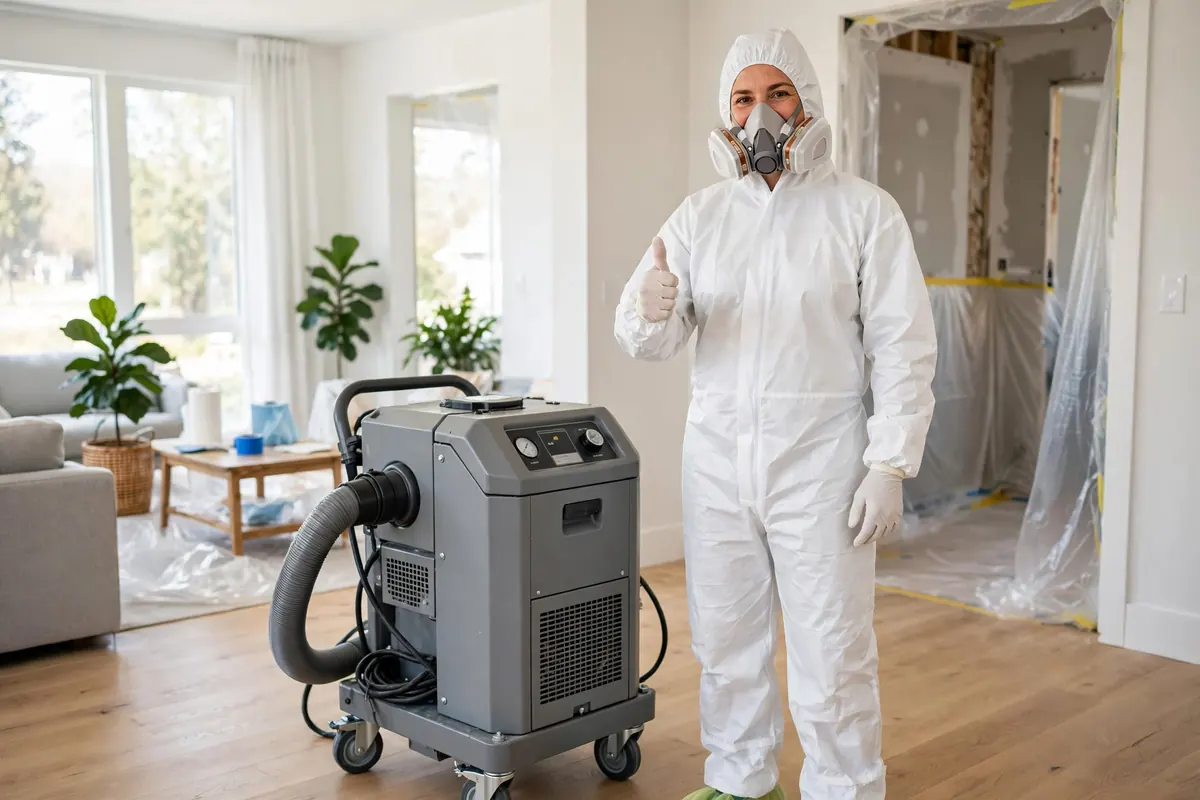
We log relative humidity across the space over the visit and meter walls and slab to separate vapor problems from liquid intrusion.
Grading, gutters, plumbing, or condensation? We identify what's feeding the moisture before specifying any equipment.
Pints-per-day matched to square footage and load, installed with a permanent drain line — not balanced on a shelf with a bucket.
We return to confirm the space holds 30–50% RH through a normal week, and tune the setup if it doesn't.

We don't guess at humidity. Loggers record conditions over days so sizing is based on reality, not a single reading.
Tell us whether walls and slabs are holding water — the difference between a vapor problem and an intrusion problem.
Portable units for single rooms; high-capacity or whole-home units for basements and HVAC-integrated setups.
The unglamorous part that decides whether the system works when you're on vacation.
Because the cheapest dehumidifier is downspout water that never reaches the foundation.
Where crawl spaces are involved, we plan dehumidification to work with — not against — future encapsulation.

Windows, pipes, or ductwork sweating through the season means indoor humidity is living above the safe range.
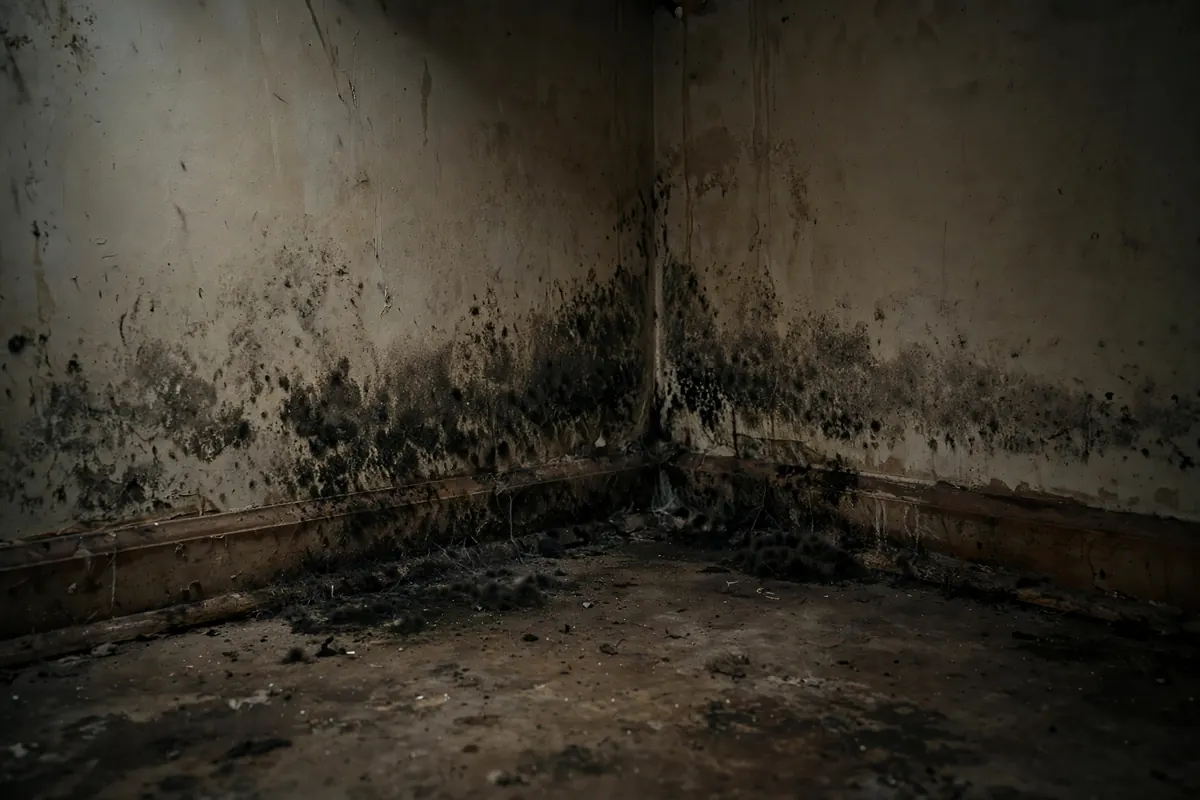
No puddles, just that smell — classic sustained high humidity feeding hidden growth.
If remediation didn't hold, the moisture never left. Control the humidity or the mold comes back.
Newark’s housing stock and climate conspire against dry basements: humid summers, mature neighborhoods with aging foundations, and flat lots where stormwater lingers against the house.
Dense blocks of older rowhouses where shared walls and old foundations wick ground moisture straight into basements.
Post-war homes with original basements and minimal exterior waterproofing — summer humidity does the rest.
Larger lots but aging drainage; we see a lot of gutter and grading problems masquerading as “basement humidity.”
July and August load basements with moisture that feeds mold well into fall if nothing actively removes it.

A portable unit filled its bucket every day, shut off every night, and the musty smell never really left.
A sized unit on a condensate pump holds the basement in the 40s around the clock — no buckets, no smell.
Maintenance: Clean the filter and check the drain line each season.
Two cleanups in three years, and the spots kept coming back on the same wall.
Moisture mapping found the real feed — a failed downspout extension. With drainage fixed and humidity controlled, the wall has stayed clean.
Maintenance: Watch gutter discharge after heavy storms.
Basement humidity rose through the house, leaving bedrooms clammy on summer nights.
Whole-home dehumidification tied into the HVAC keeps every floor in range — the basement stopped humidifying the bedrooms.
Maintenance: Keep the HVAC filter fresh so the system breathes easy.
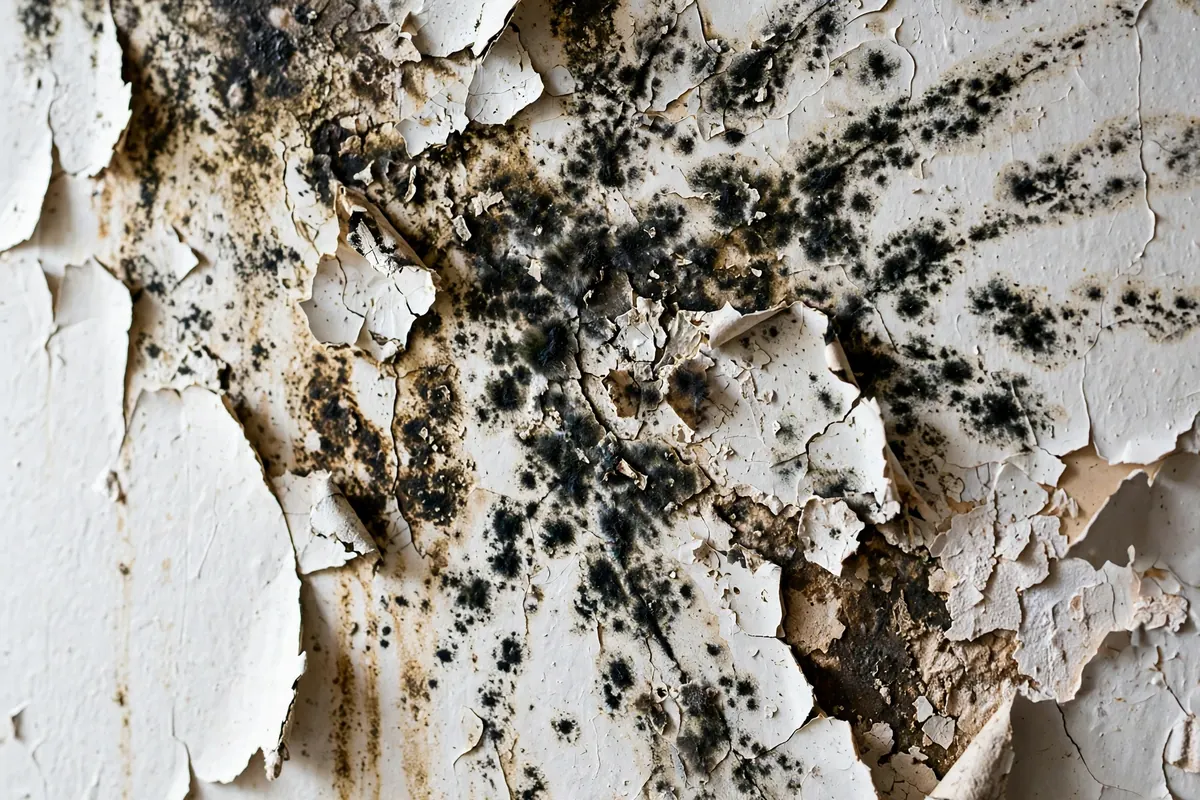
Humidity damage is slow, then sudden.
Every remediation fails eventually if the moisture stays. Humidity control is what makes a cleanup permanent.
The stack effect pulls basement air upward. A damp basement doesn't stay a basement problem.
Sweating pipes and ducts drip into ceilings and walls for years before anyone notices the stain.
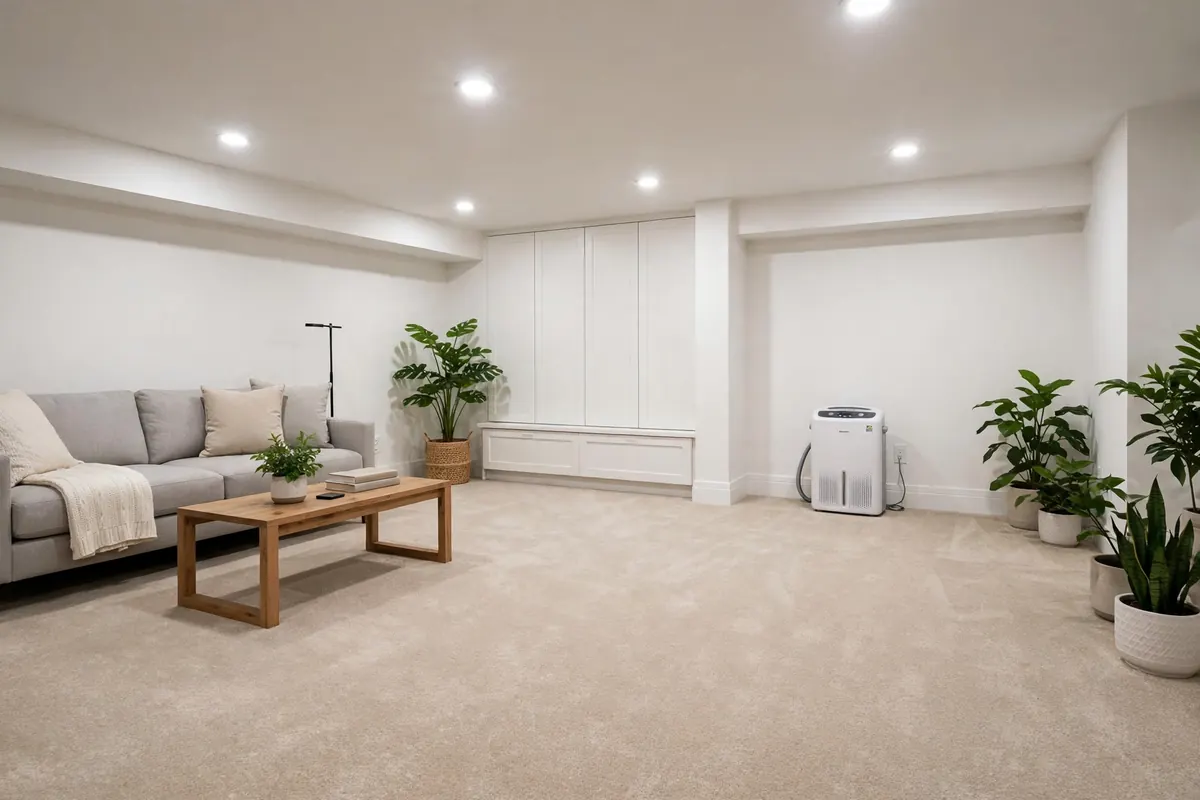
Anyone can sell a dehumidifier. Making a space hold 30–50% takes measurement and return visits.
Keep indoor relative humidity between 30 and 50 percent. Sustained readings above 60 percent let mold colonize drywall, wood, and fabrics — a ten-dollar hygrometer tells you where you stand.
Common causes: an undersized unit, no continuous drain (a full bucket shuts it off), air leaks around windows and rim joists, or bulk water intrusion no dehumidifier can overcome. We diagnose which one before recommending equipment.
One chronically damp room is a portable-unit job. Recurring whole-basement dampness, or humidity problems tied into your HVAC, usually calls for a permanently installed whole-home or dedicated basement unit with a drain line.
Best practice is a condensate pump discharging to a sink, sump pit, or exterior drain — or a gravity hose where slope allows. Relying on the bucket means the unit stops working the moment you're not there to empty it.
Not seeing your question? Our local team can help you understand urgency, scheduling and what to expect.
Ask the local team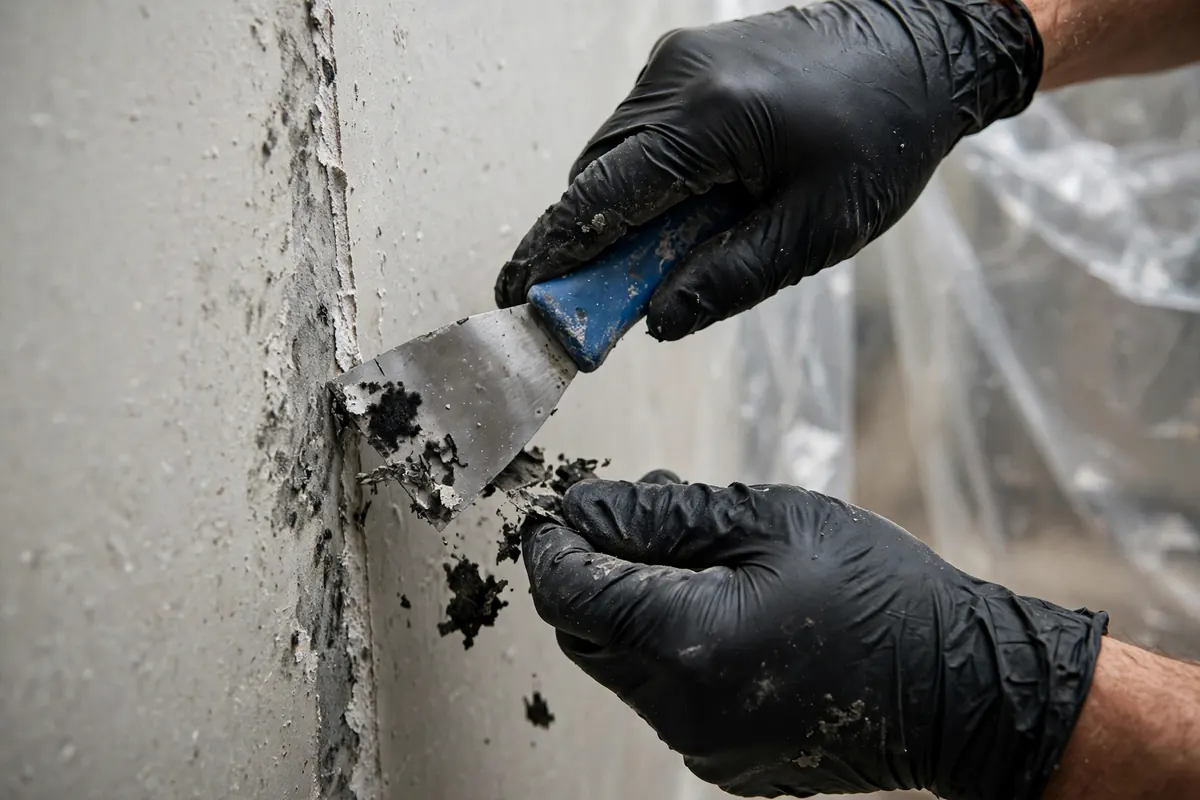
Our Black Mold Removal service is essential for homes with mold issues. It complements our Moisture Control & Dehumidification efforts by ensuring a thorough cleanup.
View service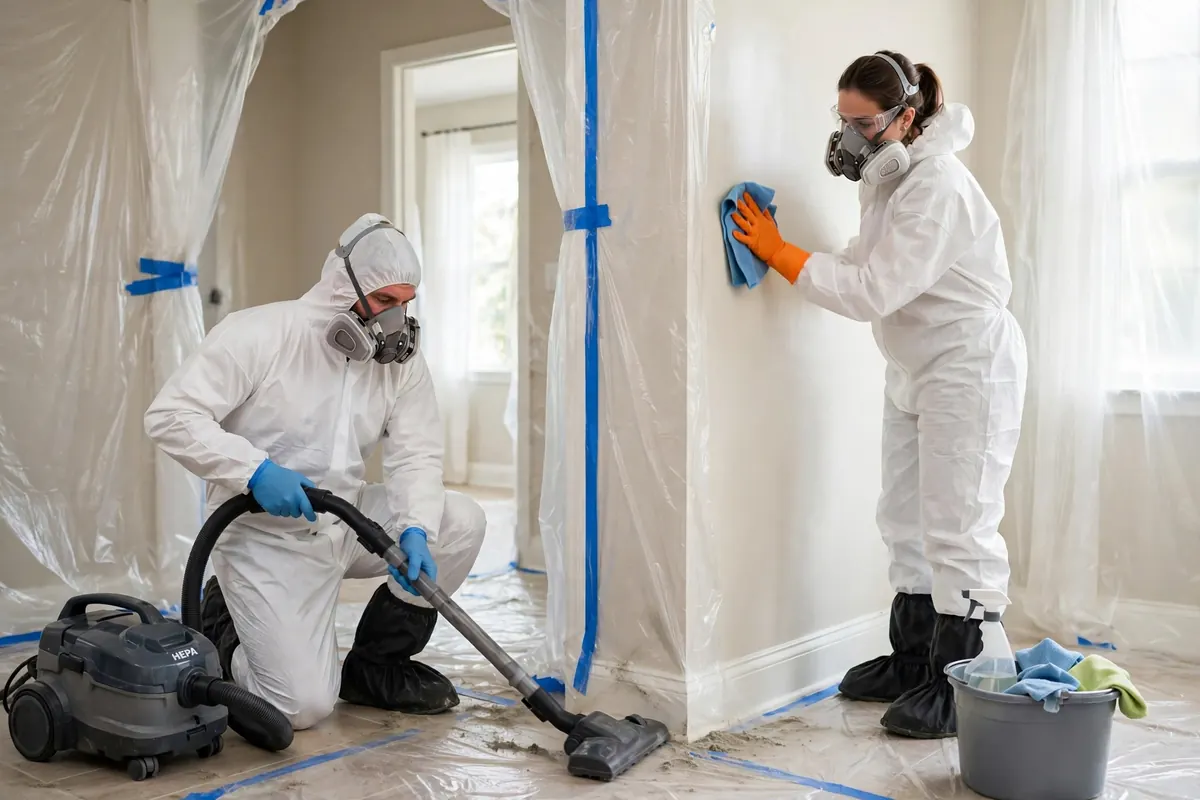
Mold Inspection & Testing helps identify hidden mold issues. This service is important before implementing Moisture Control & Dehumidification solutions.
View service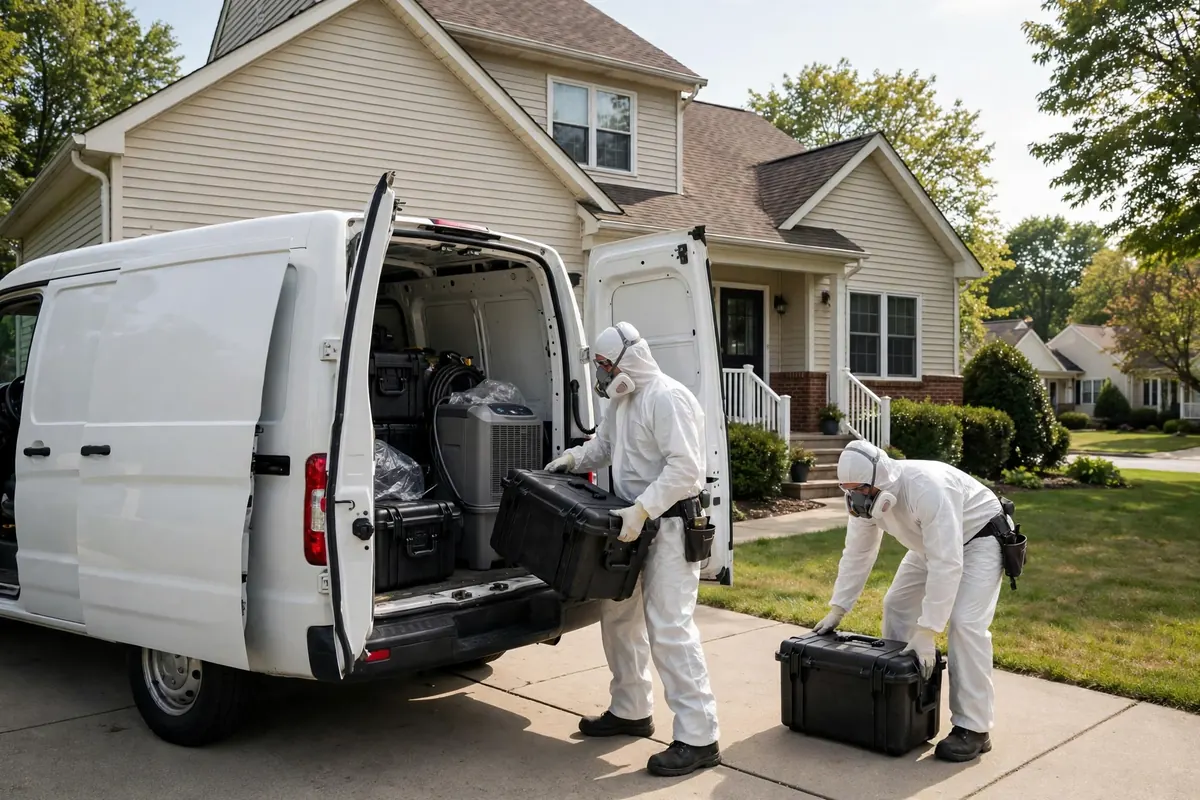
Our Air Quality Testing service assesses the air in your home for pollutants. It's a vital step in ensuring effective Moisture Control & Dehumidification.
View service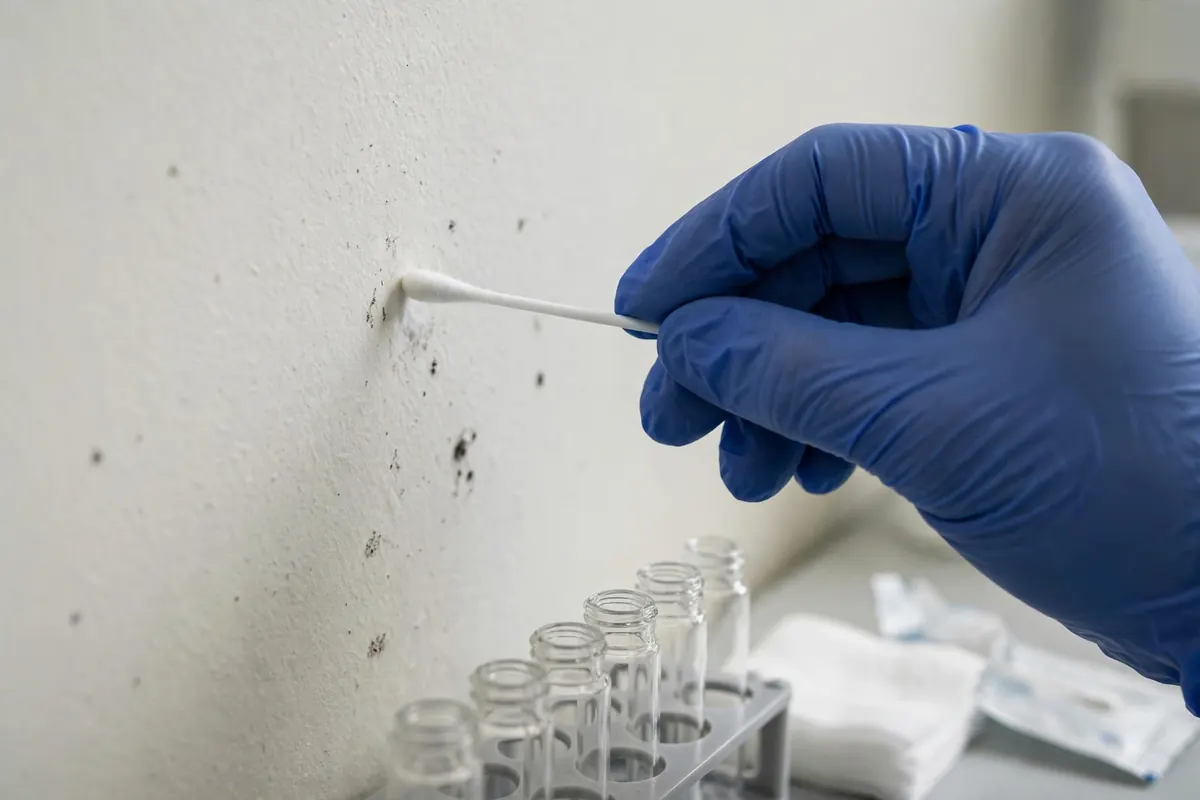
Mold Clearance Testing verifies that your home is mold-free after treatment. This service ensures the effectiveness of our Moisture Control & Dehumidification services.
View service
Humidity questions, a damp basement, or a unit that can't keep up? Message us — we talk moisture, not sales pitches, Monday to Friday.
Small spots turn into big jobs fast in New Jersey humidity. Call now and we'll schedule your inspection.
Call (973) 400-5618