Focused arrival windows
Useful updates and clear arrival timing.

Last updated: October 4, 2026
Your local West Orange teamWest Orange sits on the slope of South Mountain, which means great views — and water that runs downhill toward foundations every time it rains. The town's older homes, from Llewellyn Park Victorians to mid-century splits, deal with hillside seepage most flat towns never see. We sort out where the water's coming from, then deal with the mold it brought.
Useful updates and clear arrival timing.
Review the approach and price before deciding.
Equipped vehicles and respectful cleanup.
Neighbors serving neighbors with follow-through.
West Orange is built on a slope, and that single fact drives most of the mold calls in town. Homes perched on the ridges shed stormwater downhill, while properties in the lower pockets collect it. One side of town battles runoff pressing through foundation walls; the other fights slow accumulation in basements and crawl spaces that never quite dry out.
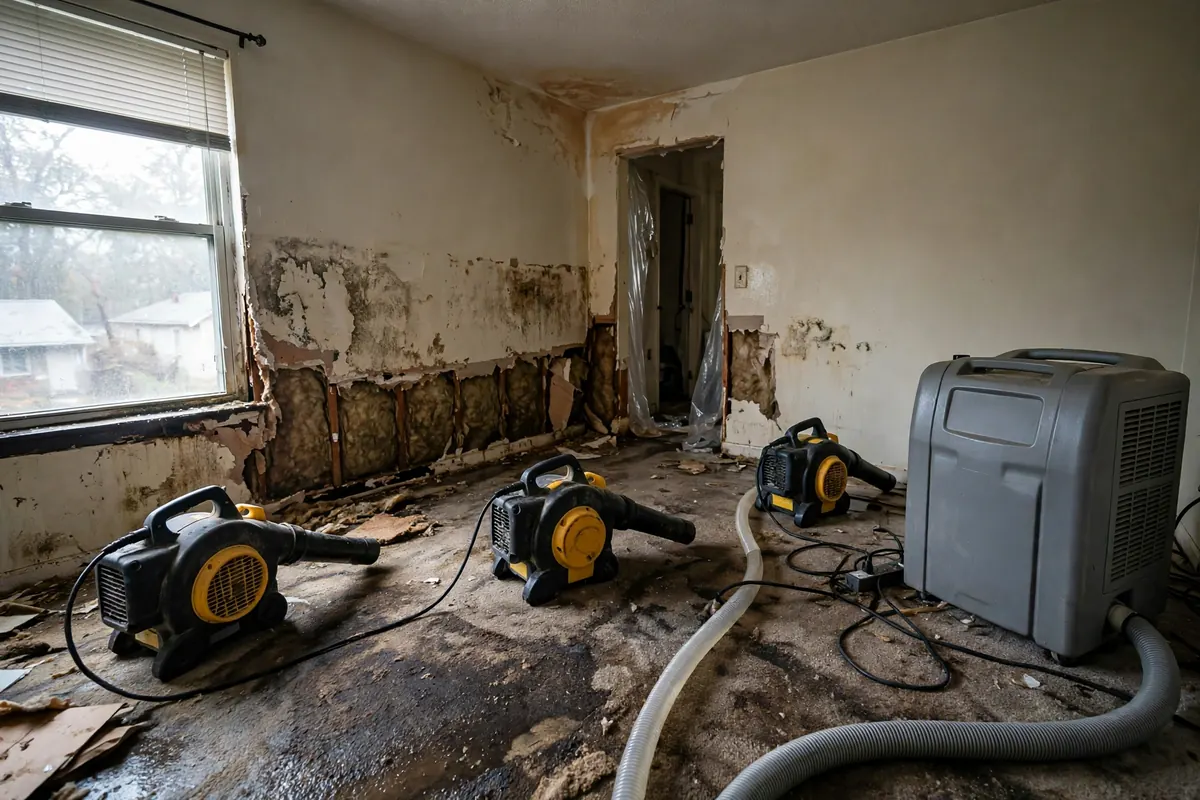
West Orange's housing runs the full range, from apartments to split-levels to large hillside estates, and no two jobs look alike. These are the services we bring to every one of them.
Older West Orange homes with stone foundations and aging plaster can hide black mold behind walls for years. We isolate the area, remove it under containment, and address the moisture source so it doesn't return.
View service →02Whether it's an apartment in the valley or a hillside colonial, inspections start with moisture mapping and thermal imaging, finding water before it becomes a colony.
View service →03Musty basements and stuffy attics are common complaints here. Air sampling tells us whether what you're breathing is a nuisance or a real problem.
View service →04After remediation, clearance testing confirms the job is done, documentation you can hand to a buyer, a landlord, or an insurance adjuster.
View service →05Valley-side homes collect groundwater after heavy rain. We handle the mold and recommend drainage fixes so the basement stays dry.
View service →06Hillside homes take wind-driven rain through aging roofs, and their attics bake in summer humidity. We remove the growth and fix the airflow behind it.
View service →07Low crawl spaces trap damp air. We clean, dry, and seal them against the chronic moisture that plagues homes on both slopes of the hill.
View service →08Bathrooms without exterior ventilation stay humid long after the shower. We remove recurring growth and recommend practical fixes that stick.
View service →09When ducts run through damp basements or hot attics, mold spreads through the whole house. We clean and sanitize the system end to end.
View service →Every job starts the same way: a conversation about what you've noticed, then a site visit. We map moisture, identify the source, and lay out a plan before anything is opened up. The work itself follows strict guidelines: containment first, removal second, drying and verification last. Scheduling is flexible, and we prioritize urgent calls.
We trace where the water is coming from, hillside runoff, valley seepage, or an aging plumbing line, because removing mold without fixing the source guarantees a callback.
Work areas are sealed under negative pressure so spores don't ride the HVAC into clean rooms. Your home stays livable while we work.
Materials are dried to measured targets, not guesswork, and clearance testing confirms the space is ready before containment comes down.
Licensed in New Jersey, so every job meets state requirements for safety and quality.
Our team works to federal environmental standards when handling mold and related materials.
Walk enough West Orange properties and the same culprits show up again and again. These are the four we remediate most often.
Rain shed from higher ground presses against downhill foundations. Cracks and porous stone let it in, and basements stay damp for weeks after a storm.
Lower-elevation properties accumulate groundwater and sit in the path of everyone else's runoff. Without drainage, the soil around the foundation stays saturated.
Homes backing onto Eagle Rock or South Mountain Reservation sit in perpetual shade. Tree cover keeps siding, decks, and crawl spaces damp long after the rain stops.
The Thomas Edison National Historical Park anchors a neighborhood of older homes with stone foundations and limited ventilation, beautiful houses and a haven for hidden moisture.
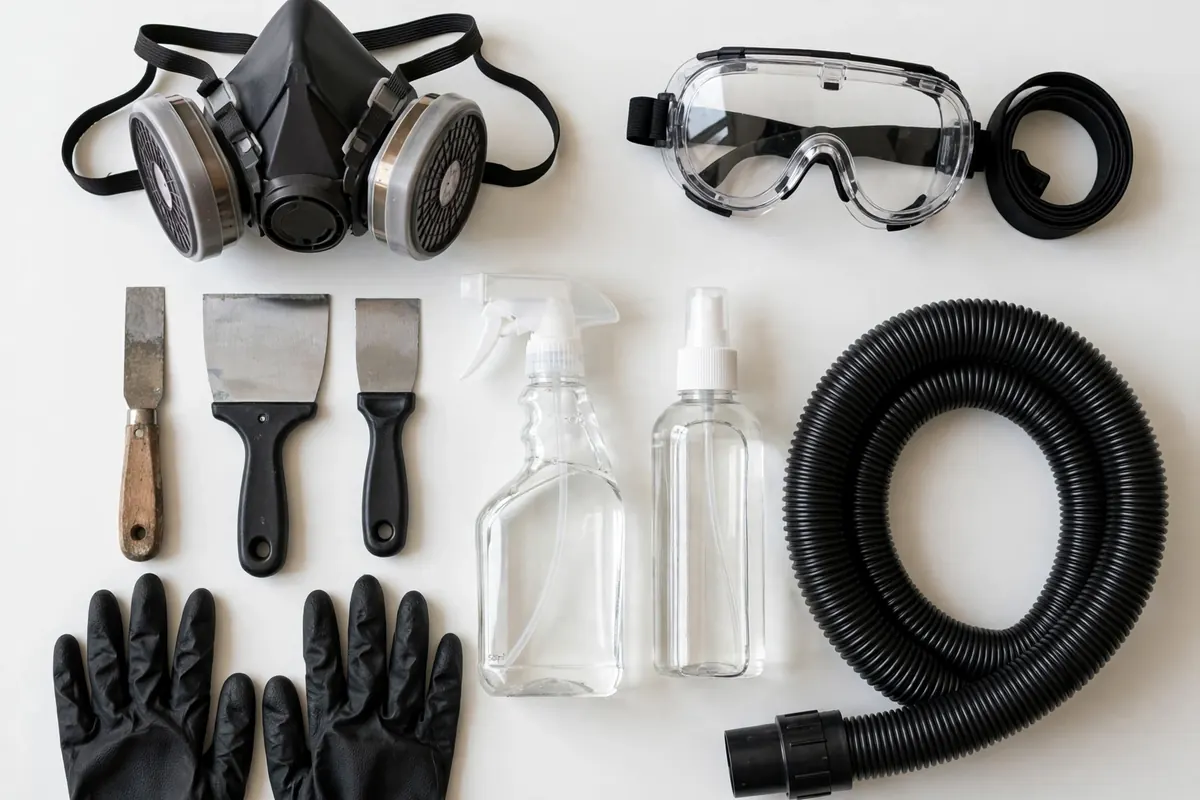
West Orange is built on a slope, and everything about mold here follows from that. Water runs downhill, it's that simple, and that consequential. Homes on the ridges shed stormwater toward the valley; homes at the bottom receive it. Add wooded edges along Eagle Rock and South Mountain Reservations that hold moisture in the air, and you get a township where drainage, not just humidity, is the real story.
Properties near the top of the slope push water downhill fast. If grading tilts toward the house instead of away from it, the foundation takes the hit every storm.
Lower homes inherit everyone else's water. Sump pumps and interior drainage aren't luxuries here; they're the difference between a dry basement and a chronic one.
Eagle Rock and South Mountain Reservations are West Orange's backyard, and a source of constant ambient moisture. Homes along the wooded borders stay damper, longer.
Around Llewellyn Park and the Thomas Edison National Historical Park, older homes sit on stone and mortar that wick water. Modern waterproofing meets 19th-century construction, carefully.
A garden apartment's mold problem is usually a plumbing or ventilation issue. A hillside estate's is usually a drainage issue. Same town, completely different playbooks.
Mature trees are part of West Orange's character, and they keep soil and siding damp. Gutters clogged with leaves make it worse, a small maintenance item with outsized mold consequences.
Most drainage failures we see are fixable: downspouts dumping at the foundation, soil pitched the wrong way, clogged gutters. We flag these on every inspection, because remediation without drainage is a loop.
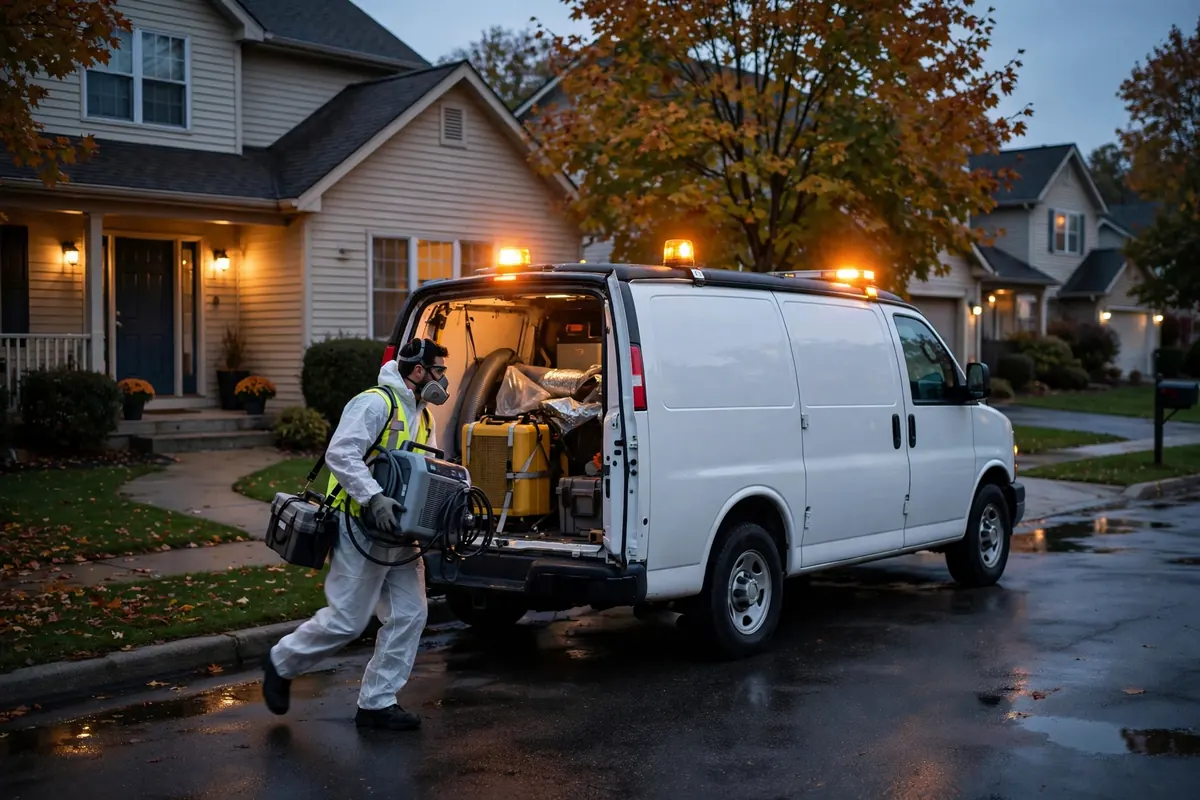
Elite Mold Experts proudly serves various neighborhoods in West Orange, ensuring that residents receive top-quality Mold Remediation services. Our team is familiar with the unique characteristics of each area. From Llewellyn Park and Pleasantdale to Gregory and Hutton Park, no part of town is outside our route.
This busy area is known for its lively community and older buildings, often requiring mold inspections and remediation. Our team can reach West Orange Town Center within 20 minutes.
West Orange Heights features homes with basements prone to moisture issues, making mold removal essential. We typically respond to West Orange Heights within 15 minutes.
This neighborhood is surrounded by greenery, contributing to humidity levels that can lead to mold growth. Our response time to West Orange Park is usually around 25 minutes.
Homes near Eagle Rock Reservation often face moisture challenges, necessitating regular mold inspections. We can arrive in Eagle Rock Reservation in about 30 minutes.
Every job teaches us something about this town. Here are three recent ones, described as patterns, because the addresses don't matter and the lessons do.
Storm runoff was finding its way through a foundation wall, feeding mold behind finished drywall. We opened the wall, removed the affected materials under containment, dried the structure, and gave the homeowner a clear explanation of the drainage fix needed outside.
Standing dampness in a low crawl space had spread mold across the joists. We cleaned and dried the space, then sealed it against the moisture that had been wicking up from saturated soil.
An older home near the Edison district had attic mold from years of poor ventilation and a slow roof leak. We remediated the growth and laid out ventilation improvements to keep the space dry.
West Orange's calendar of mold risk looks different from a flat town's. Here is how the year breaks down, and what to do about it.
The Newark-metro baseline tells the story — July highs near 85°F, roughly 47 inches of annual rain, and average humidity around 65% (climate-data.org). West Orange’s hills and valleys just redistribute that moisture unevenly.
Snowmelt and spring storms saturate hillside soil, and runoff finds every foundation crack.
Humid air settles into shaded, wooded lots and poorly ventilated attics.
Leaf-clogged gutters overflow and dump water at the foundation, the single most preventable mold cause we see.
Freeze-thaw cycles open tiny foundation cracks wider, and condensation forms on cold stone walls.
Elite Mold Experts also extends its Mold Remediation services to nearby cities, ensuring complete coverage across the region.
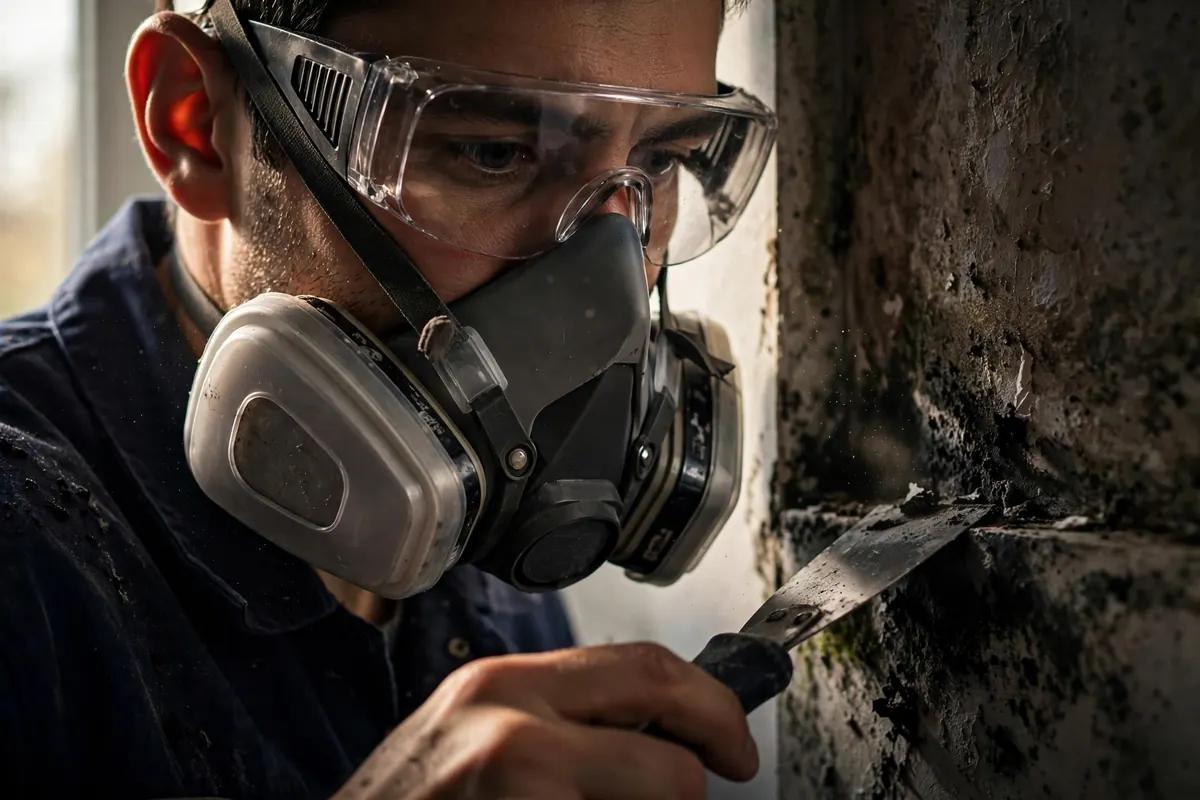
Harrison is about 10 miles from West Orange, making it a common area for our clients.
Local coverage and details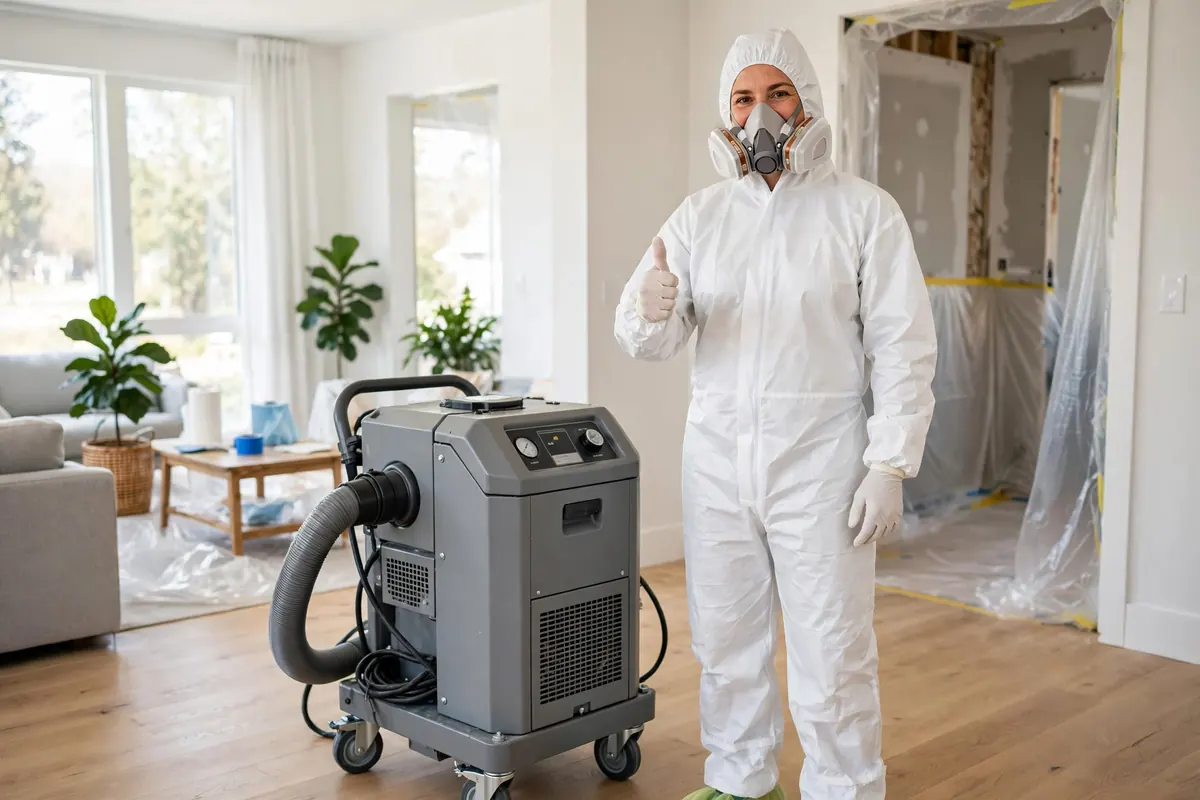
Kearny is approximately 12 miles away, and we frequently assist residents with mold issues.
Local coverage and details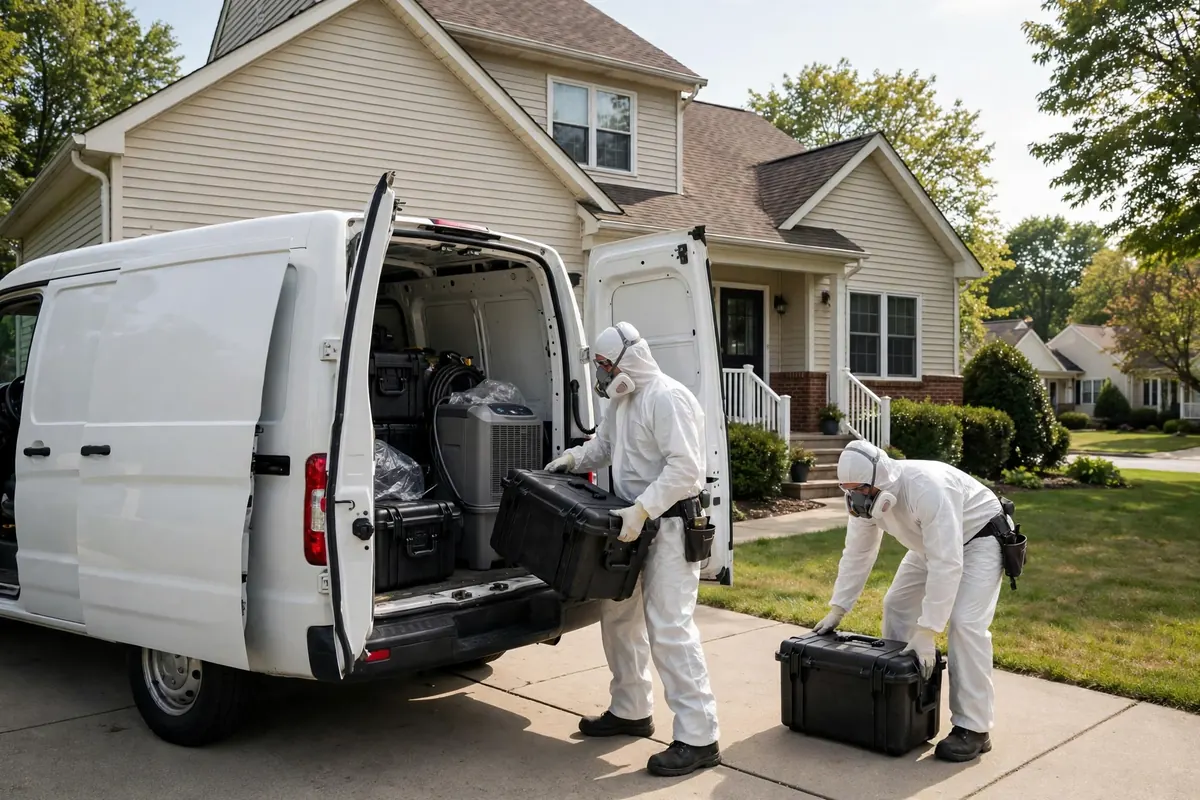
East Orange is just a short drive from West Orange, allowing for quick service response.
Local coverage and details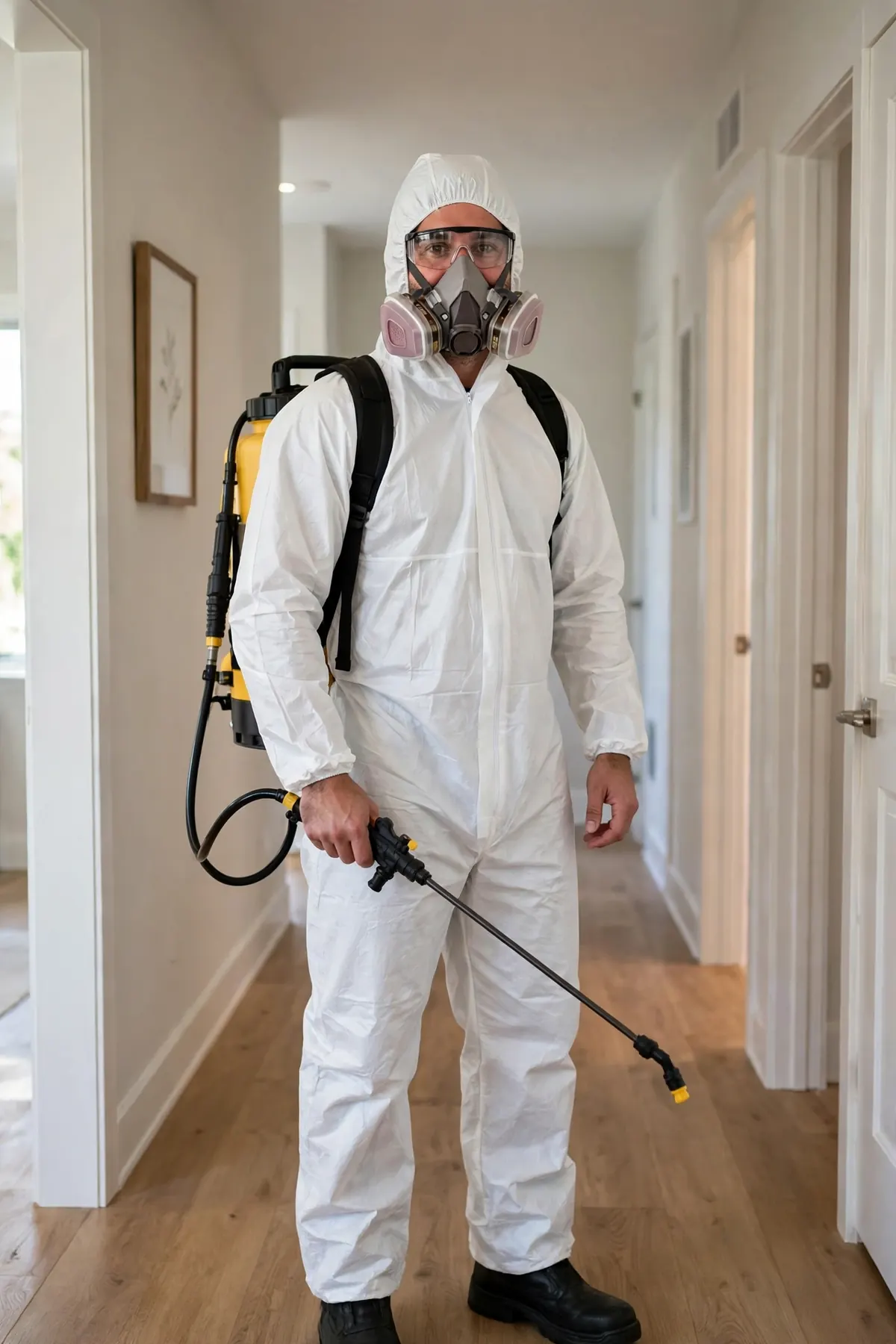
Irvington is located around 8 miles from West Orange, making it a frequent service area.
Local coverage and detailsThe right questions reveal more than any brochure. Ask every contractor these before you sign anything.
A contractor who only talks about removal, not water entry, is selling half a job. Ask how they will trace hillside runoff or valley seepage specifically.
New Jersey licensing is the baseline. Ask for the license and verify it, a legitimate company won't flinch.
Containment, negative air pressure, and HEPA filtration are the standard. If a contractor waves this off, keep looking.
The honest answer involves the moisture source, not a warranty on a spray. Ask what drainage or ventilation changes they recommend alongside remediation.
Clearance test results and a written scope of work matter for resale, insurance, and peace of mind.
License number provided on request
License number provided on request
Institute of Inspection, Cleaning and Restoration Certification
Contained work areas and protective equipment on every job
Insurance details provided on request
member
sponsor
If you’d like independent context on mold and health, the EPA’s mold guidance and the NJ Department of Health are the two sources we point people to.
ZIP codes we serve in West Orange: 07052.
ZIP codes we serve in West Orange: 07052
Water runs downhill — your foundation sits in the path of everything above it. If the grading pitches toward the house or the downspouts dump at the foundation, every storm pushes water against your walls. We map the drainage path and remediate the mold, then tell you exactly what to fix outside so it stops recurring.
No. Valley-side homes collect groundwater and their neighbors’ runoff, but interior drainage, a working sump pump, and sealed entry points keep basements dry. Remediation handles the existing mold; the drainage work keeps it from coming back.
Yes. Older homes around Llewellyn Park often have stone foundations, plaster walls, and limited ventilation, which call for a gentler approach. We contain carefully, preserve original materials where possible, and account for the way these houses breathe differently than modern construction.
Wooded lots near Eagle Rock or South Mountain Reservation stay damper because tree cover blocks sun and airflow. That doesn’t make mold inevitable — it means gutters, grading, and ventilation matter more for you than for most. We build that into the plan.
Completely. Apartment mold is usually driven by plumbing leaks or poor ventilation — a building-systems problem. Hillside homes are usually driven by drainage and runoff — a water-management problem. The techniques overlap, but finding the source requires different thinking, and we do both.
Not seeing your question? Our local team can help you understand urgency, scheduling and what to expect.
Ask the local team
We invite you to reach out for any mold remediation needs. Our team is available Monday to Friday, with quick response times to your inquiries.
Small spots turn into big jobs fast in New Jersey humidity. Call now and we'll schedule your inspection.
Call (973) 400-5618