Sealed, not just covered
Walls, piers, and seams — not a sheet tossed on the dirt.
Last updated: October 4, 2026
Your crawl space is part of your house — treat it like oneHalf the air you breathe upstairs started in your crawl space. Sealing it — liner on the ground and walls, vents closed, drainage handled, humidity controlled — turns a damp, mold-prone void into a dry, conditioned part of your home.
Walls, piers, and seams — not a sheet tossed on the dirt.
Bulk water gets a path out before anything gets sealed in.
A dedicated unit matched to your crawl space's square footage.
Photos of every layer, plus humidity readings after install.
A ground-only vapor barrier isn't encapsulation. A real job seals the whole envelope and manages the water and air inside it.
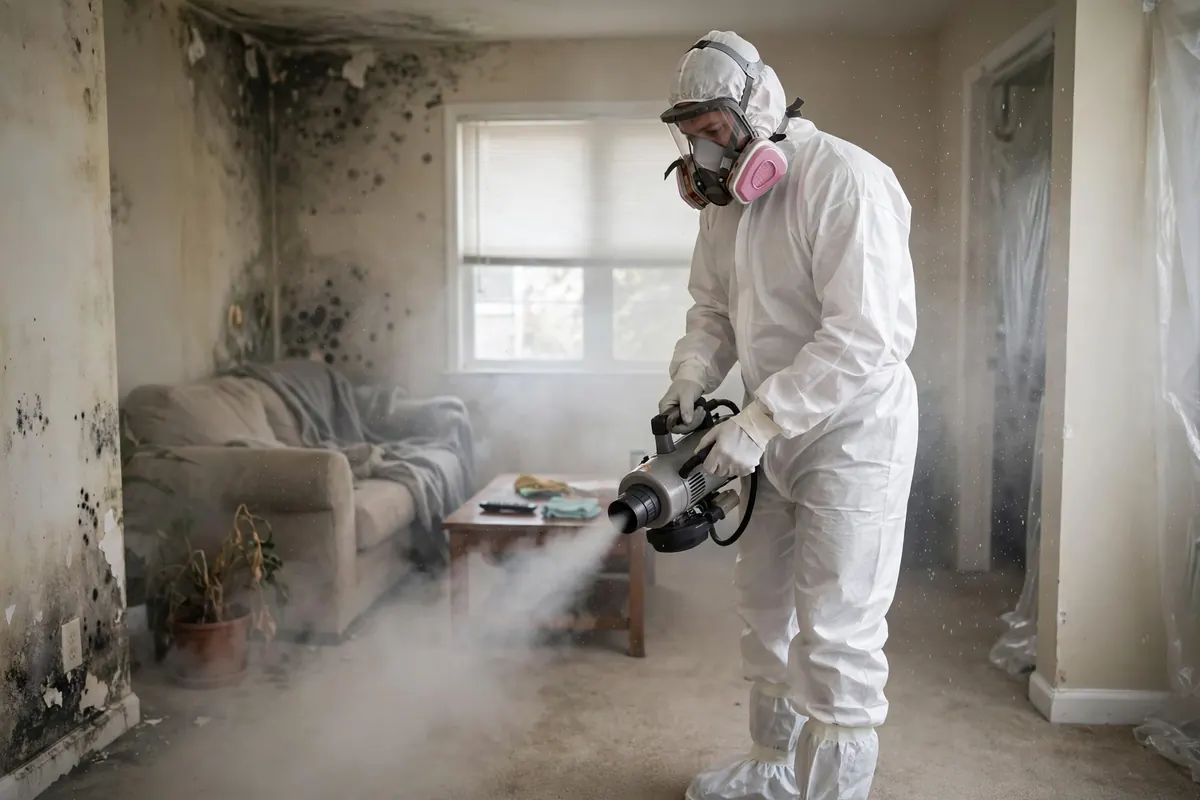
Debris out, any existing mold remediated — the liner never seals contamination inside.
Interior drainage, sump routing, and grading corrections so bulk water has somewhere to go.
Heavy-duty liner across ground, walls, and piers, with sealed seams and fastened edges.
Vents and gaps closed, then a dedicated dehumidifier holds humidity in the safe range.
We'll inspect the space and tell you honestly whether full encapsulation is warranted.
Warm air rises — which means the damp, musty air in your crawl space is constantly being drawn up through floors and wall cavities into the rooms where you live. That's the stack effect, and it's why a vented dirt crawl space gives you musty odors, cupping floors, and mold-friendly humidity upstairs.
Encapsulation breaks that cycle: the ground and walls get a sealed liner, outside air stops pouring in through vents, drainage handles bulk water, and a dehumidifier keeps relative humidity where mold can't thrive. The crawl space becomes a dry buffer instead of a moisture engine.
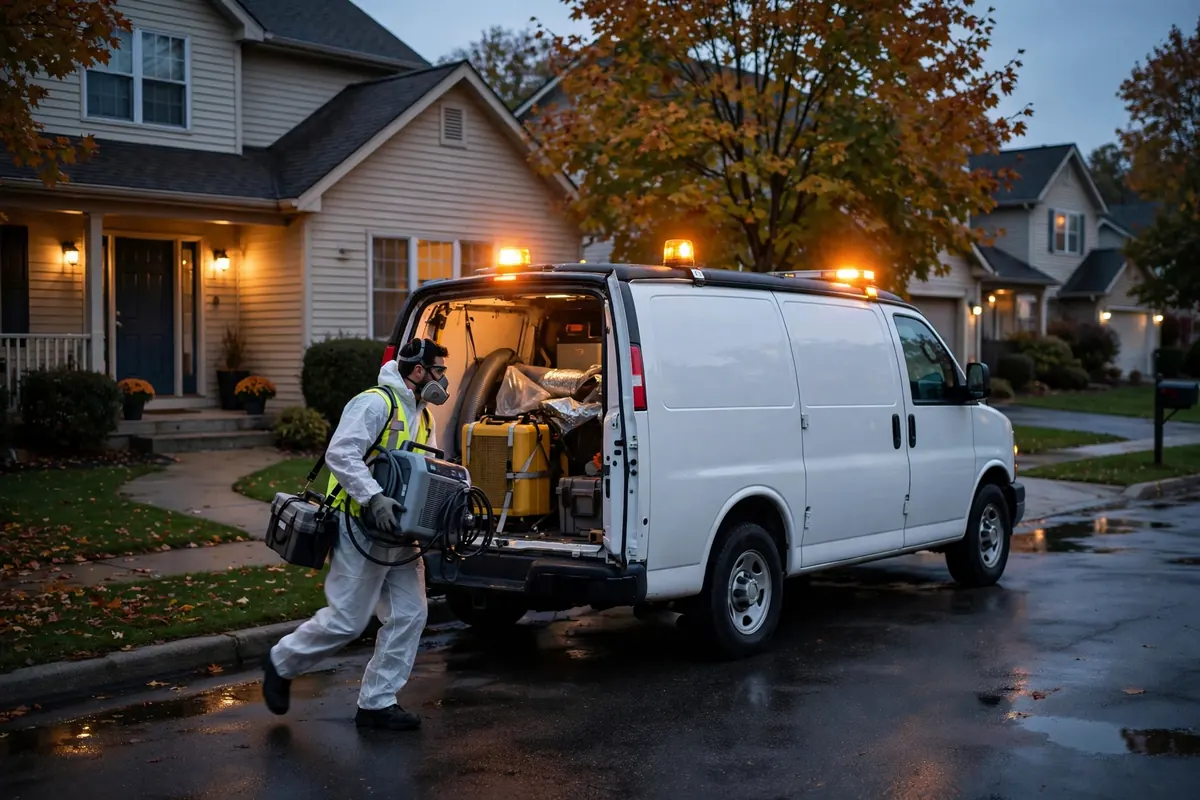
We assess moisture, drainage, mold, and access — then size the liner and dehumidifier to the space.
Debris removed and any mold on framing treated, so the liner seals a clean space.
Drainage matting, sump routing, or grading corrections go in before any liner.
Liner across ground, walls, and piers; seams sealed, vents closed, edges fastened.
Dehumidifier installed and drained; final humidity readings confirm the space holds dry.
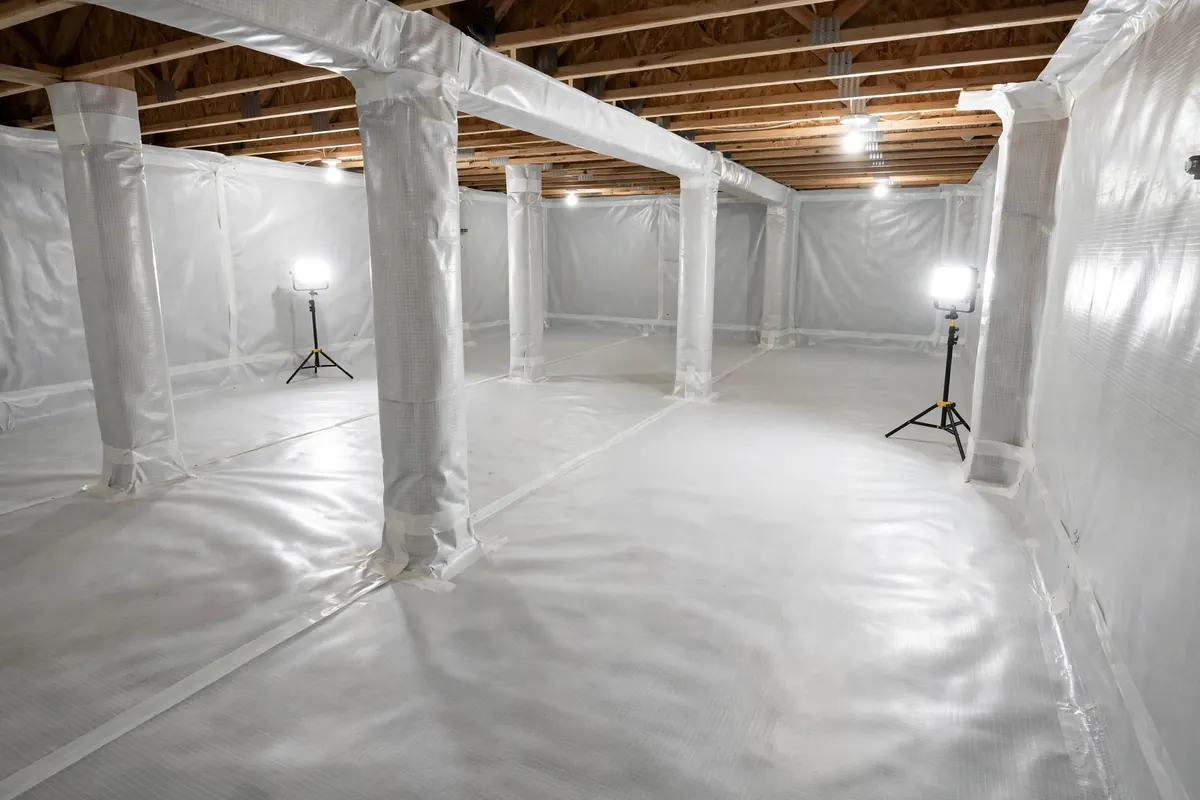
Heavy-duty polyethylene across ground, walls, and piers — far tougher than thin poly sheeting.
Sealed, mechanically fastened seams so the envelope stays airtight for years.
Channels bulk water to a sump instead of letting it pool under the liner.
Compact high-capacity unit with a condensate pump — no buckets, no babysitting.
We follow standards for mold remediation and encapsulation, ensuring high-quality service.
Seals rim joists and sill plates where outside air leaks in hardest.
We verify humidity holds in the safe range after install — and show you the readings.
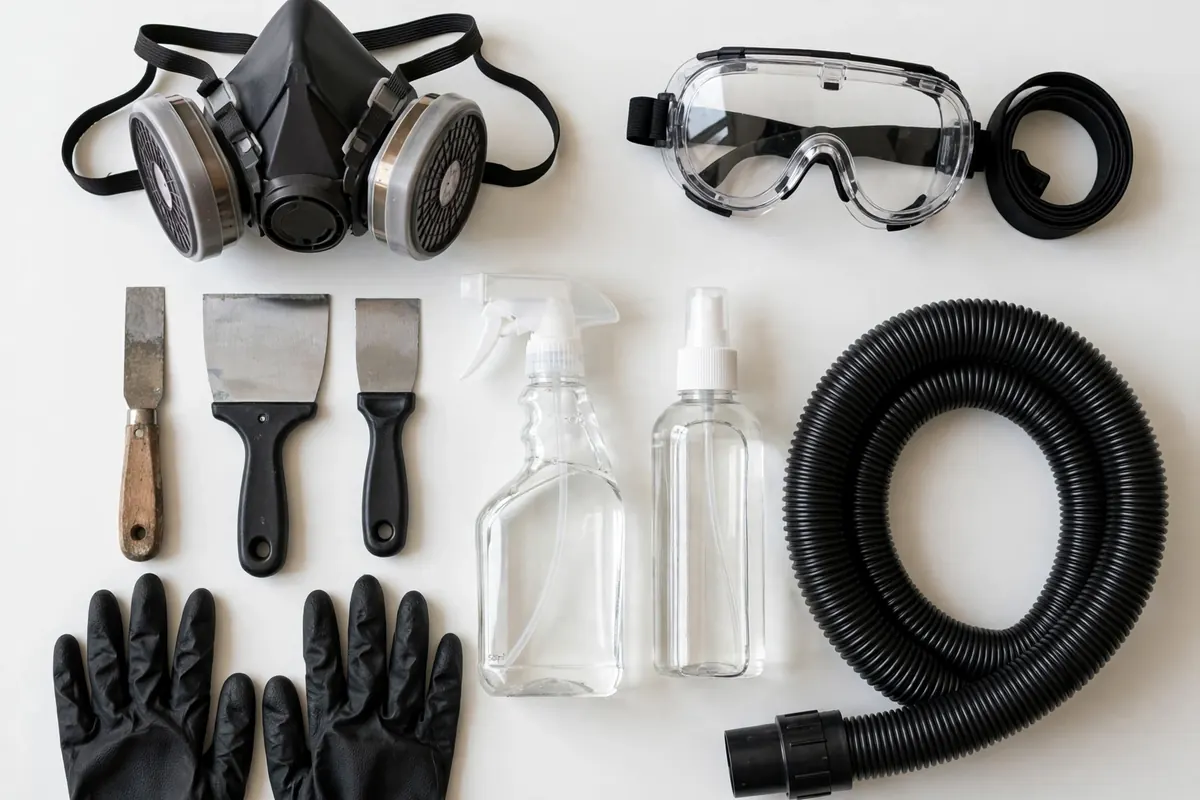
That smell is the stack effect at work — your house is breathing crawl space air. Sealing the envelope cuts it off at the source.
Bulk water needs drainage first, then encapsulation. A liner over a puddle just hides the problem.
An open vented crawl space is a wind tunnel under your house. Sealing and insulating it stabilizes floor temperatures.
Newark's housing stock is full of low, vented crawl spaces under pre-war and post-war homes — exactly the design that imports humid summer air and traps it against cool dirt. Add a high water table near the rivers and nor'easters that drive rain sideways, and most crawl spaces here are fighting moisture year-round.
Old-school vented design pulls humid outdoor air straight under the house all summer.
Near the Passaic and the Meadowlands, groundwater sits close to the surface after storms.
Flat lots and settled soil send rainwater toward the foundation instead of away.
Slow drips from pipes routed through the crawl space keep wood damp for months.
Many older homes never had one — bare dirt breathing moisture straight up.
Bare dirt, open vents, musty odor rising into the kitchen and living room.
Full liner, sealed vents, dedicated dehumidifier — the odor is gone and floors feel warmer.
Maintenance: Glance at the dehumidifier's humidity readout seasonally; keep the drain line clear.
Puddles under the house after every heavy rain, joists staying damp for weeks.
Drainage matting and sump routing move water out; liner stays dry on top year-round.
Maintenance: Test the sump pump before storm season and keep gutters discharging away from the house.
Surface mold across joists and subfloor from years of trapped humidity.
Joists remediated first, then sealed in — clean wood in a dry, conditioned space.
Maintenance: Annual visual check of the liner and a humidity reading confirm everything is holding.
Encapsulation isn't cosmetic — it fixes the moisture engine driving problems throughout the house.
The stack effect pulls crawl space air into your living space. Sealing the envelope stops the odor at its source.
Chronic dampness softens framing over years. A dry crawl space protects the structure holding up your home.
Sealing and insulating the crawl space stabilizes floor temperatures and eases the load on your heating system.
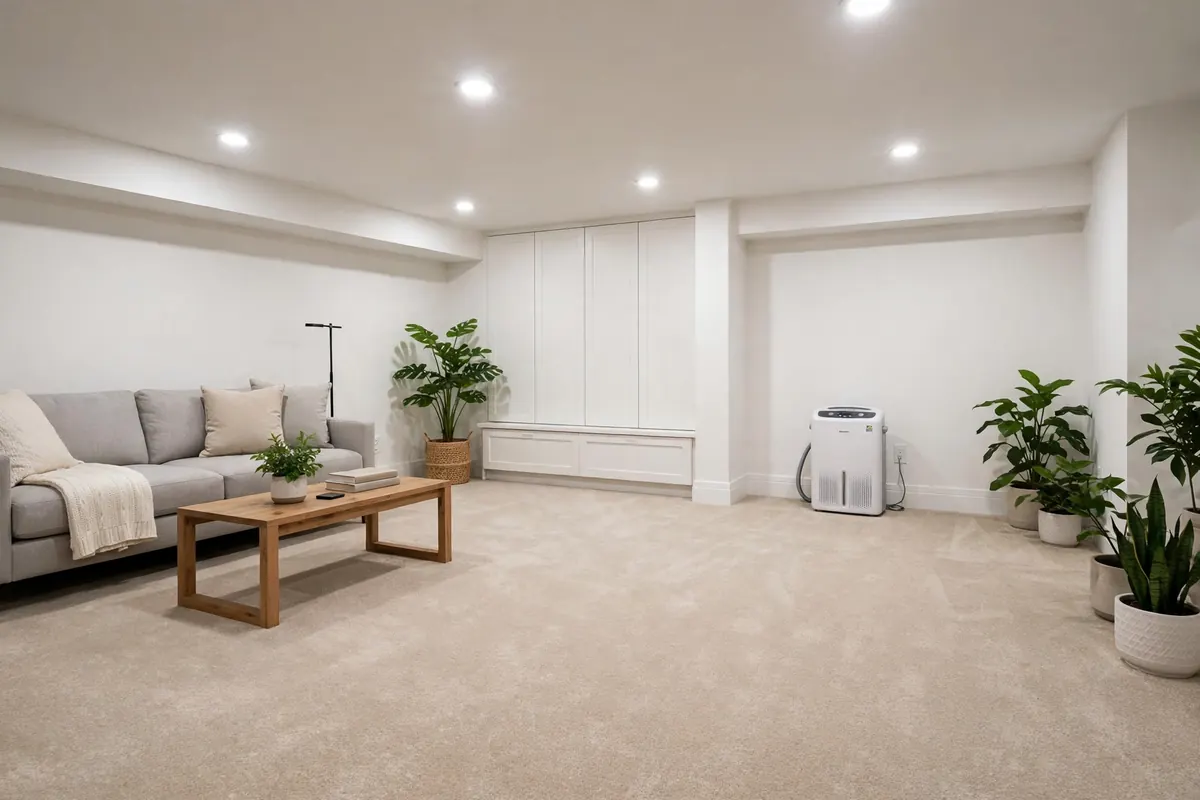
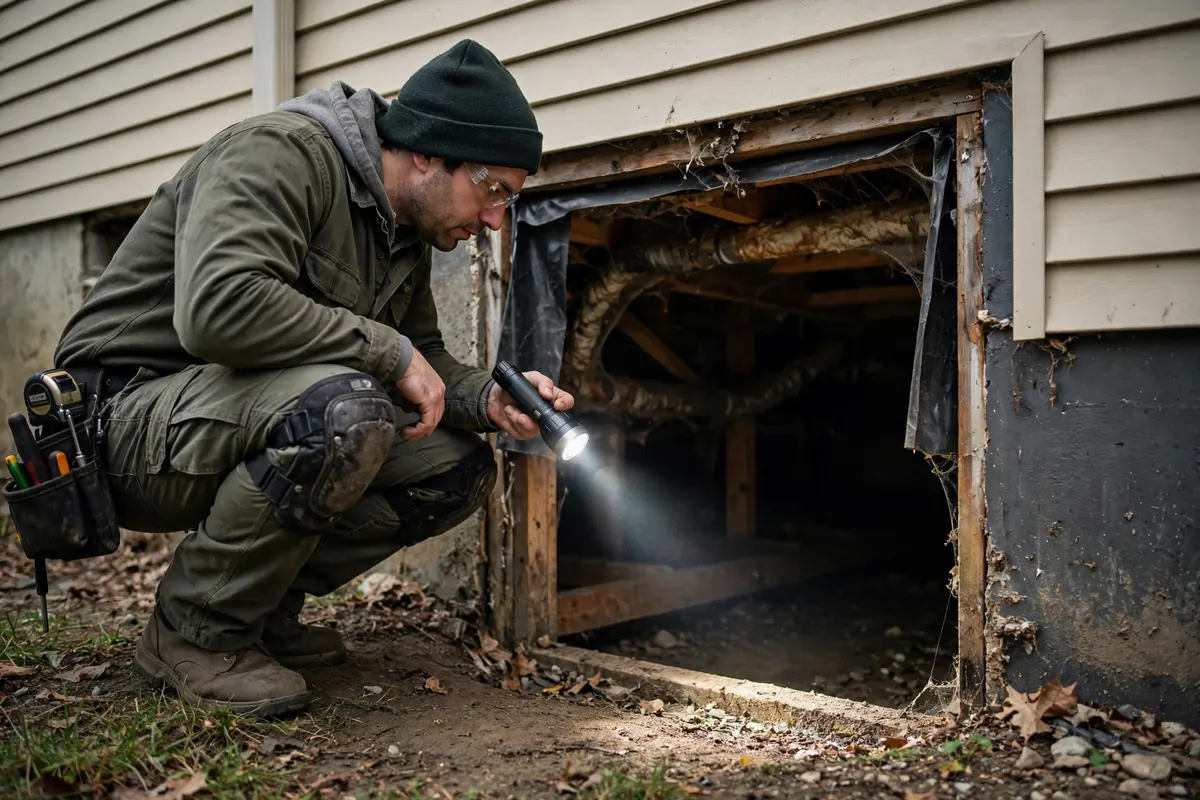
Anyone can lay plastic on dirt. Real encapsulation is building science: drainage, air sealing, vapor control, and right-sized dehumidification working as one system.
A ground-only vapor barrier covers the floor. Full encapsulation seals the walls, piers, and seams too, closes the vents, and pairs the liner with drainage and a dedicated dehumidifier — turning the crawl space into a dry, conditioned part of the building envelope.
In most cases, yes. The stack effect pulls crawl space air upward into your living space, so a damp crawl space smells like a damp house. Sealing and drying the crawl space cuts off both the moisture and the odor at the source.
Yes. The liner blocks ground moisture, but humid outdoor air still finds its way in. A dedicated crawl space dehumidifier sized to the square footage keeps relative humidity in the safe range year-round.
Not before cleanup. Mold on joists and subfloor has to be remediated first — encapsulation goes over clean, dry surfaces. We handle both steps in sequence so the liner never seals contamination inside.
Not seeing your question? Our local team can help you understand urgency, scheduling and what to expect.
Ask the local team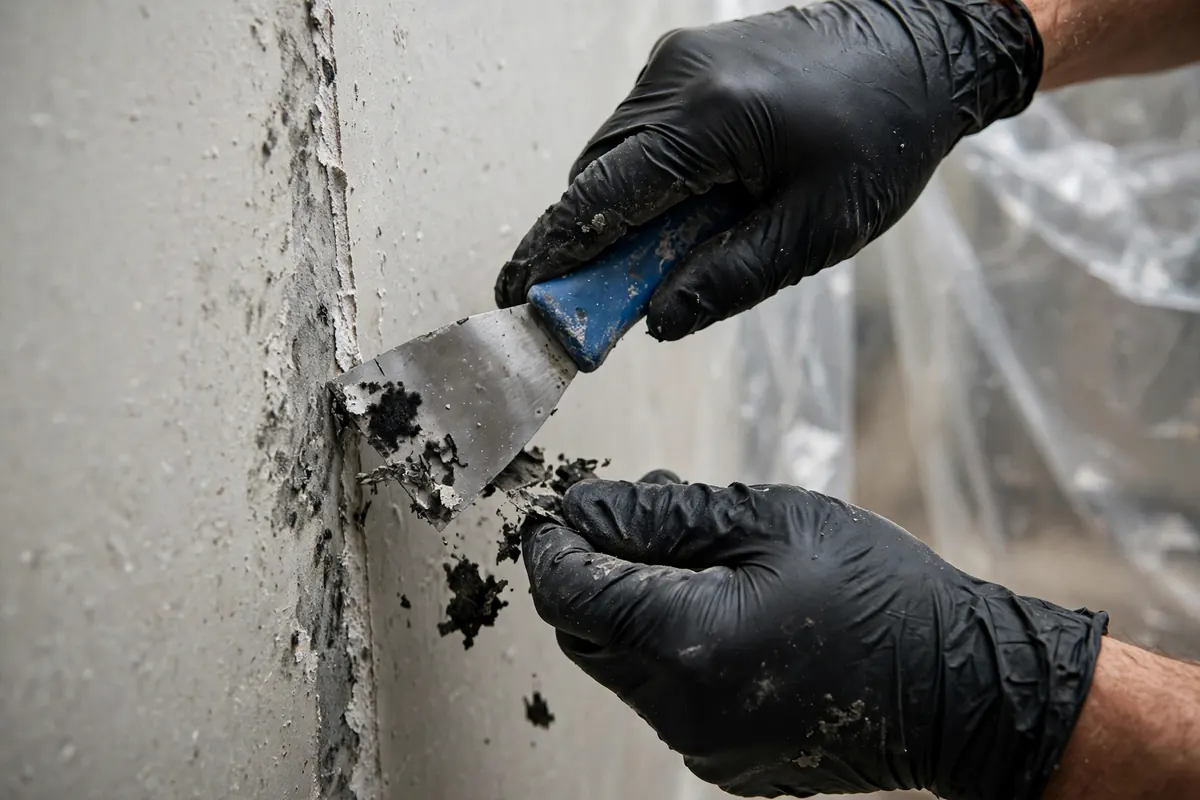
Black Mold Removal is essential for homes with existing mold issues. It complements Crawl Space Encapsulation by ensuring that any existing mold is eradicated before sealing.
View service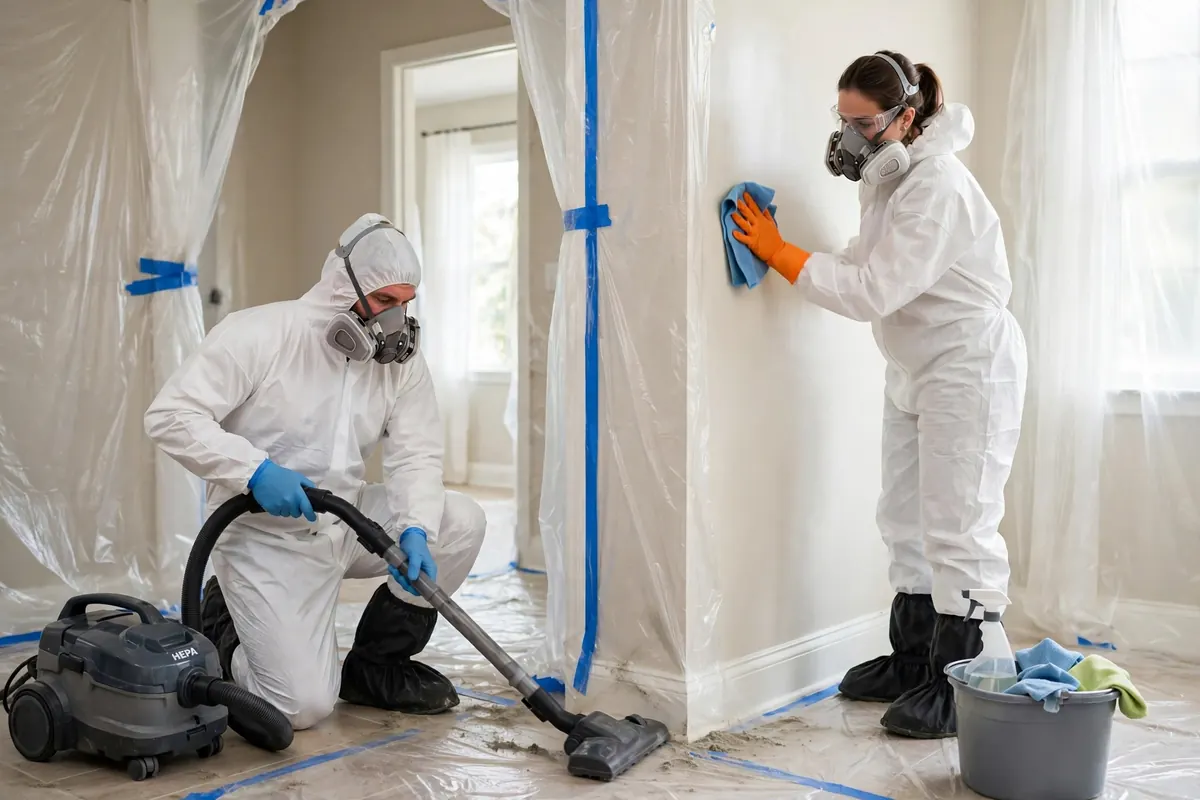
Mold Inspection & Testing is important before Crawl Space Encapsulation. It identifies mold presence and helps tailor the encapsulation process to your specific needs.
View service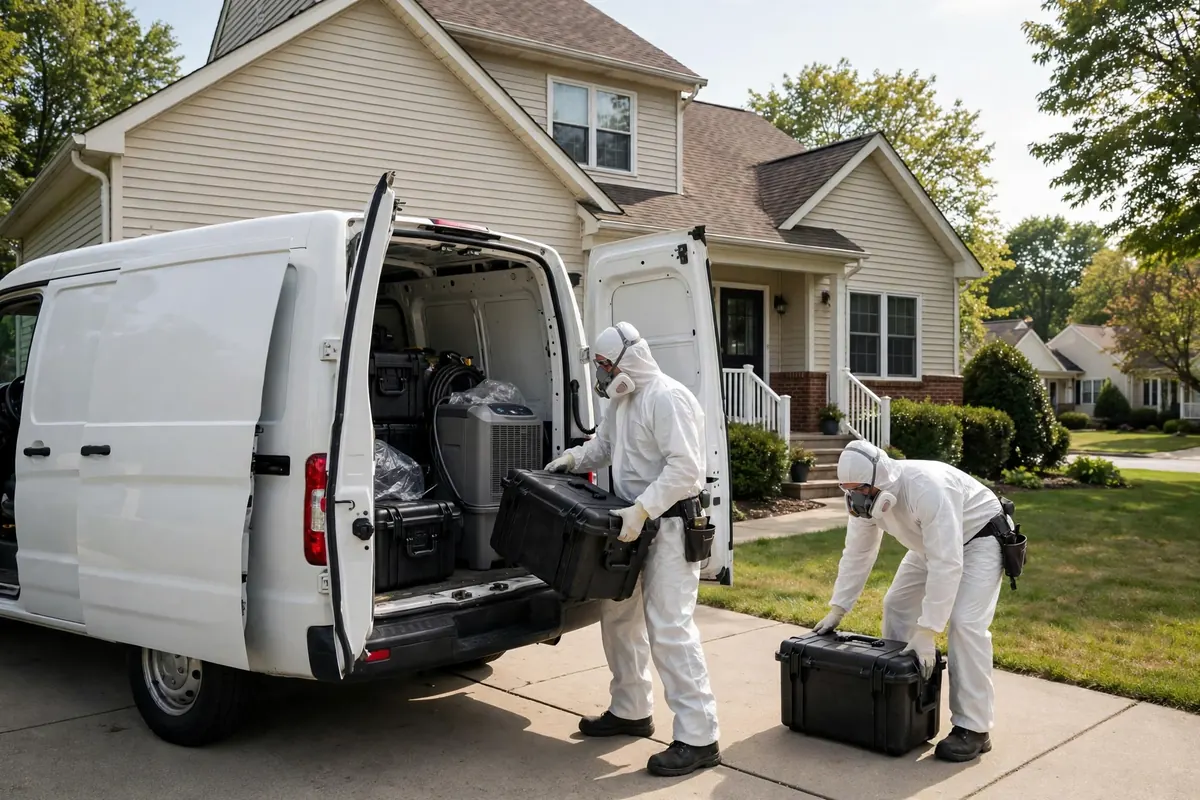
Air Quality Testing evaluates indoor air conditions. This service is vital for homeowners considering Crawl Space Encapsulation to ensure a healthy living environment.
View service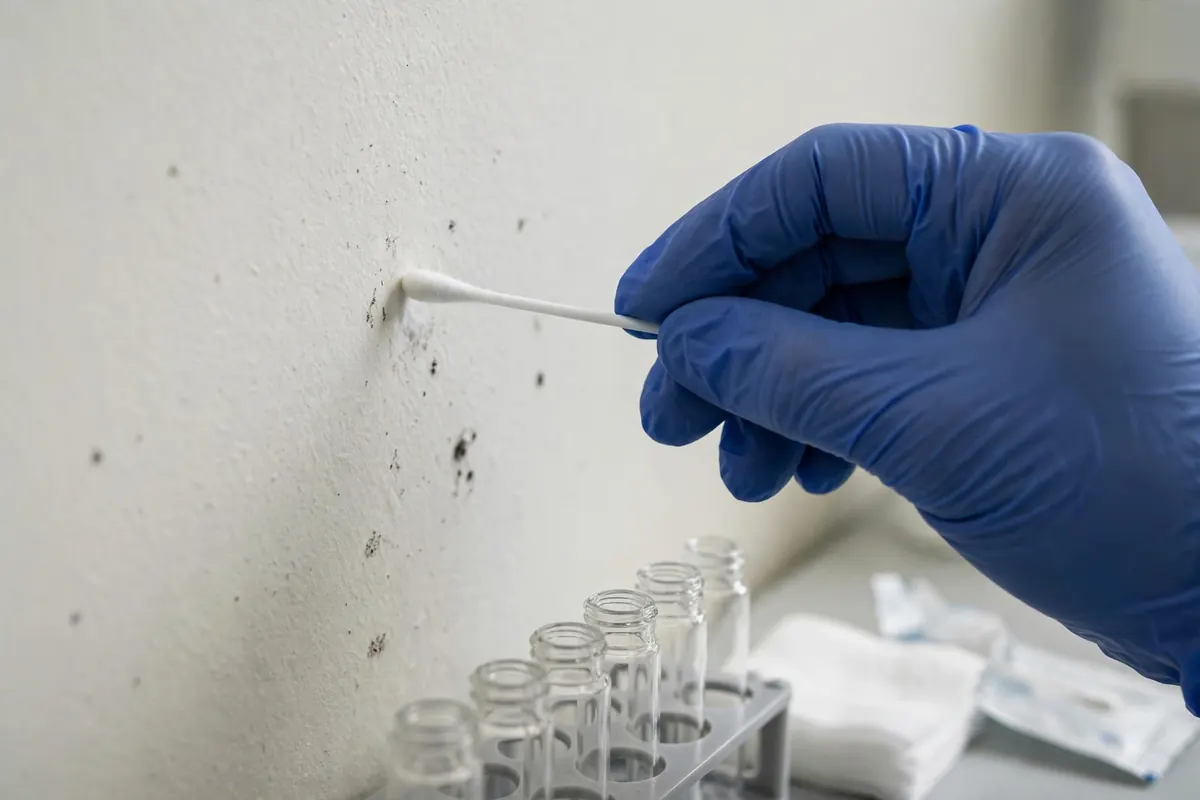
Mold Clearance Testing ensures that mold has been effectively removed before encapsulation. This step is important for maintaining a safe and healthy crawl space.
View serviceWe bring this service to homes and businesses across Newark and the surrounding communities.
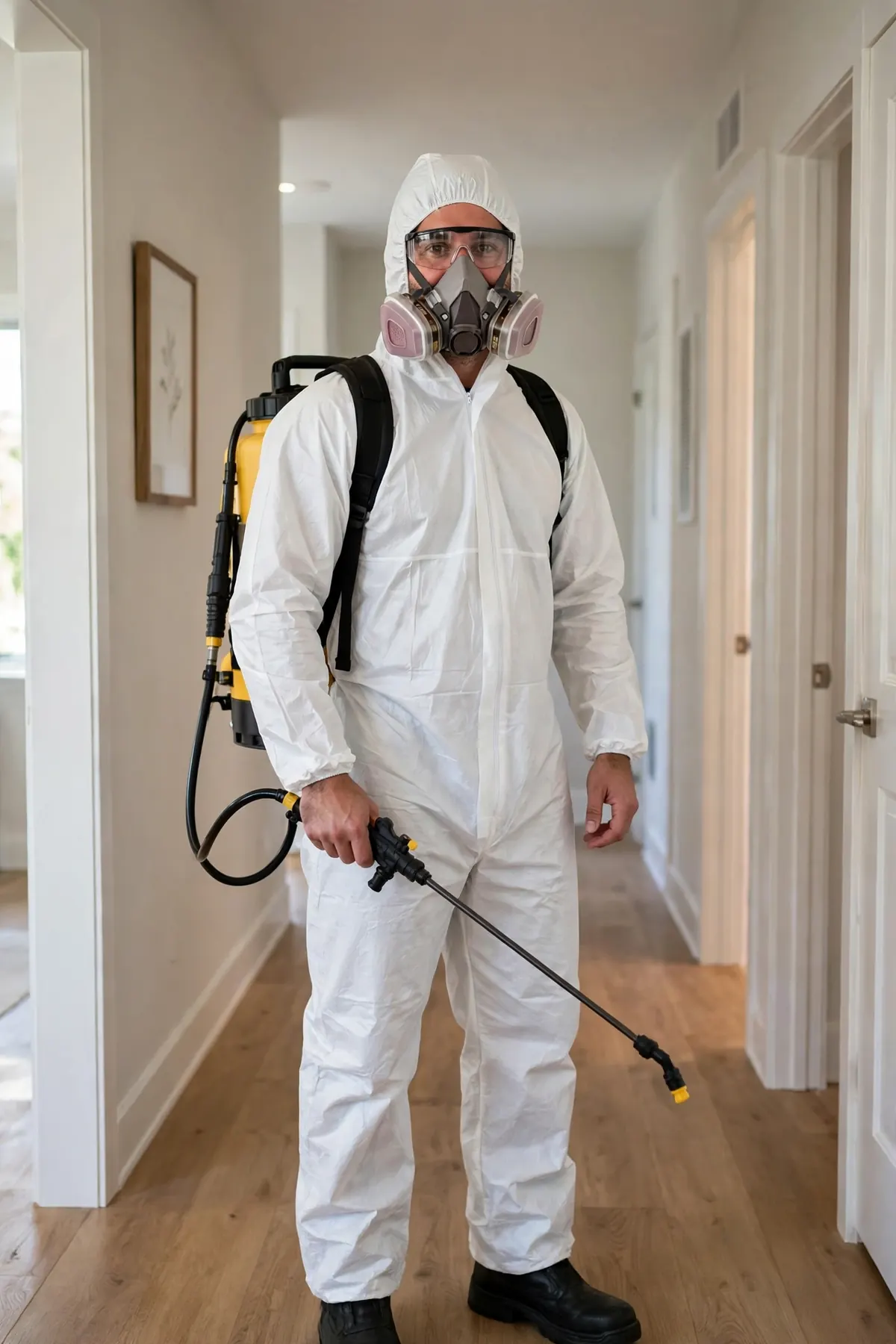
Wondering if encapsulation makes sense for your home? Reach out — we'll inspect the space and give you a straight answer, not a sales pitch.
Small spots turn into big jobs fast in New Jersey humidity. Call now and we'll schedule your inspection.
Call (973) 400-5618