Rapid dispatch, day or night
Emergency calls jump the schedule — drying equipment rolls first.
Last updated: October 4, 2026
When mold can't wait, neither do weA burst pipe at midnight, sewage backing up into a basement, mold spreading through your vents — these don't keep office hours. Our emergency crew prioritizes active water and contamination events across Newark: we stop the damage first, then handle the mold.
Emergency calls jump the schedule — drying equipment rolls first.
We stabilize the source before touching the mold.
Barriers and negative air go up before any demolition.
Clear scope and pricing even in the middle of a crisis.
An emergency visit isn't a planned remediation — it's a rapid-response sequence: stabilize, contain, extract, dry, then remediate. Here's what that covers.
We locate the water source and map the contamination fast, so the plan targets the real problem.
Standing water comes out and air movers plus dehumidifiers go in — drying starts before mold work.
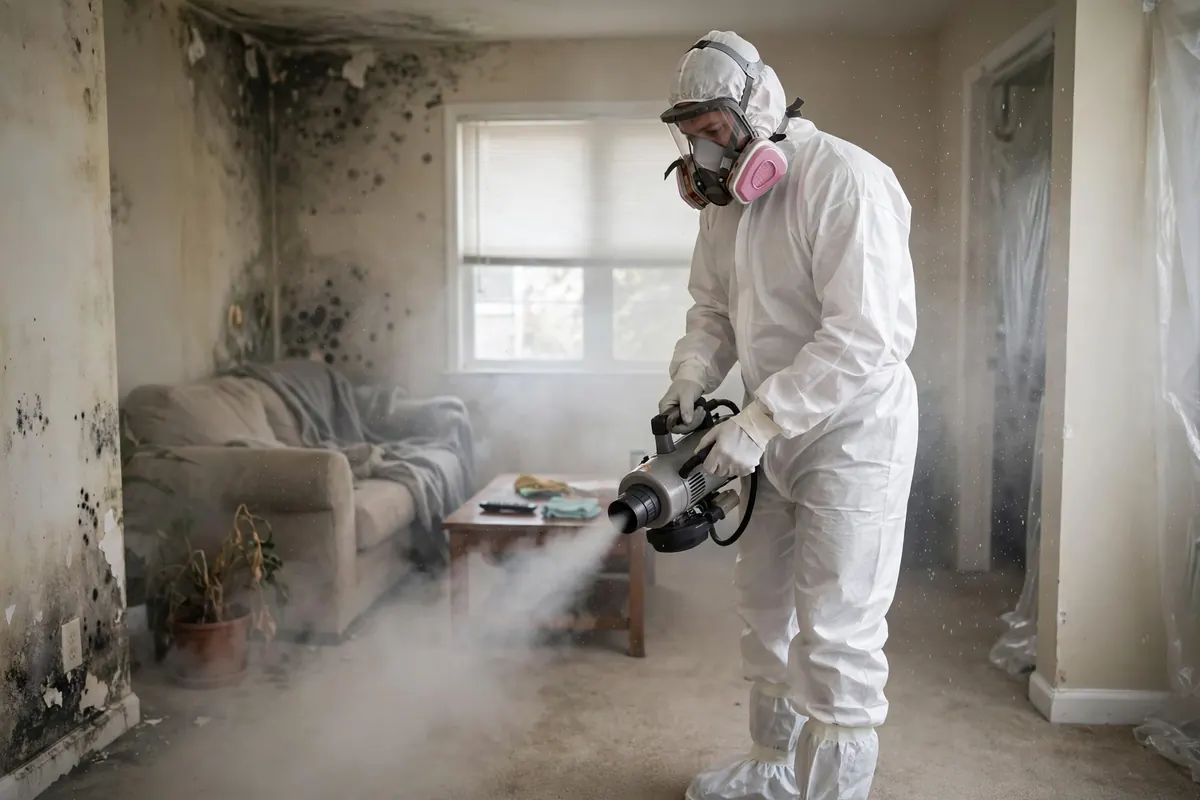
Affected zones get sealed under negative air, then contaminated materials are removed safely.
Moisture readings and a final walkthrough confirm the space is dry and clean before we leave.
Tell us what's happening — you'll get a clear next step, not a voicemail.
Mold becomes an emergency when water is still moving, contamination is spreading, or sewage is involved. In those first hours the job isn't really about mold yet — it's about stopping the clock: kill the water source, get the space dry, and keep spores from traveling. Remediation follows once the structure is stable.
Newark's older housing stock makes this worse — flat roofs, aging pipes, and basement apartments mean water events turn into mold events fast. Our emergency line exists for exactly that gap between “something burst” and “someone's here.”
Your call gets prioritized by severity — active water and sewage go first. We talk you through immediate shutoffs while the truck rolls.
On arrival we stop the water if it's still coming in, then extract standing water before anything else.
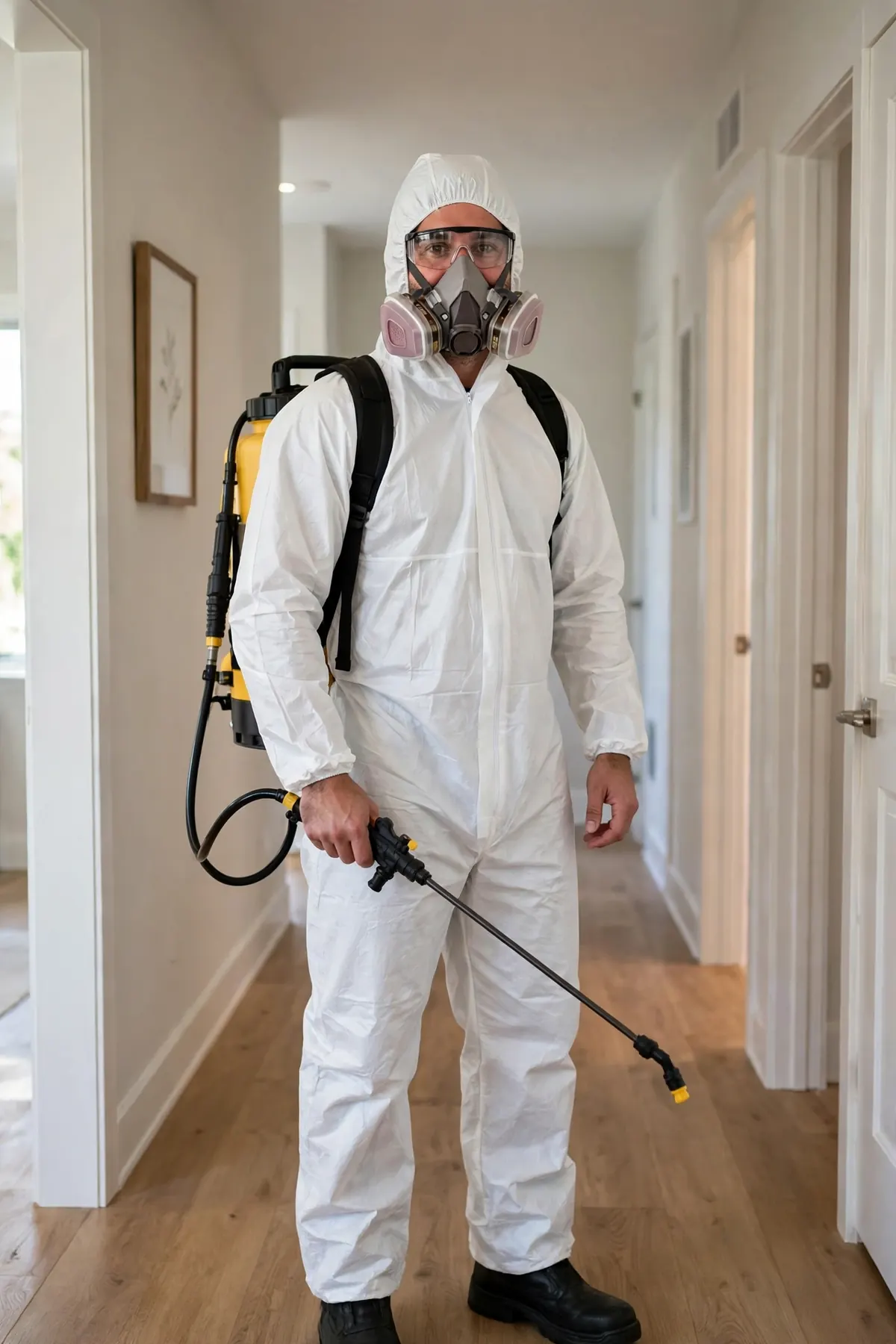
Barriers and negative-air machines seal the affected area so spores can't migrate through the house.
Air movers and dehumidifiers bring moisture down; then contaminated materials are removed and treated.
Final moisture readings, photos, and a walkthrough — plus paperwork for your insurance claim.
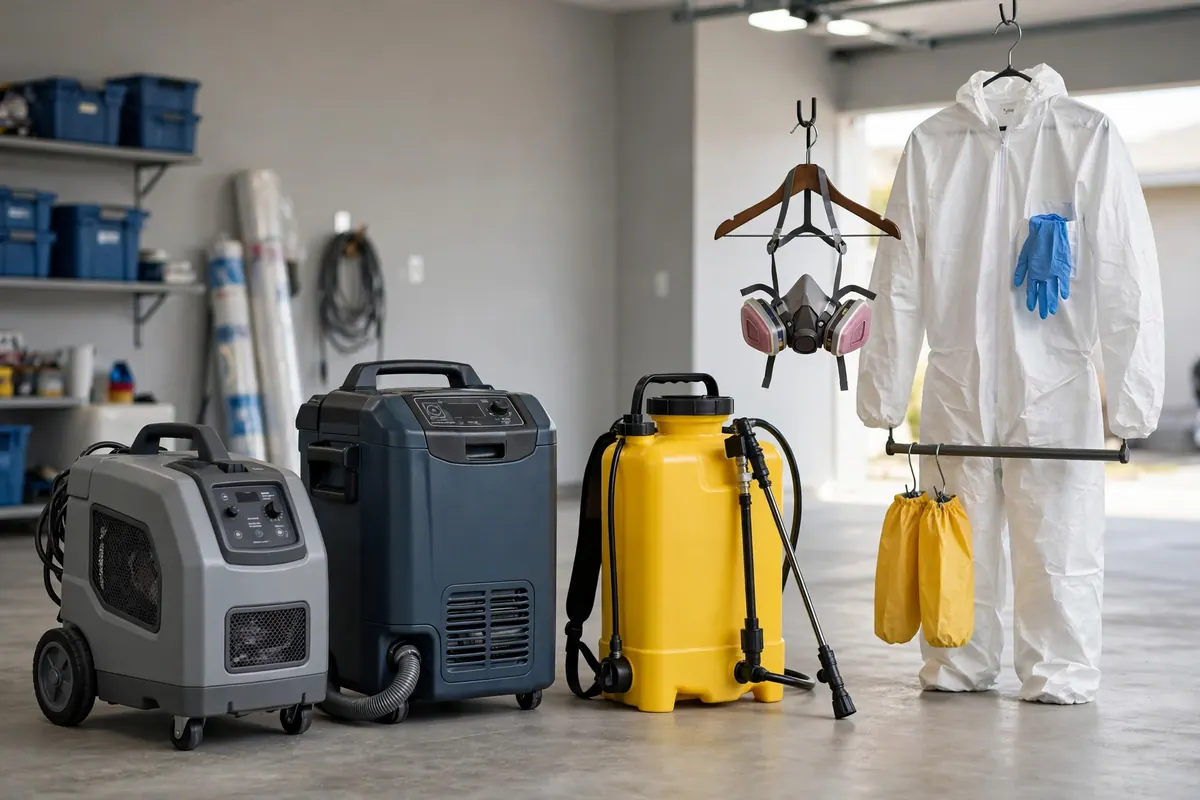
Pumps and extractors pull standing water fast — the first and most urgent step.
High-velocity drying that brings wet structures back below the mold threshold.
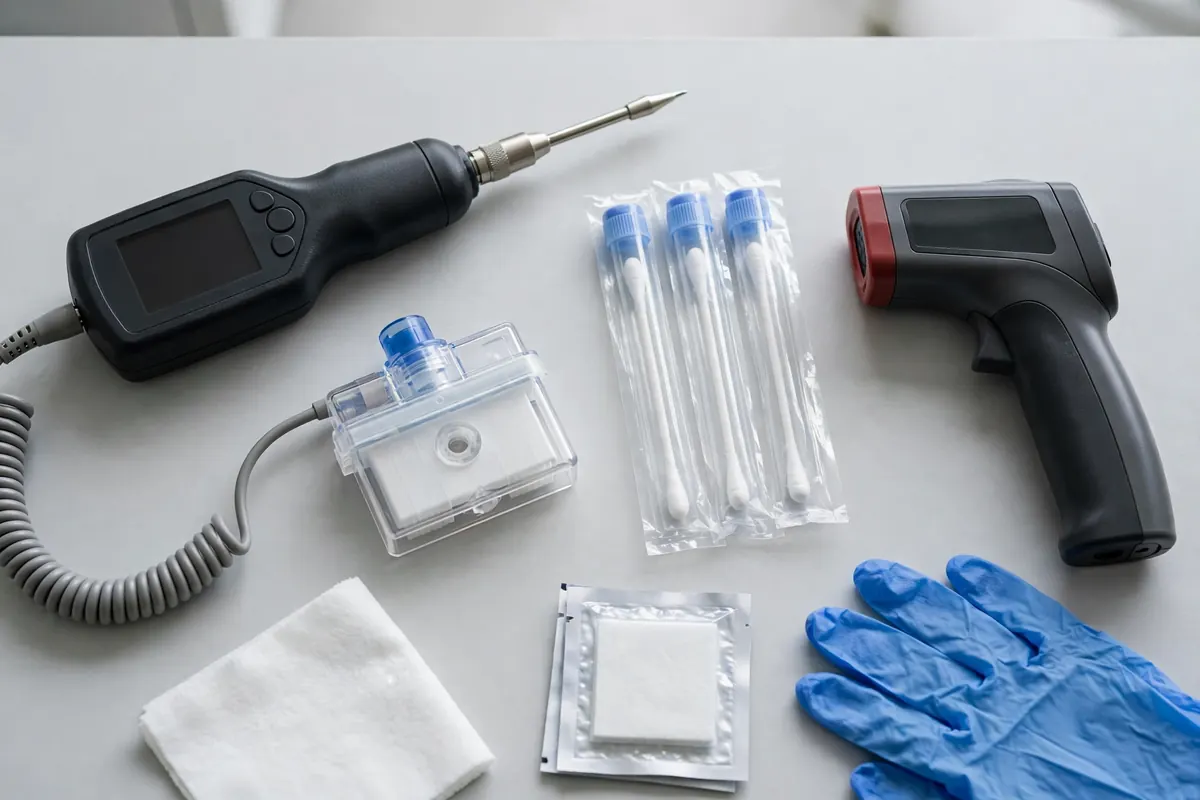
Pin and pinless meters tell us exactly what's still wet inside walls and floors.
Poly barriers and HEPA-filtered negative air keep spores locked in the work zone.
We follow standards for mold remediation, ensuring effective and safe practices during removal.
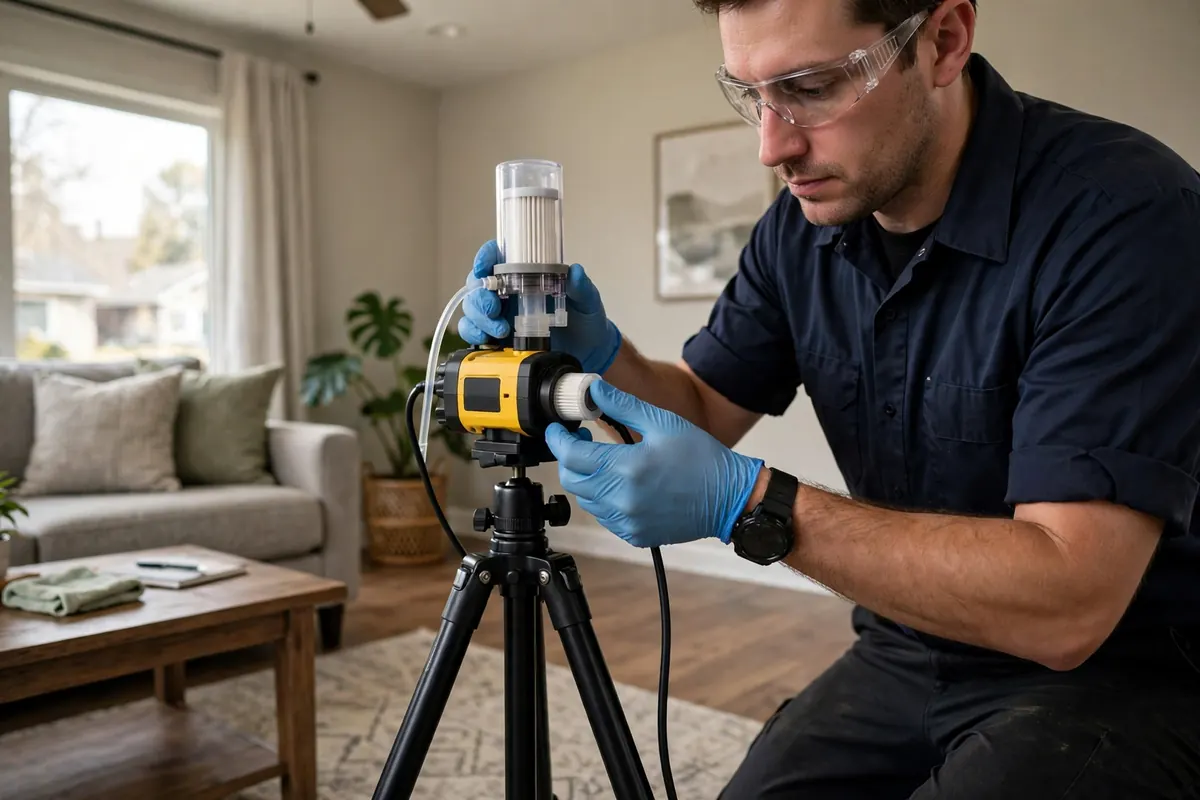
Scrub the air during and after removal so the space is genuinely clean.
Finds hidden moisture behind walls without opening everything up.
Burst pipe, roof leak in a storm, flooding — call now. Drying equipment needs to roll today, not next week.
This is both a mold risk and a sanitation hazard. Stay out of the area and let an equipped crew handle it.
If a past leak left a musty odor, contamination may be inside the wall. That can usually be scheduled — but don't ignore it.
Newark's housing stock skews old — pre-war walk-ups, flat-roofed rowhouses, and basement apartments with aging plumbing. When water lets go here, it travels fast through shared walls and stacked bathrooms. A local crew knows which buildings flood first and how to get equipment into tight urban blocks.
Older buildings on dense blocks — water events here spread to neighboring units fast.
Below-grade units flood first and dry last — they get priority triage on every call.
Ponding water finds the weak seam in a storm; attic and top-floor mold follows within days.
Pre-war plumbing fails without warning — burst pipes are our most common midnight call.
Leaks travel vertically through old buildings, hitting two or three units at once.
Water across the basement floor, wicking up drywall, musty smell setting in within days.
Water extracted, structure dried, affected drywall removed and treated — basement dry and documented.
Maintenance: Know where your main shutoff is, and check the water heater and supply lines yearly.
Contaminated water in a lower-level bathroom — unsafe to enter without protection.
Contaminated water removed, affected materials disposed of safely, area disinfected and dried.
Maintenance: Consider a backwater valve if your block has a history of backups.
Musty air from every vent after a drain-pan overflow contaminated the system.
System shut down, contamination contained, ducts and coil addressed, airflow restored clean.
Maintenance: Change filters on schedule and keep condensate drains clear.
Waiting turns a water problem into a mold problem, then into a structural one. Here's what rapid response prevents.
Wet drywall and wood start colonizing fast. Same-day drying keeps a leak from becoming an infestation.
Without containment, foot traffic and HVAC carry spores everywhere. We seal the zone first.
Prolonged moisture rots framing and subfloor. Fast extraction protects the bones of the house.
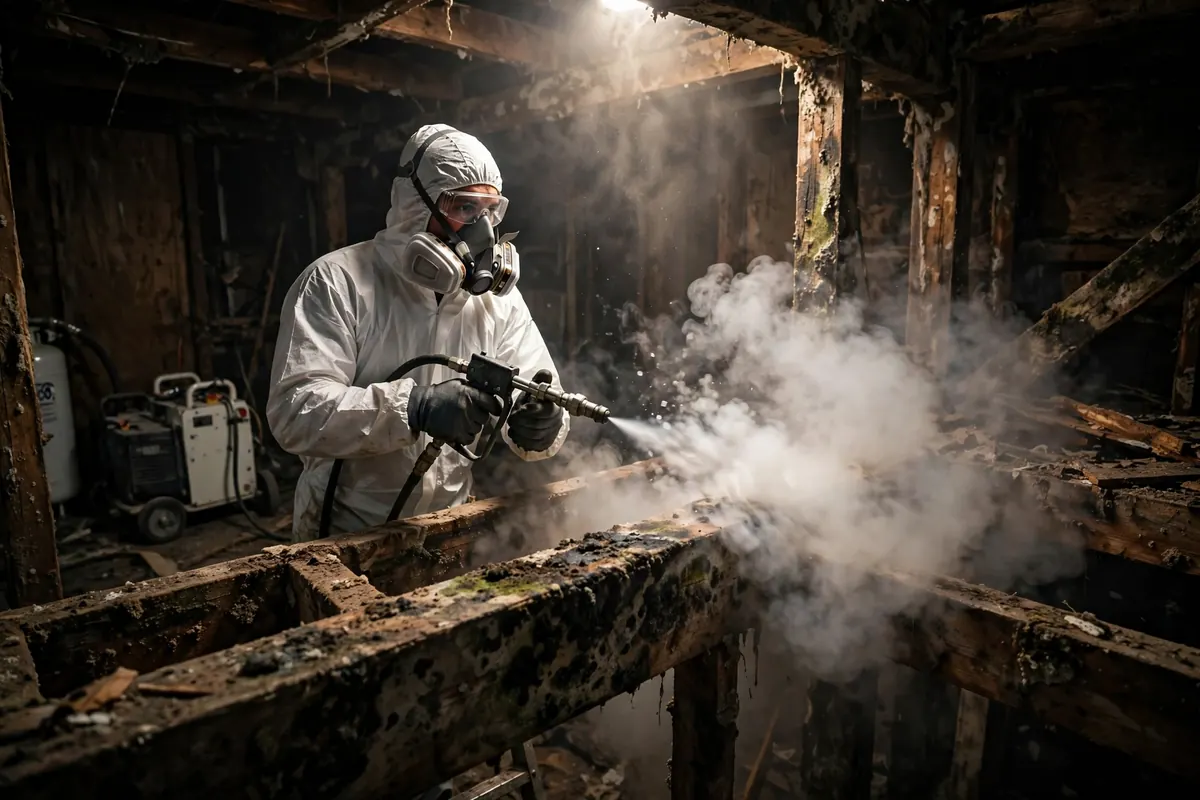
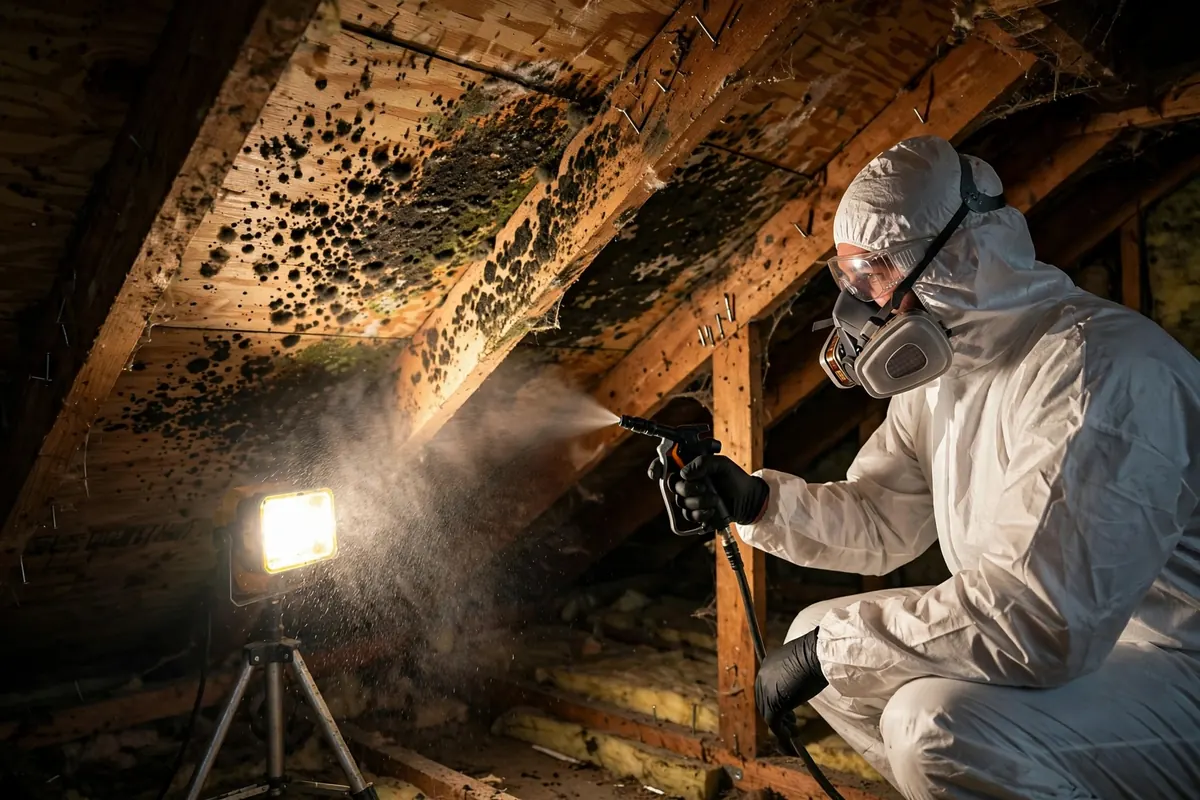
Emergency work is a different discipline from scheduled remediation — triage judgment, water extraction, and working in still-wet spaces. Our crews train for exactly that.
Active water intrusion, sewage backups, and mold spreading through your HVAC system are urgent — every hour adds damage. A small, contained patch on a bathroom ceiling with no active leak can usually wait for a scheduled visit.
Call the number at the top of the page and emergency calls go to the front of the schedule. Drying equipment comes first to stop the clock, and the mold remediation plan follows once the structure is stable.
Generally no. An HVAC system can pick up spores from a wet area and distribute them through the whole house. Shut the system off in the affected zone until the area has been assessed.
Stop the water source if it's safe to do so, keep people and pets out of the affected area, don't scrub or disturb visible mold, and take photos for your insurance claim. We'll handle the rest on arrival.
Not seeing your question? Our local team can help you understand urgency, scheduling and what to expect.
Ask the local team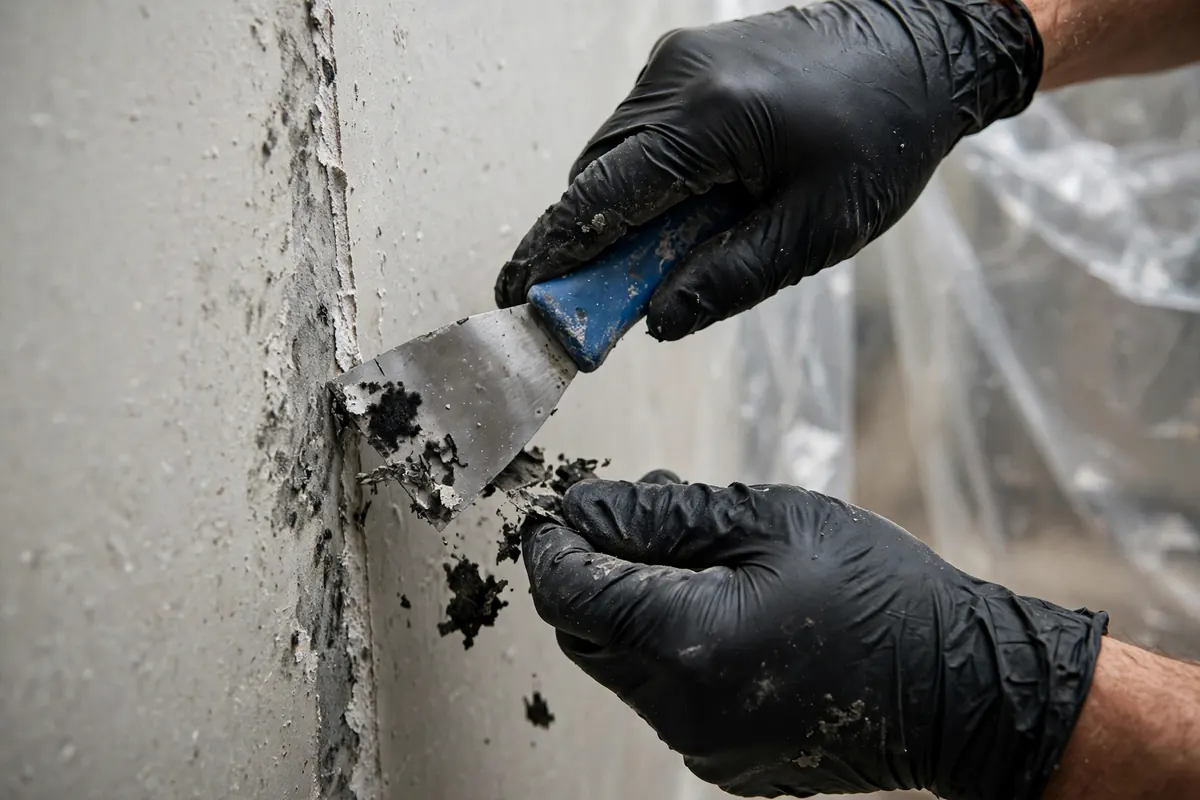
Our Black Mold Removal service specifically targets toxic mold types, ensuring a safe environment for Newark residents.
View service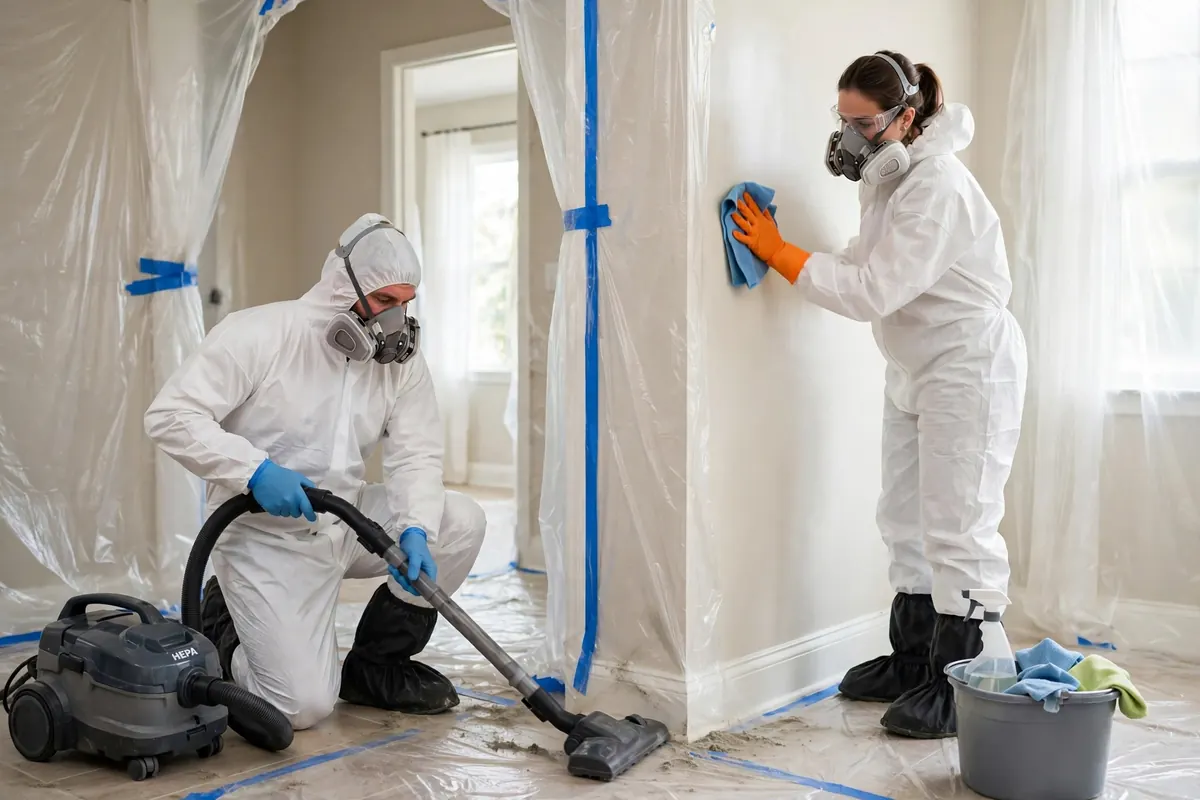
Before any removal, our Mold Inspection & Testing identifies the type and extent of mold, important for effective Emergency Mold Removal Newark NJ.
View service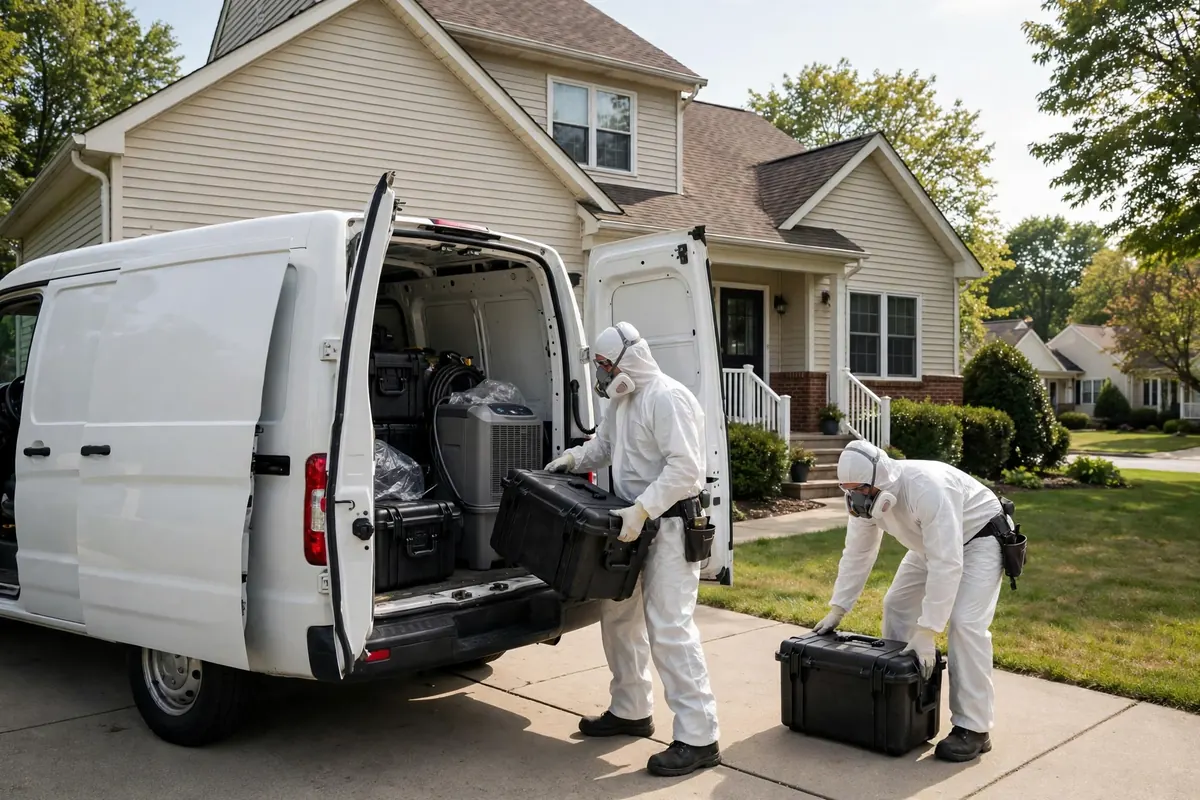
Our Air Quality Testing service assesses the presence of mold spores in your home, helping to ensure a safe living environment post-remediation.
View service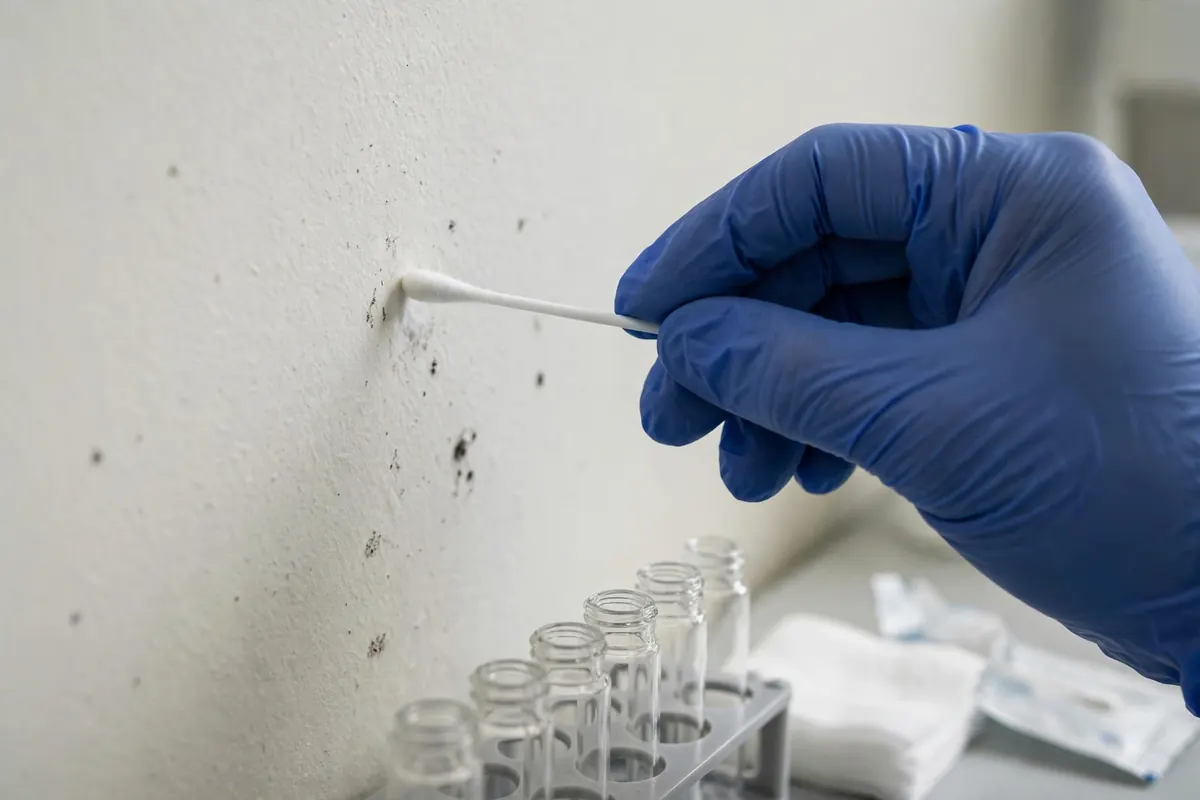
After mold removal, Mold Clearance Testing confirms that your home is free from harmful mold, providing peace of mind.
View serviceWe bring this service to homes and businesses across Newark and the surrounding communities.
Mold emergency? Call (973) 400-5618 now — emergency calls jump the queue. For non-urgent questions or to schedule an inspection, reach out below and we'll respond quickly.
Small spots turn into big jobs fast in New Jersey humidity. Call now and we'll schedule your inspection.
Call (973) 400-5618