Focused arrival windows
Useful updates and clear arrival timing.
Last updated: October 4, 2026
Your local Jersey City teamJersey City packs a lot into a small footprint — Hudson River waterfront on one side, some of the oldest housing stock in the state on the other. Those downtown brownstones and Paulus Hook rowhouses look great, but brick walls and century-old ventilation don't move air well. Add river humidity and basement-level apartments, and you've got mold conditions most of the year. We handle it block by block.
Useful updates and clear arrival timing.
Review the approach and price before deciding.
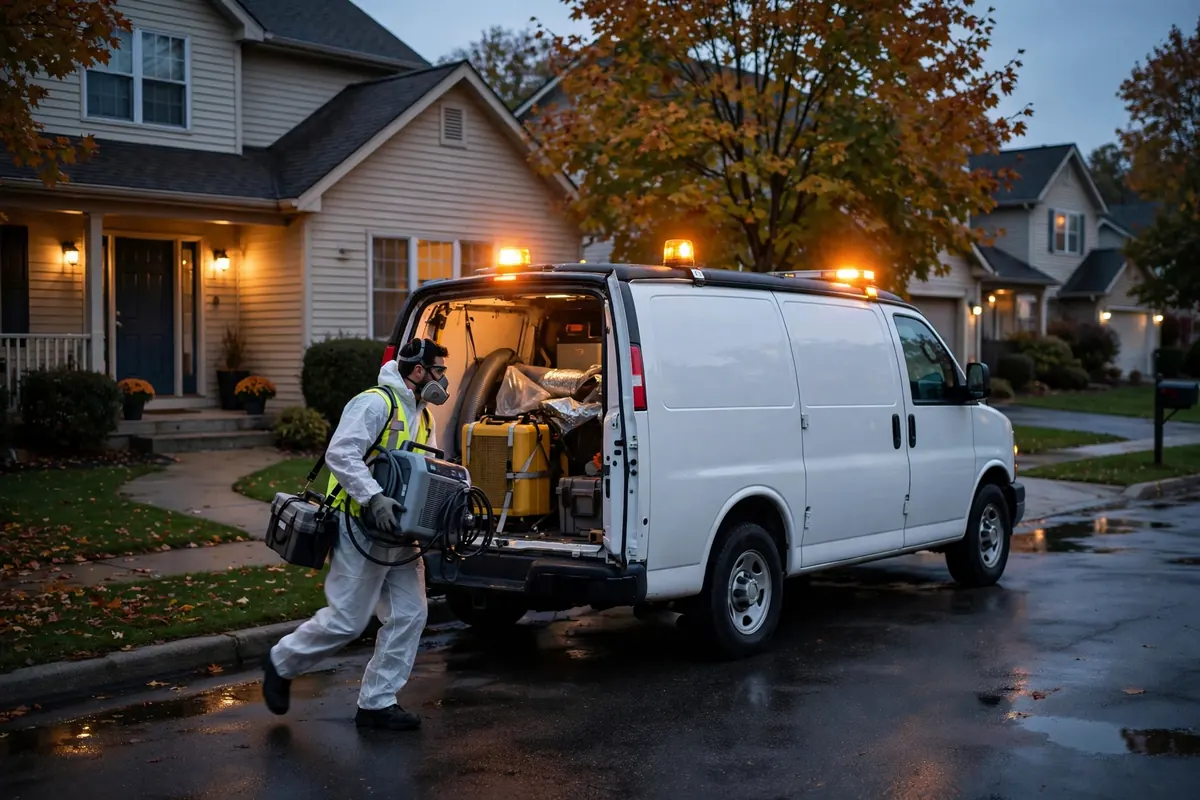
Equipped vehicles and respectful cleanup.
Neighbors serving neighbors with follow-through.
Jersey City is really two mold climates in one. Along the Hudson — Exchange Place, Newport, the waterfront towers — humid river air and high-rise condensation drive the problems. A mile inland, the historic downtown of Paulus Hook and Van Vorst Park holds 100-plus-year-old brownstones with garden-level units, old masonry, and basements that predate modern waterproofing by a century. Same city, completely different jobs.
Stand on the Hudson waterfront in August and you feel Jersey City's first mold climate: humid air rolling off the river, glass towers running air conditioning hard, and the condensation that forms where cold meets humid — window frames, PTAC sleeves, bathroom exhausts that can't keep up. In the Exchange Place and Newport high-rises, the mold we find is usually condensation-driven: corners of exterior walls, behind furniture that never moves, inside closet walls on the windward side.
Walk inland to Van Vorst Park or Paulus Hook and the climate changes completely. Here the housing is 19th-century brownstone rowhouses — beautiful, and built before damp-proofing existed. Garden-level and basement units sit partially below grade behind original brick and stone foundations. Parapet roofs leak at the seams. Old coal-chute and dumbwaiter shafts act as mold highways between floors, and summer humidity gets trapped in air shafts and rear extensions.
Downtown's commercial corridors add a third wrinkle: restaurants and shops with heavy water use above residential units, where one backup or leak becomes someone else's ceiling mold. So a Jersey City visit starts with one question — waterfront tower or historic brownstone? The answer changes everything about where we look and how we fix it.
Both of Jersey City’s microclimates sit under the same regional baseline: July highs around 85°F, roughly 47 inches of rain a year, and average humidity near 65% (climate-data.org data for Newark). Whether that moisture arrives as Hudson river air or as condensation inside a tower, the regional numbers explain why mold pressure here never really takes a season off.
Every service below is available across Jersey City — from waterfront high-rises to downtown brownstones, with building-compliant scheduling.
Black Mold Removal in Jersey City is essential for homes suffering from severe mold infestations. We use advanced techniques to safely eliminate black mold, especially in older buildings that are more susceptible.
View service →02Our Mold Inspection & Testing service in Jersey City identifies hidden mold and moisture issues. We employ tools like moisture meters and thermal imaging cameras to ensure thorough inspections.
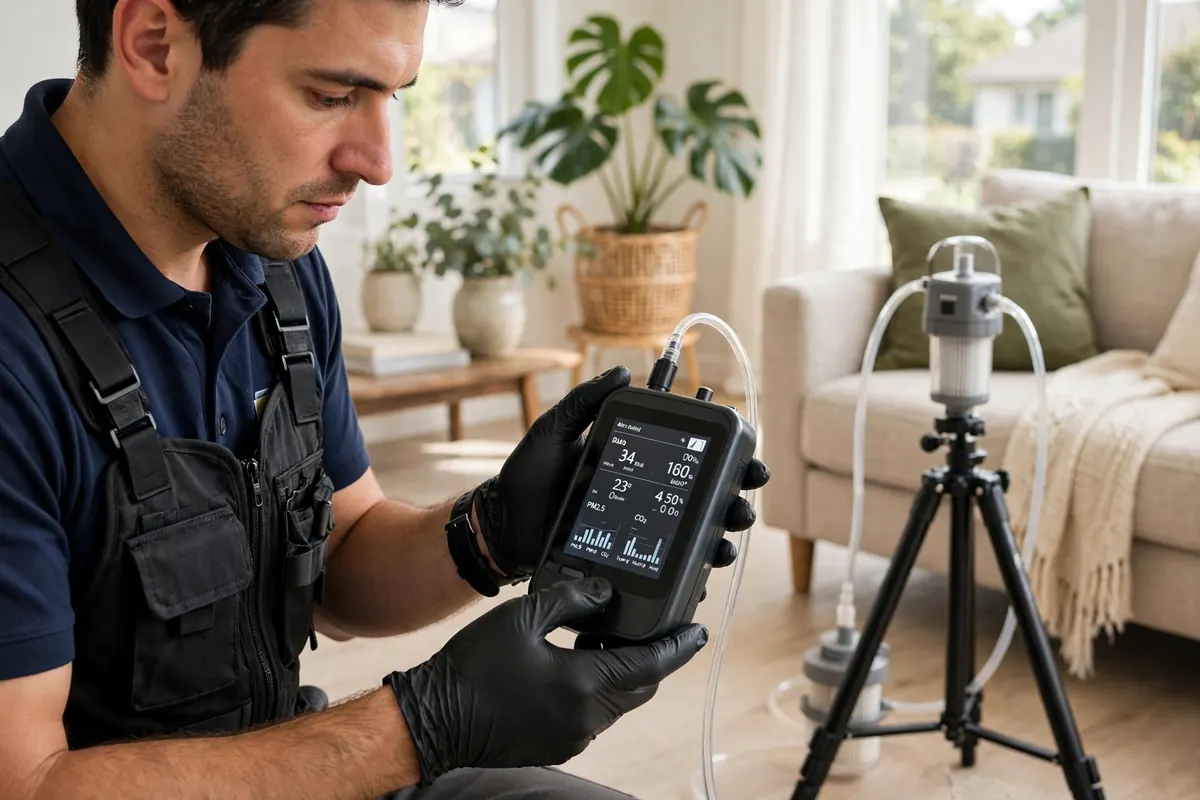
View service →03Air Quality Testing in Jersey City helps detect mold spores and other contaminants in your home. We provide detailed reports and solutions to improve indoor air quality.
View service →04Mold Clearance Testing in Jersey City ensures that your property is free of mold after remediation. We follow strict protocols to confirm the effectiveness of our services.
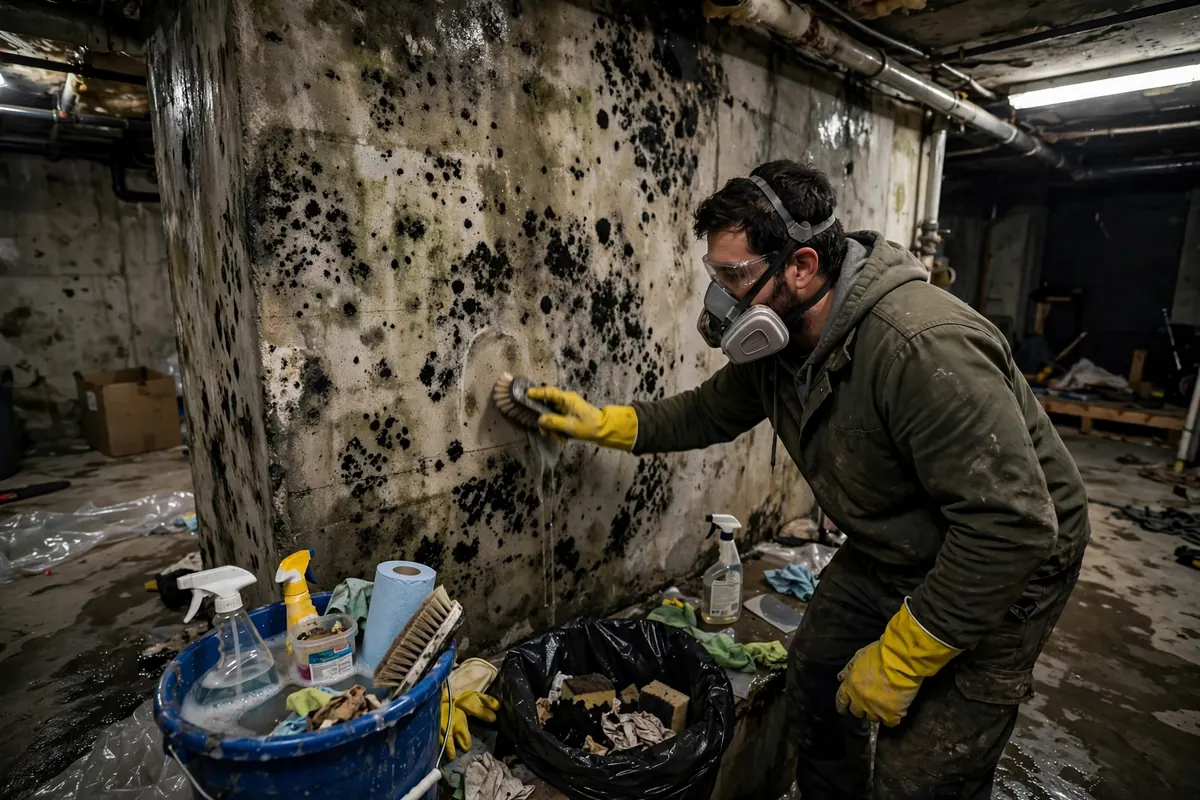
View service →05Basement Mold Removal in Jersey City addresses common issues in damp, low-ventilated areas. We use dehumidifiers and air scrubbers to eliminate mold and prevent future growth.
View service →06Attic Mold Removal in Jersey City is important for preventing damage to your home's structure. Our team specializes in removing mold from attics, where humidity can accumulate.
View service →07Crawl Space Mold Removal in Jersey City prevents mold from spreading to your home. We encapsulate crawl spaces to control moisture and eliminate existing mold.
View service →08Bathroom Mold Removal in Jersey City targets areas prone to moisture. We ensure thorough cleaning and apply mold inhibitors to prevent recurrence.
View service →09HVAC & Air Duct Mold Removal in Jersey City improves air quality by cleaning mold from your HVAC system. We ensure your home's air is safe to breathe.
View service →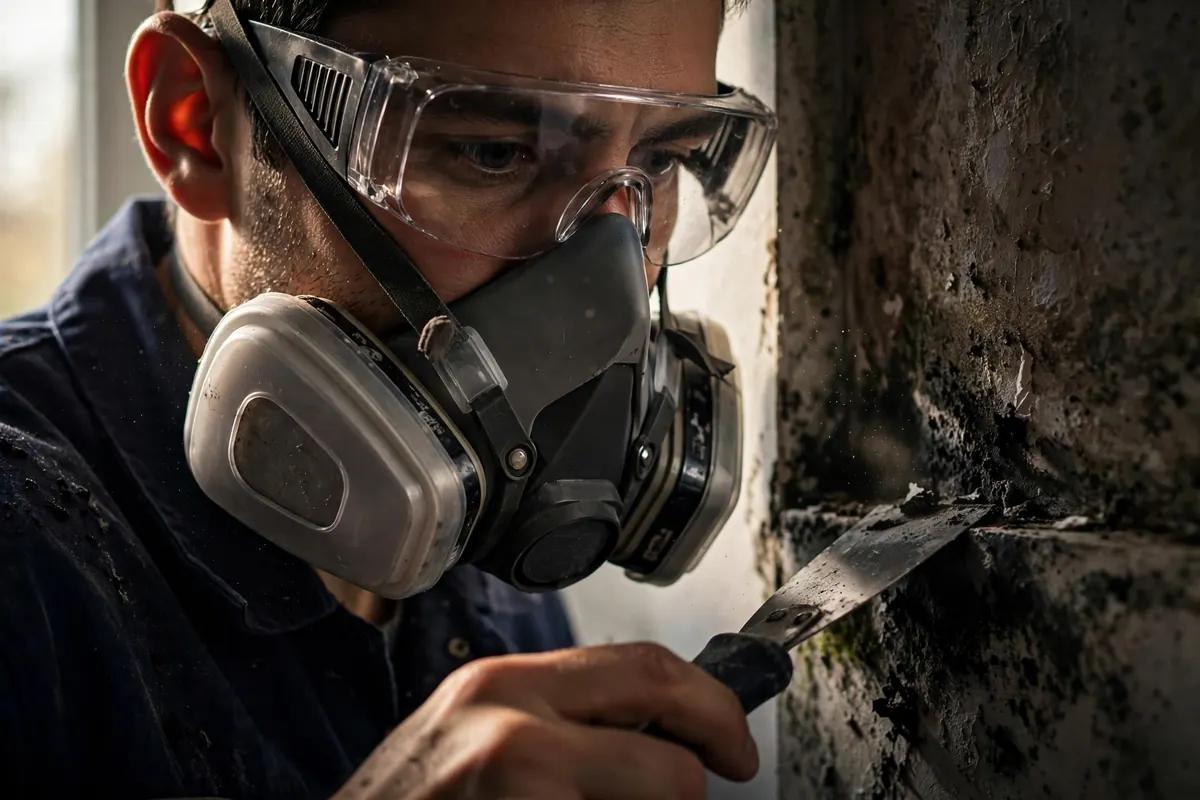
Waterfront tower or historic brownstone? That question shapes everything. In high-rises we coordinate certificates of insurance and freight elevators with building management before arrival. In brownstones we start at the garden level and the parapet — the two spots behind most of what we find. Either way: inspect with meters and imaging, contain the work area, remediate, verify dry, and leave written prevention guidance.
High humidity can lead to rapid mold growth, especially in older homes. This makes timely intervention important. We use dehumidifiers and moisture meters to monitor and control humidity levels effectively.
Many homes in Jersey City are older, making them more susceptible to water damage and mold. We tailor our remediation strategies to handle older structures.
Crawl spaces can be difficult to access, complicating mold removal efforts. Our team is equipped with specialized tools to safely and effectively access and remediate these areas.
This license ensures that our services meet state standards for safety and effectiveness in mold remediation.
We adhere to EPA guidelines to ensure environmentally responsible mold removal practices.
Jersey City's unique climate and older building stock contribute to several common mold issues. Understanding these problems can help you take preventive measures.
Winter condensation on glass and frames in waterfront towers feeds mold on sills and surrounding drywall. Humidity control beats wiping.
Below-grade units behind 120-year-old masonry wick moisture constantly. Interior drainage and right-sized dehumidification are the fix.
Where parapets meet the roof on old rowhouses, leaks start small and grow mold in ceiling cavities for months unseen.
Downtown shops and restaurants above apartments — one backup becomes a ceiling mold job. We coordinate with both tenants.
Navigating Jersey City is easy with well-known landmarks that help us reach our clients efficiently. Landmarks like Jersey City Hall and Liberty State Park serve as key orientation points for our team.
Located centrally, Jersey City Hall helps us navigate to nearby neighborhoods quickly.
This large park is a recognizable landmark, aiding our team in planning routes to service calls.
The library's central location makes it a useful reference point for scheduling appointments.
Newport Centre is a major shopping destination, and we frequently service businesses in this area to ensure mold-free environments.
Exchange Place is a busy commercial district where we provide Mold Remediation services to maintain healthy workplaces.
The PATH Train Station provides easy access to various neighborhoods, allowing for quick response times.
Proximity to the Turnpike allows our team to reach clients in surrounding areas efficiently.
Elite Mold Experts proudly serves various neighborhoods in Jersey City, offering tailored Mold Remediation solutions. Our team is familiar with the unique characteristics of each area, ensuring effective service.
Our crews are in Downtown, Journal Square, The Heights, and Bergen-Lafayette every week.
Jersey City Heights features many older homes that can be prone to mold due to humidity. Our team is experienced in addressing these specific challenges. We can typically respond to this area within 30 minutes.
Journal Square is a busy area with a mix of residential and commercial properties, making our services essential for maintaining healthy environments. Our team is often in this area and can provide quick service.
Downtown Jersey City has a high density of buildings, which can lead to moisture issues. We specialize in urban mold remediation. Response times are typically under 20 minutes in this neighborhood.
West Side Jersey City features many older structures, increasing the likelihood of mold growth. Our tailored services address these specific needs. We can reach this area quickly, ensuring timely remediation.
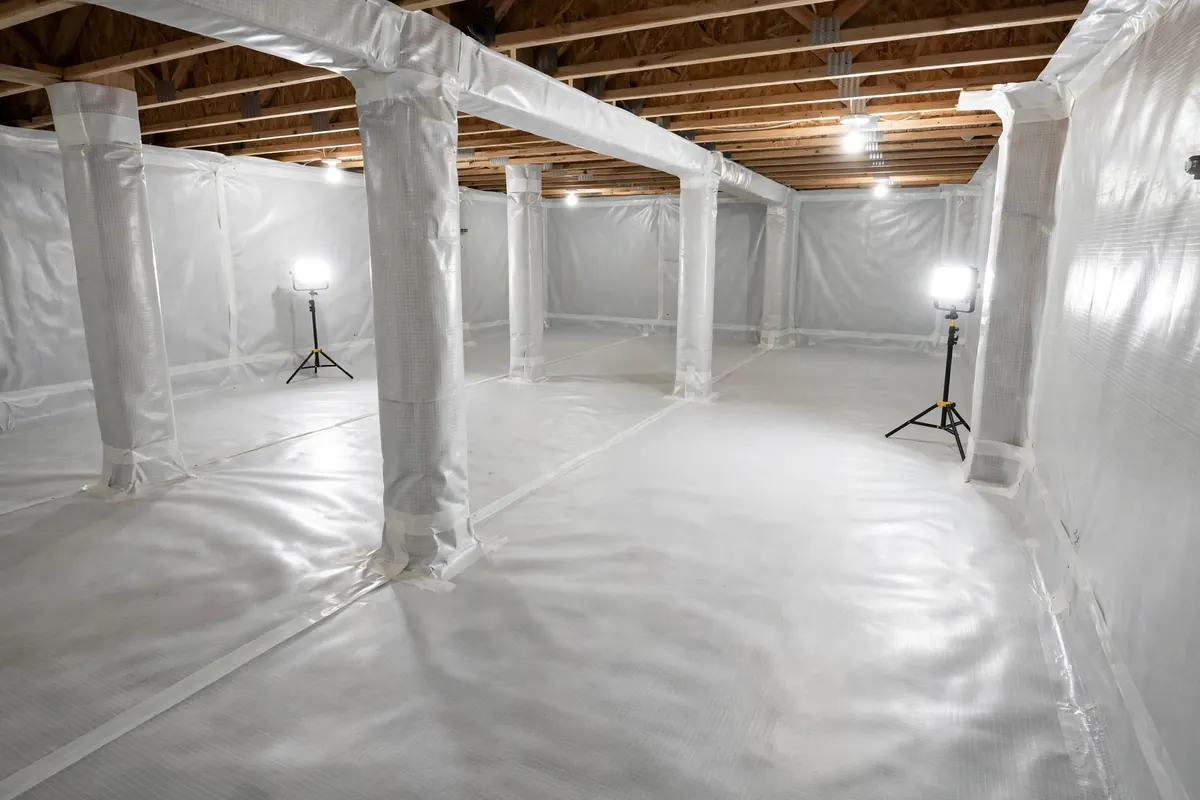
Two building types, two playbooks. Here's what typical Jersey City work looks like.
Earthy smell that never left, worst after rain. Moisture mapping showed wicking through the original foundation walls. We remediated under containment, then laid out drainage and dehumidification options suited to a 19th-century building — no recommendations that would fight the architecture.
Black spotting on window sills and the drywall beneath. We removed the affected material, then focused on the cause: indoor humidity control and air circulation, coordinated with the building's requirements.
Boxes against a damp block wall had been growing mold unseen for a year. We cleared, remediated, and dried the space, and recommended storage practices — off the floor, away from walls — that prevent a repeat.
Jersey City's climate influences mold growth throughout the year. Understanding seasonal patterns helps in effective Mold Remediation planning.
Spring brings increased rainfall and humidity, leading to a higher risk of mold growth in homes.
Summer heat and humidity create ideal conditions for mold proliferation, especially in poorly ventilated areas.
Fall often sees increased moisture from rain, which can contribute to mold growth if not managed.
Winter can lead to condensation issues in homes, creating conditions favorable for mold growth.
Elite Mold Experts extends its Mold Remediation services beyond Jersey City to nearby cities. Our team is equipped to handle mold issues across the region, ensuring safe environments for all.
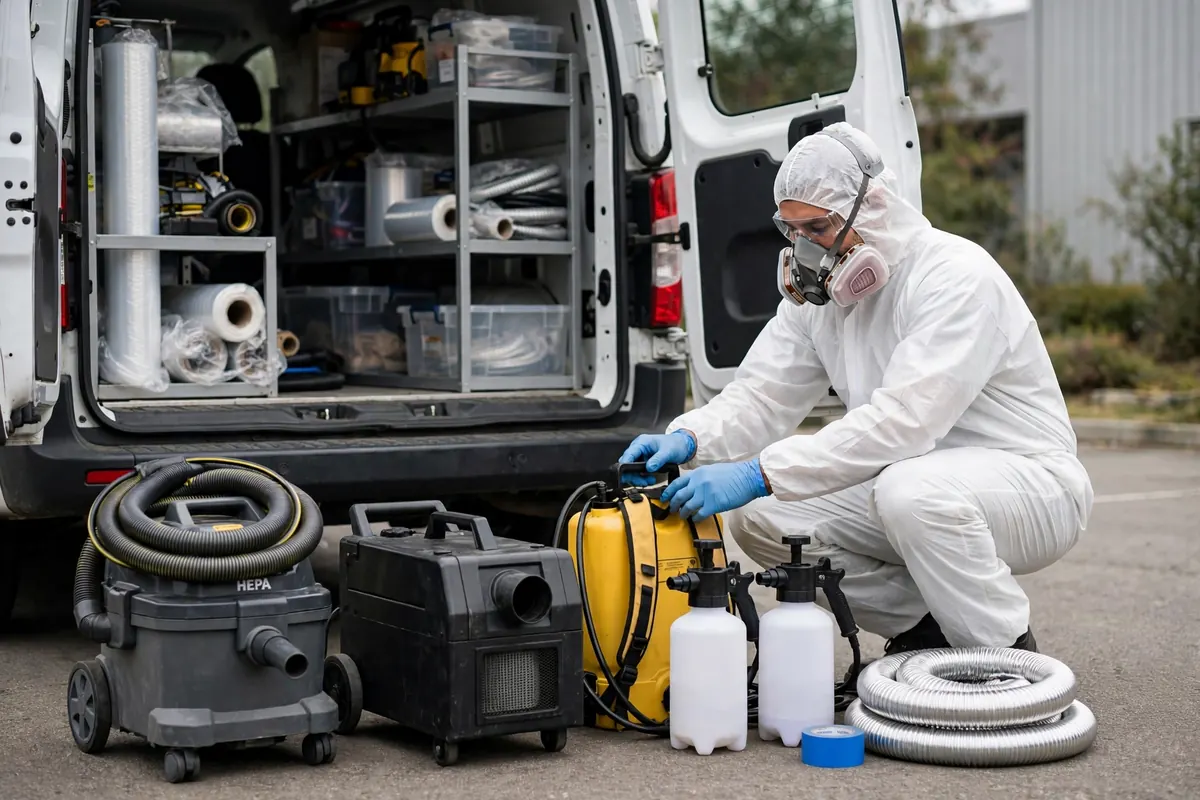
Harrison is just a short drive from Jersey City, allowing us to serve clients quickly.
Local coverage and details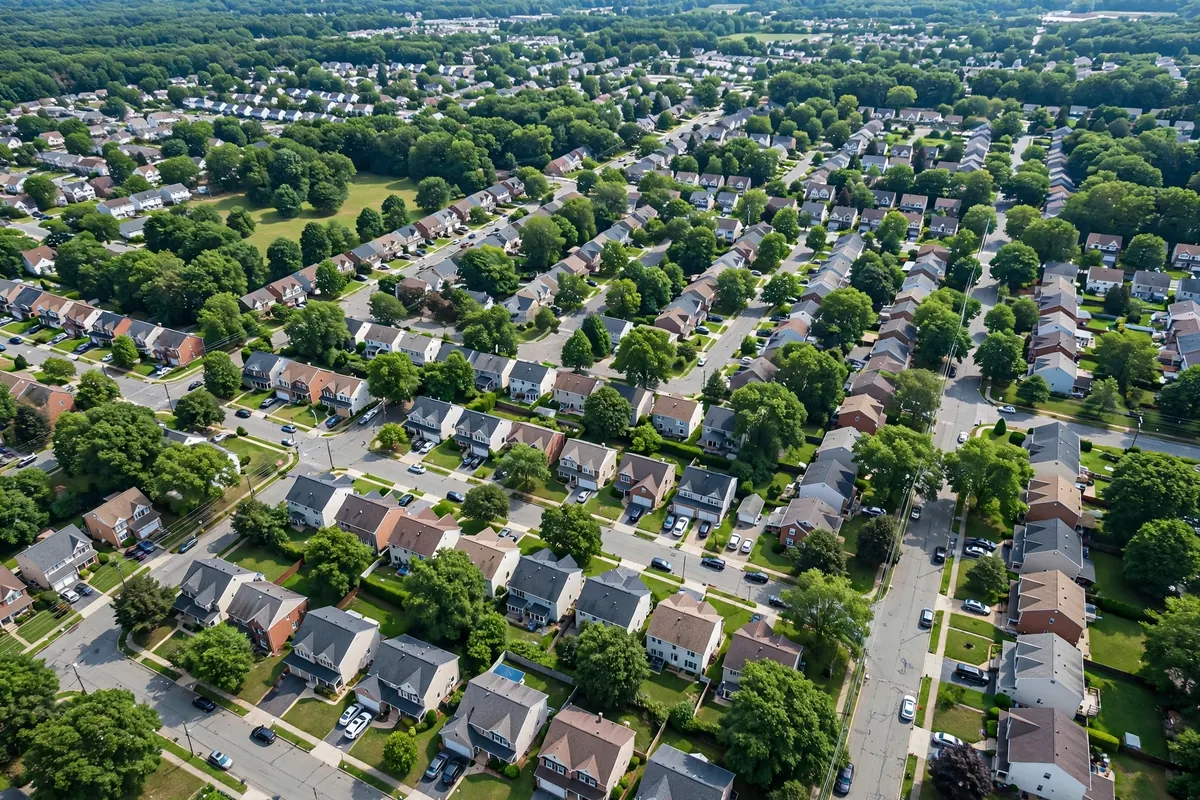
Kearny is close to Jersey City, making it convenient for our team to provide timely services.
Local coverage and details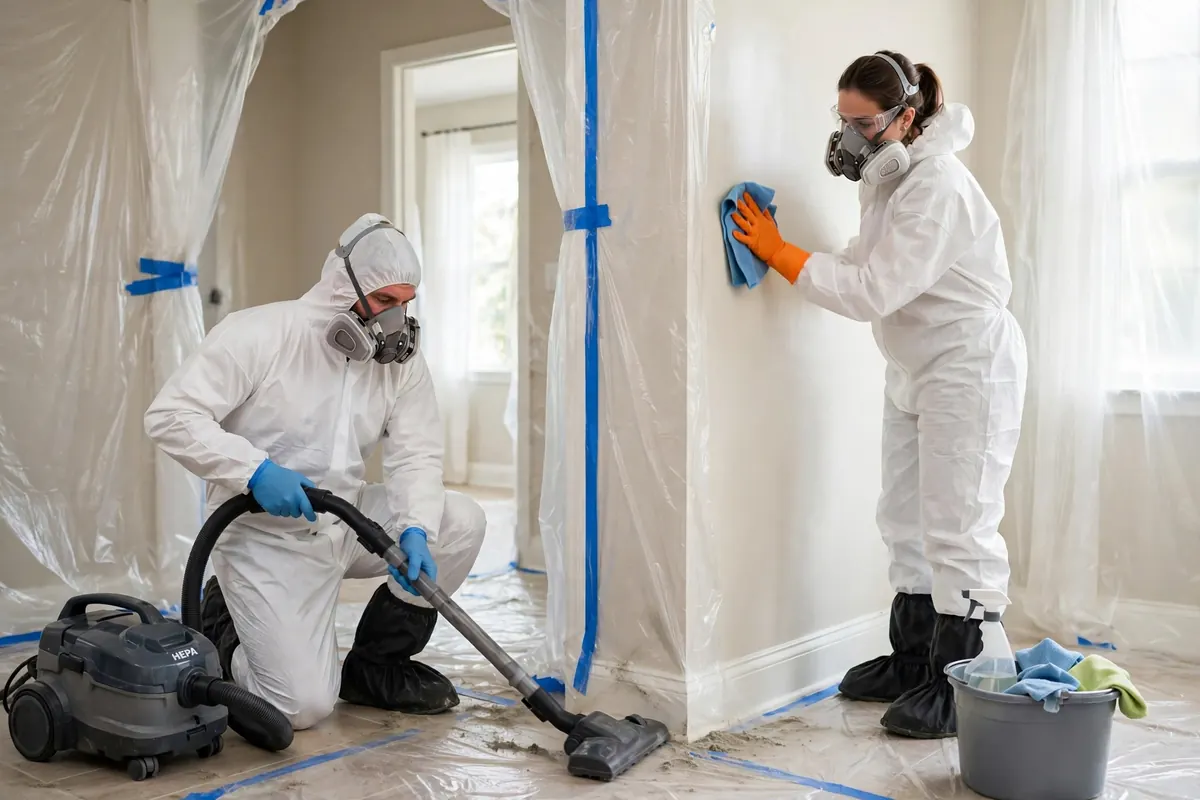
East Orange is within easy reach, ensuring we can address mold issues promptly.
Local coverage and details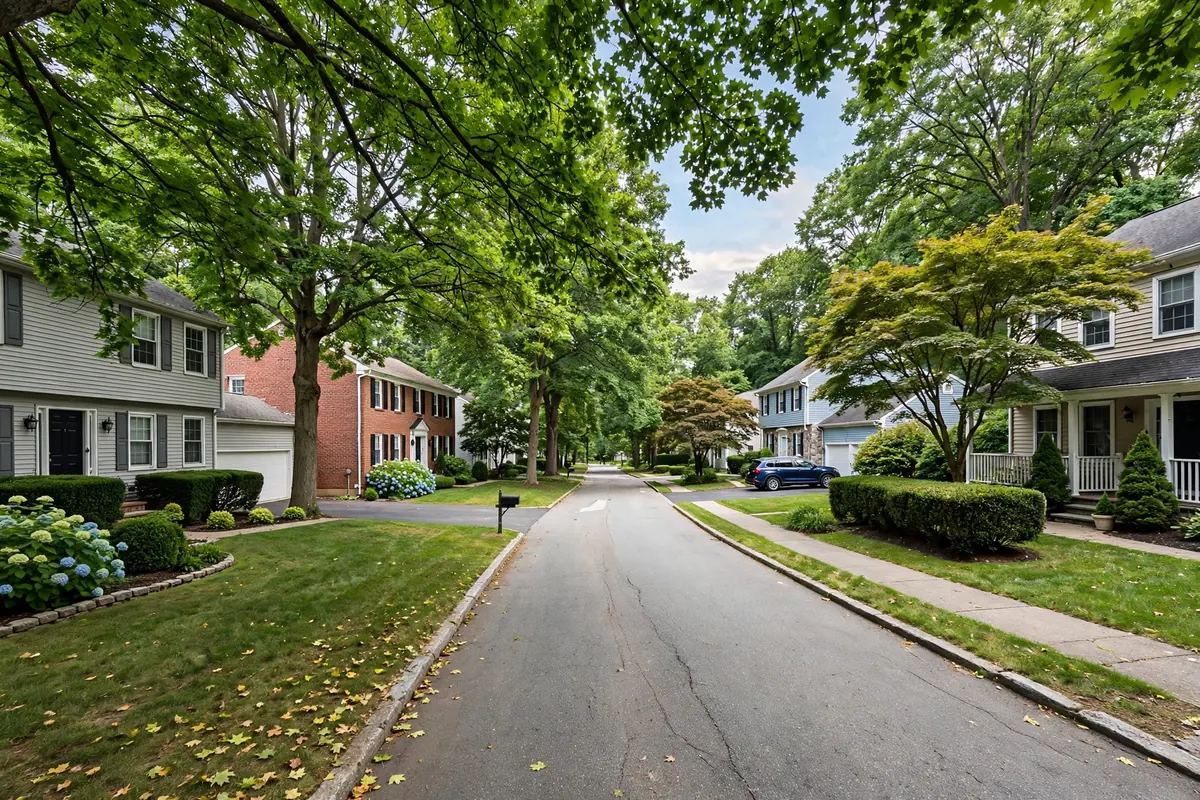
Irvington is nearby, allowing for quick response times for our Mold Remediation services.
Local coverage and detailsWhen hiring a Mold Remediation contractor in Jersey City, asking the right questions can help ensure you choose a qualified professional.
Experience in local conditions is important for effective remediation, as mold issues can vary by area.
Licensing and insurance protect you and ensure that the contractor meets industry standards.
Understanding the methods helps assess their effectiveness and safety for your home.
A guarantee reflects the contractor's confidence in their work and provides peace of mind.
References give insight into the contractor's reliability and quality of work in similar situations.
License details provided on request
EPA #123456
Institute of Inspection, Cleaning and Restoration Certification
Occupational Safety and Health Administration
Insurance details provided on request
member
sponsor
ZIP codes we serve in Jersey City: 07302, 07304, 07305, 07306, 07307, 07310.
ZIP codes we serve in Jersey City: 073020730407305073060730707310
Yes — chronic condensation on frames and sills is one of the most common mold sources we find in waterfront towers. Keep indoor humidity under 45% in winter, run bathroom exhaust fans during and after showers, and don't push furniture tight against exterior walls. If you already see black spotting on sills or drywall, it needs professional removal, not just wiping.
‘Old building smell’ is usually mold or chronic dampness in disguise. Garden-level brownstone units sit partially below grade behind 120-year-old masonry — without modern damp-proofing, moisture migrates straight through. We map the moisture, remediate what's growing, and recommend drainage or dehumidification that actually fits a landmark-era building.
Regularly. We carry certificates of insurance for building management, book freight elevators in advance, and work within board-approved hours. Tell us your building's requirements when you call and we'll handle the paperwork before we arrive.
Measurably. Waterfront blocks run higher relative humidity through summer, and the river breeze pushes moist air against windward facades. Inland brownstone blocks have their own issues — trapped humidity in air shafts — but the waterfront's condensation-driven mold is distinct. We account for the microclimate on every visit.
The garden level and the parapet. Below-grade walls behind original masonry, the rear extension where old meets new construction, and the roofline where parapets meet — those three spots account for most of what we find in 19th-century rowhouses. We start there and follow the moisture.
Not seeing your question? Our local team can help you understand urgency, scheduling and what to expect.
Ask the local team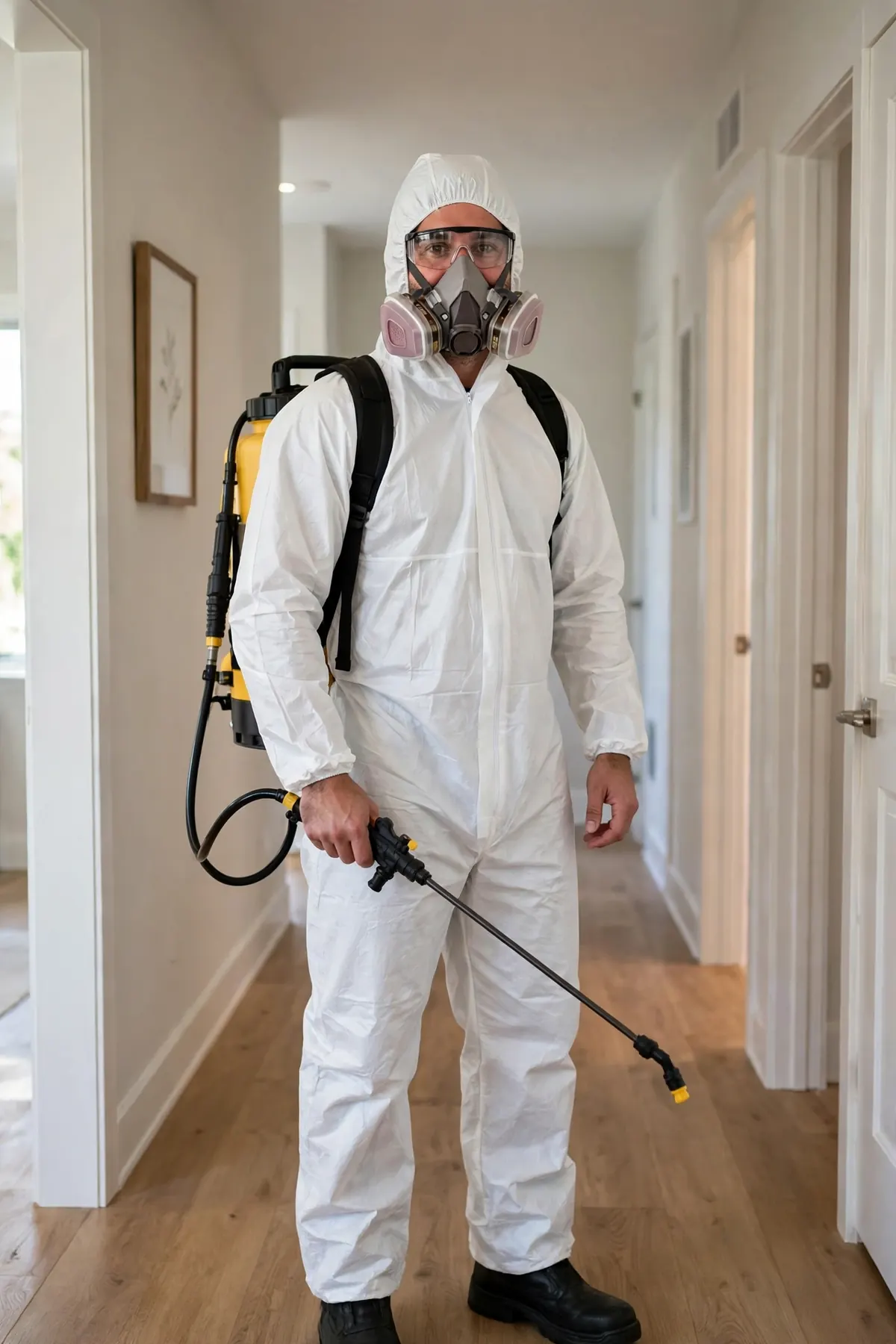
We invite you to reach out for any mold remediation needs. Our team is available Monday to Friday, with quick response times to your inquiries.
Small spots turn into big jobs fast in New Jersey humidity. Call now and we'll schedule your inspection.
Call (973) 400-5618