Focused arrival windows
Useful updates and clear arrival timing.
Last updated: October 4, 2026
Your local Union Township teamMold doesn't care whether you live in a post-war cape, a brick split-level, or a duplex near the Kean campus — but the way it gets into each of them is very different. We handle mold cleanup across Union Township, scoping every job honestly and showing up when we say we'll. Call and talk to a local team, not a call center.
Useful updates and clear arrival timing.
Review the approach and price before deciding.
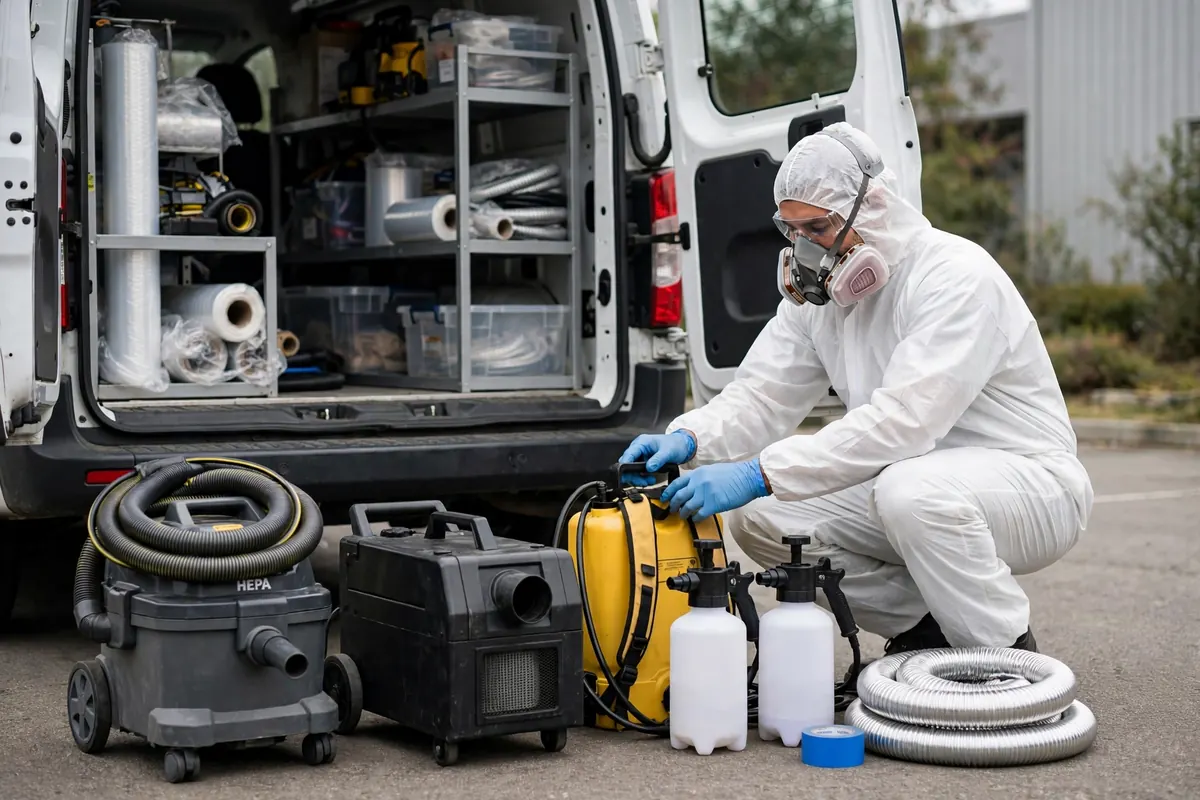
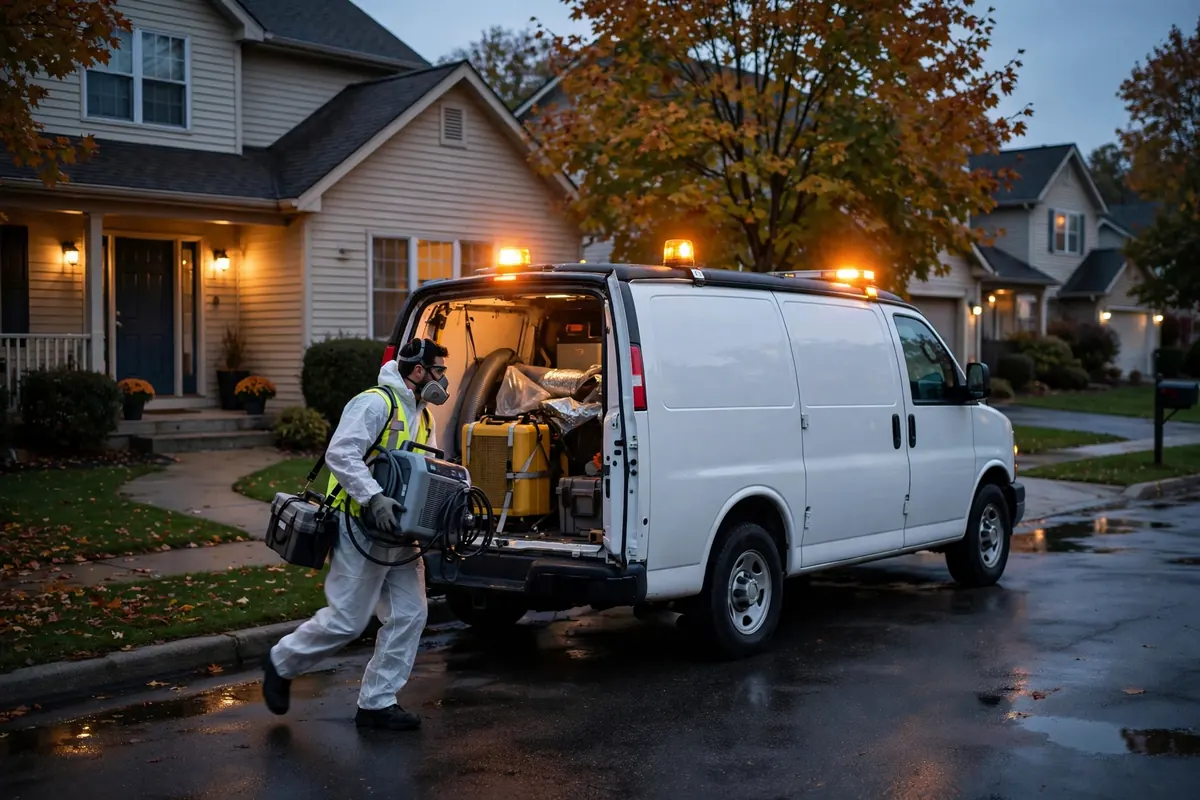
Equipped vehicles and respectful cleanup.
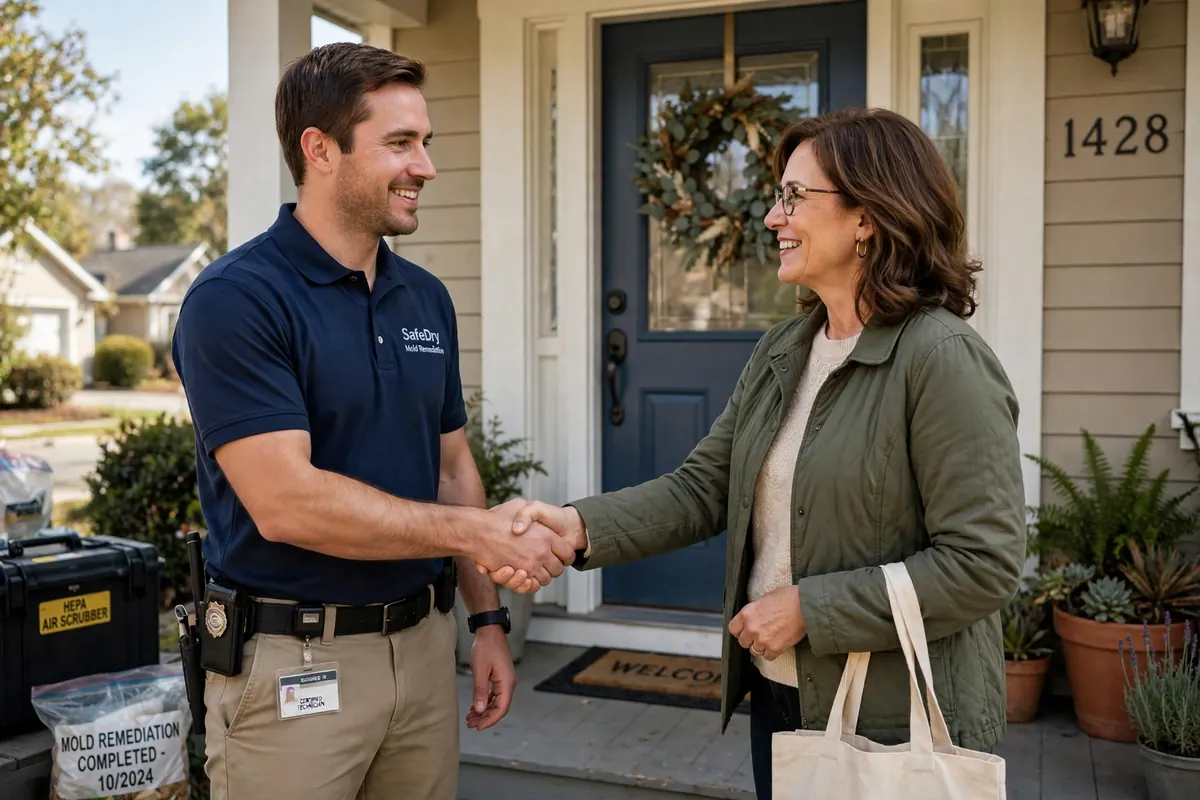
Neighbors serving neighbors with follow-through.
Union Township is a patchwork of housing: post-war ranches and capes, mid-century split-levels, garden apartments, and single-family homes converted into multi-family rentals — especially around Kean University. Each era leaks, breathes, and sweats differently. A 1950s cape with original concrete block walls moves moisture nothing like a 1980s duplex with shared plumbing stacks, and our inspections are built around that difference.
From a surface spot in a guest bath to a finished basement that smells like wet cardboard, we cover the whole job — inspection, cleanup, testing, and the moisture fixes that keep it from coming back.
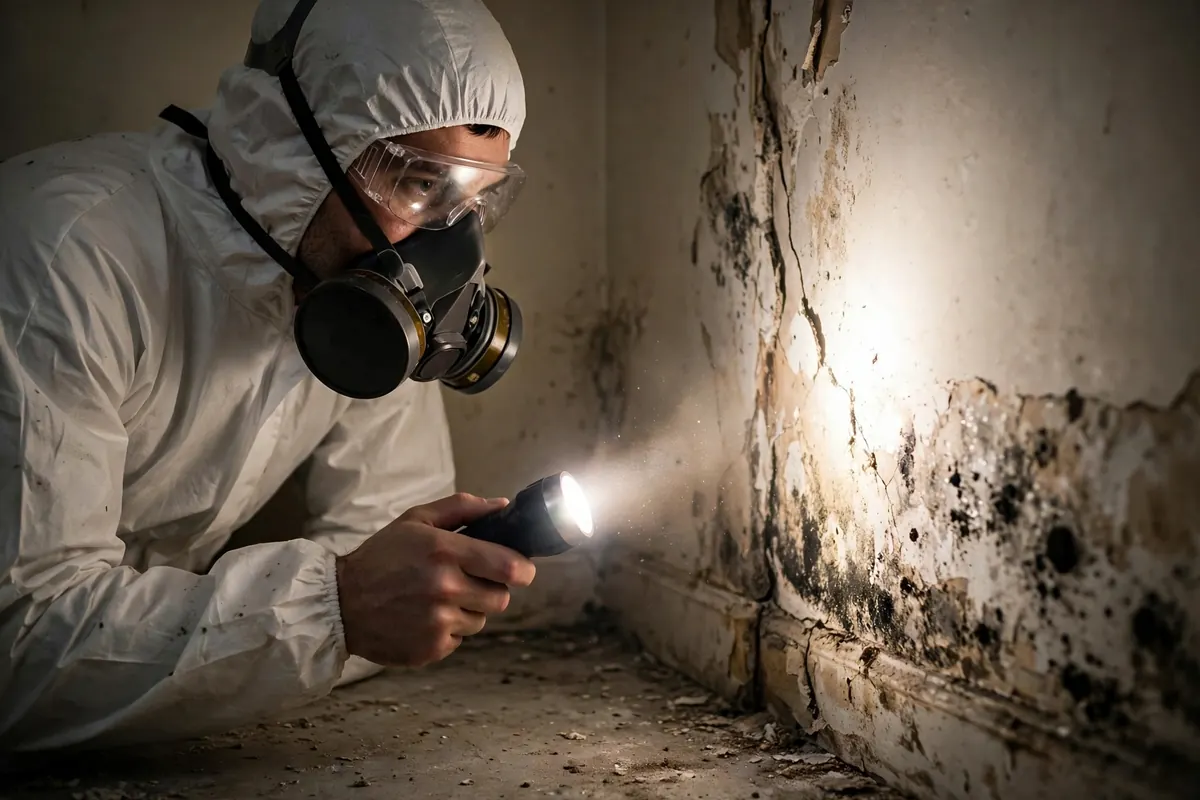
The dark patches that show up after a leak or a wet season — we isolate them, remove them, and dry the area so they don't return.
View service →02Hidden growth is the norm in older houses. We use moisture meters and thermal imaging to find what your eyes can't.
View service →03When nobody can find the source but the air feels wrong, spore testing tells us where to look.
View service →04After the cleanup, clearance testing confirms the space is safe to live in again — the receipt that proves the work.
View service →05Basements here take water from flat-lot runoff and aging foundation walls. We clean them and address the damp that feeds them.
View service →06Roof leaks and under-vented soffits bake moisture into roof sheathing. We remediate the growth and flag the ventilation fix.
View service →07Low, damp, and often forgotten — we treat the growth and recommend encapsulation or drainage where it's needed.
View service →08Fan vents that dump into the attic, caulk that's given up — bathrooms grow mold fast, and we handle both the cleanup and the cause.
View service →09When growth reaches ductwork, every room gets a share. We clean and treat the system so it stops spreading.
View service →Our team adheres to and EPA standards, and the sequence never changes: find the moisture, contain the work area, remove what's compromised, dry what's left, and test the air before we call it done. Skipping steps is how mold comes back.
We walk the property with meters and thermal imaging, chasing damp to its source — a downspout, a shared wall, a slow pipe drip. Treating mold without fixing the water is just painting over it.
The affected area gets sealed off under negative air pressure. What can be cleaned is cleaned; what can't — water-logged drywall, ruined insulation — gets cut out and bagged.
Industrial drying brings the space back to safe moisture levels, antimicrobial treatment goes on clean surfaces, and a final air test confirms the job is actually done.
This regulation ensures that all mold remediation services are performed by licensed professionals, safeguarding public health.
Compliance with OSHA standards is important for ensuring safety during mold remediation, particularly in commercial properties.
Most of our calls in the township fall into four patterns. They all start with the same local ingredients: flat ground, aging foundations, mixed housing, and New Jersey humidity.
With terrain this flat, storm water lingers against foundation walls instead of draining away. The result isn't always a flood — often it's a slow, seasonal seep that feeds mold along the bottom course of block walls.
Duplexes and multi-family conversions share plumbing stacks and wall cavities. A leak on one side of the wall can be feeding mold on the other side for months before anyone notices.
Post-war basements were finished with paneling, drop ceilings, and carpet over concrete — all of it excellent at hiding mold until the musty smell gives it away.
Original 1950s roofs often went up without the venting modern code expects. Heat and moisture collect under the sheathing, and by the time stains show inside, the growth is well established.
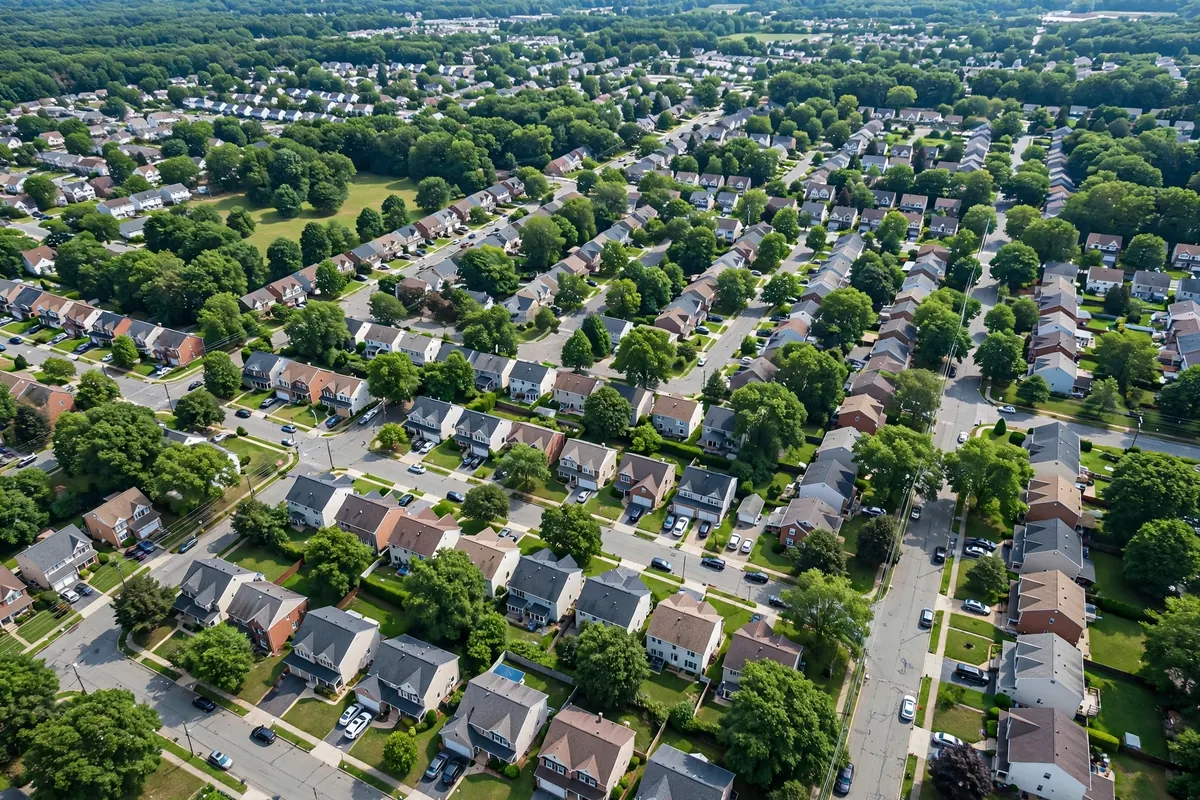
Nothing about Union Township screams “mold risk” — no swamps, no steep hillsides shedding runoff. The risks here are quieter: how the houses were built, how flat the ground is, and how many walls are shared.
Post-war ranches and capes sit on streets with much newer construction. Each era has its own weak points — mid-century concrete block foundations, later-era flat roof details — and each needs a different inspection approach.
Relatively flat ground means rainwater moves slowly. Around older foundations without modern drainage, water lingers and seeps in during heavy storms instead of running off.
Decades of freeze-thaw cycles open up mortar joints and foundation cracks, while older roofing lets water in around flashing and valleys — small entries that feed big mold patches over time.
Single-family homes converted into two or three units share walls, ceilings, and plumbing chases. Moisture travels along those shared paths, and responsibility for the repair can be just as tangled.
Student rentals near campus see high turnover, packed rooms, and maintenance deferred between leases. Bathrooms get heavy use, ventilation gets ignored, and small leaks go unreported.
A well-kept 70-year-old house can stay bone dry while a neglected 30-year-old one grows mold in every hidden cavity. We inspect what's actually there — not what the build year suggests.
Elite Mold Experts proudly serves several neighborhoods in Union Township, ensuring all residents have access to quality Mold Remediation services. From Union Center and Vauxhall to Connecticut Farms and Battle Hill, our technicians cover the whole township.
This busy area often faces issues with mold due to high foot traffic and older buildings. Our team can reach this neighborhood within 15 minutes.
Union Heights features many homes that are susceptible to mold growth due to age and humidity. We typically respond to requests in this area within 20 minutes.
The proximity to parks increases humidity levels, making mold remediation essential for residents. Our technicians can arrive in under 25 minutes.
Vauxhall's older infrastructure often leads to mold growth, particularly in basements. We're able to reach this neighborhood quickly, usually within 30 minutes.
Some jobs are straightforward; some make you earn it. Here's the kind of work that shows what careful remediation actually looks like.
Twice-yearly seepage from a flat backyard had been feeding mold behind finished basement walls for years. We removed the ruined sections, dried the framing, traced the entry to failed exterior grading, and the homeowner re-graded before we closed the walls.
Layered roofing and blocked soffits had turned an attic into a moisture box, with growth spreading across the sheathing. We remediated the deck, documented the venting problem, and the roofer's crew restored the airflow the attic had always needed.
Growth on a shared wall in a two-family home meant coordinating both sides — moisture readings, containment, and cleanup in each unit, plus the shared plumbing chase that started it all. One scope, one crew, no finger-pointing.
New Jersey gives mold four different chances a year. Here's how the township's seasons actually play out for your home.
Regionally, climate-data.org reports Newark-metro July highs around 85°F, about 47 inches of yearly rainfall, and humidity averaging roughly 65% — the baseline Union Township homes are built against.
April and May rains hit flat lots hard — this is peak season for basement seep and the musty smell that follows it.
Humid air plus air-conditioning creates condensation wherever warm meets cold — ductwork, basement rim joists, poorly insulated walls.
Cooling nights condense moisture on single-pane windows and cold walls, and leaf-choked gutters overflow right onto foundations.
Heating season dries the air but hides leaks — frozen pipes can burst, and ice dams push water under older shingles.
In addition to Union Township, Elite Mold Experts serves several nearby cities, ensuring complete coverage for all mold remediation needs.
Harrison is just a short drive from Union Township, making it easy for us to serve clients in this area.
Local coverage and details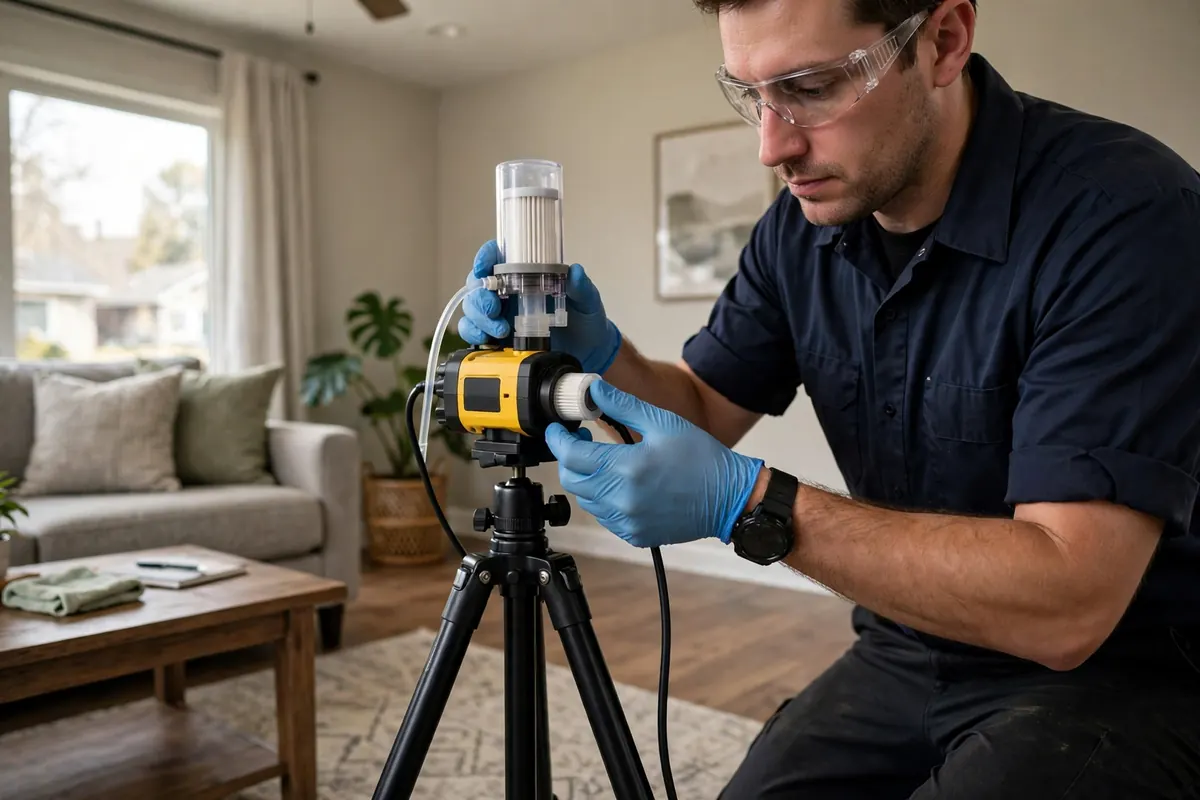
Kearny is located nearby, and we often extend our services to residents experiencing mold issues.
Local coverage and details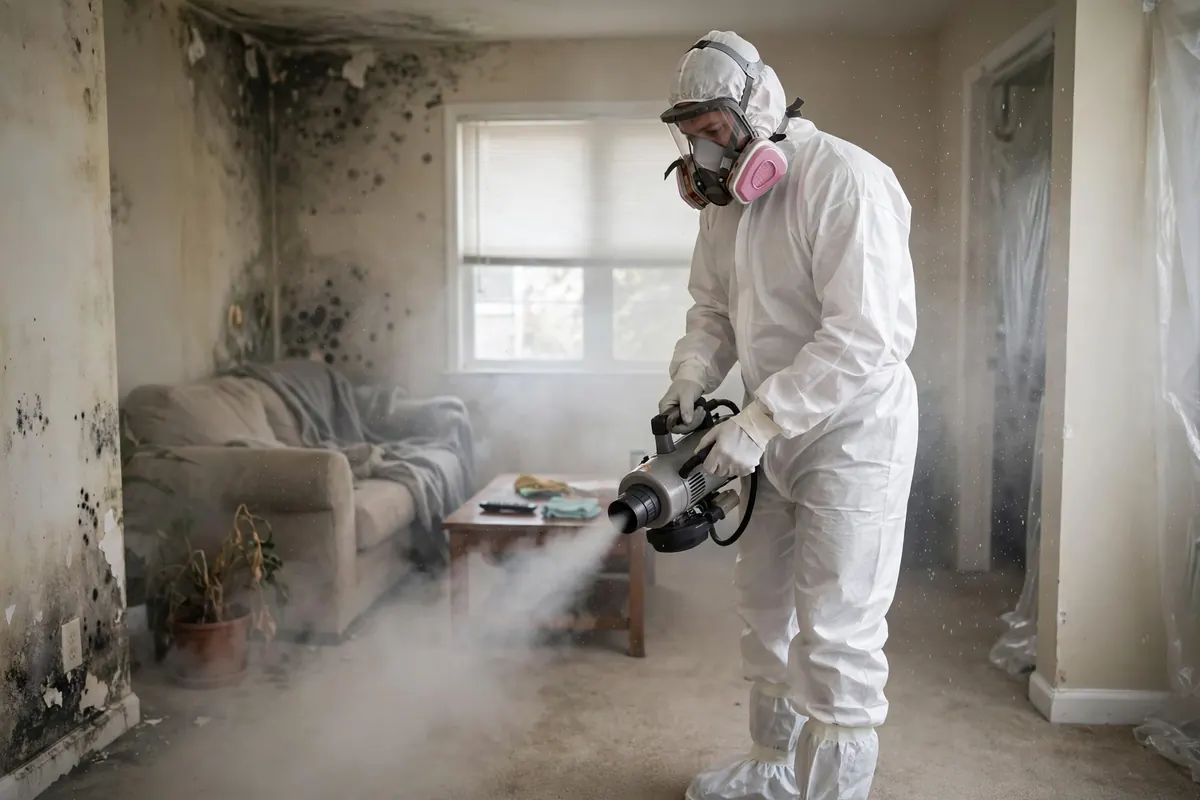
East Orange is close enough for quick response times, allowing us to assist residents promptly.
Local coverage and details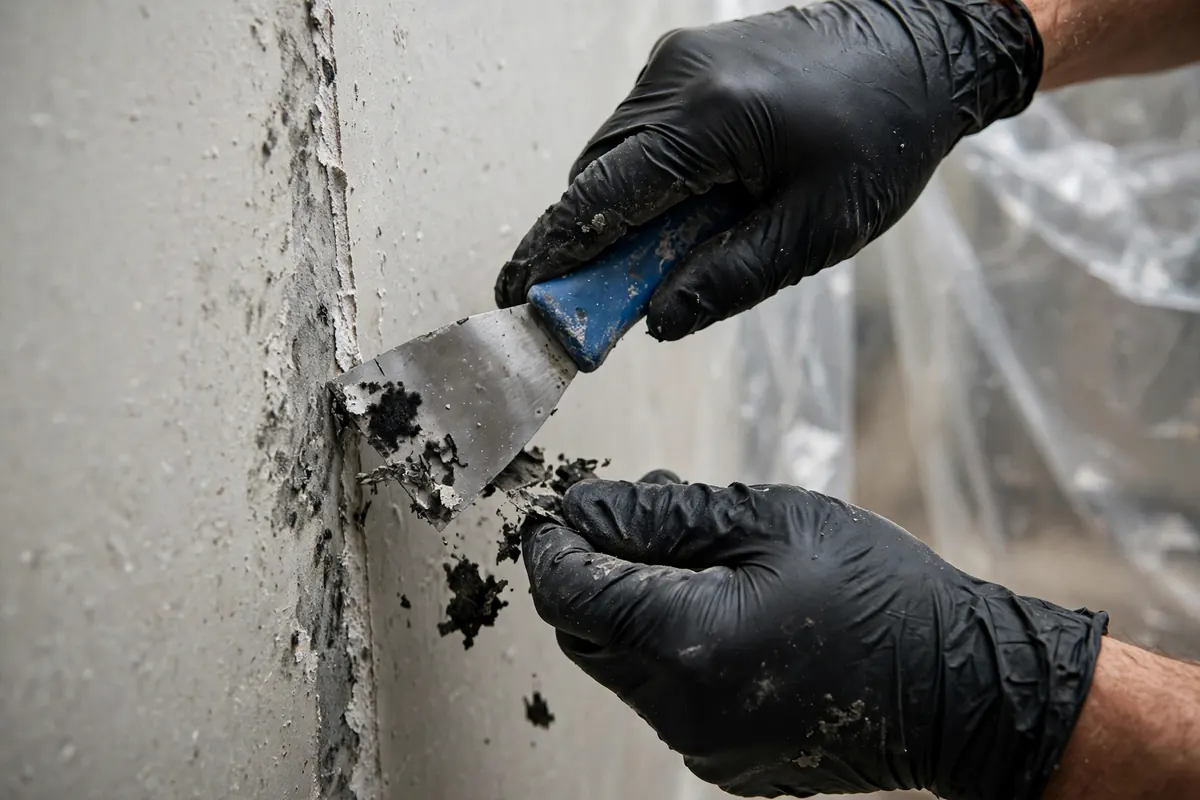
Irvington is just a few minutes away, allowing us to provide timely mold remediation services.
Local coverage and detailsAny company can promise a clean house. These five questions separate the careful ones from the careless — ask them of anyone, including us.
You want real remediation training, not a general contractor with a spray bottle. Ask for specifics — which program, how recent — and be wary of anyone who waves the question off.
If the answer doesn't include meters, thermal imaging, or a real investigation, keep looking. Mold without a moisture source is a recurring expense.
Containment and negative air pressure are what keep a bedroom cleanup from becoming a whole-house problem. It's non-negotiable.
A trustworthy scope names materials, not just rooms. Porous materials that stayed wet get cut out; hard surfaces get cleaned and treated.
Post-cleanup testing — a clearance air test — is the receipt. Without it, you're taking the company's word for its own work.
License number provided on request
Institute of Inspection, Cleaning and Restoration Certification
Work follows EPA mold cleanup guidance
Insurance details provided on request
member
Doing your homework? The EPA’s mold guidance and the NJ Department of Health publish useful, unbiased background on mold and health.
ZIP codes we serve in Union Township: 07083 and 07088.
ZIP codes we serve in Union Township: 0708307088
It depends on the ownership structure — a landlord, an HOA, or two separate owners may each have a stake — and New Jersey has no single rule that assigns it automatically. The practical first step is a professional inspection that documents where the moisture is coming from, because that report usually settles the question faster than any argument. We regularly inspect shared-wall situations and give each party the same clear findings.
Document it with photos, tell your landlord in writing, and keep copies. Structural moisture and building-envelope repairs generally fall on the property owner. If the problem goes unaddressed, an independent mold inspection gives you a documented record of what was found and where — which helps whether you stay or go.
Very likely. Flat-lot drainage is one of the most common moisture sources we trace in Union Township. Water that lingers against the foundation seeps through mortar joints and cracks, and even a small seasonal seep can feed mold along the base of block walls. Regrading, extending downspouts, and sealing entry points usually solve it before a full excavation is ever needed.
Yes — and it often does. Waterproofing paint traps moisture inside block walls, paneling and drop ceilings hide whole colonies, and carpet over concrete wicks damp from below. Our inspections in post-war basements routinely involve moisture readings behind finishes, because the visible walls are the least informative part of the room.
The short list: basement corners where flat-lot water seeps in, attics with original (inadequate) venting, bathrooms whose fans vent into the attic instead of outside, and kitchen or bath plumbing that several owners have reworked over the decades. An inspection that starts with those spots usually finds the problem quickly.
Not seeing your question? Our local team can help you understand urgency, scheduling and what to expect.
Ask the local team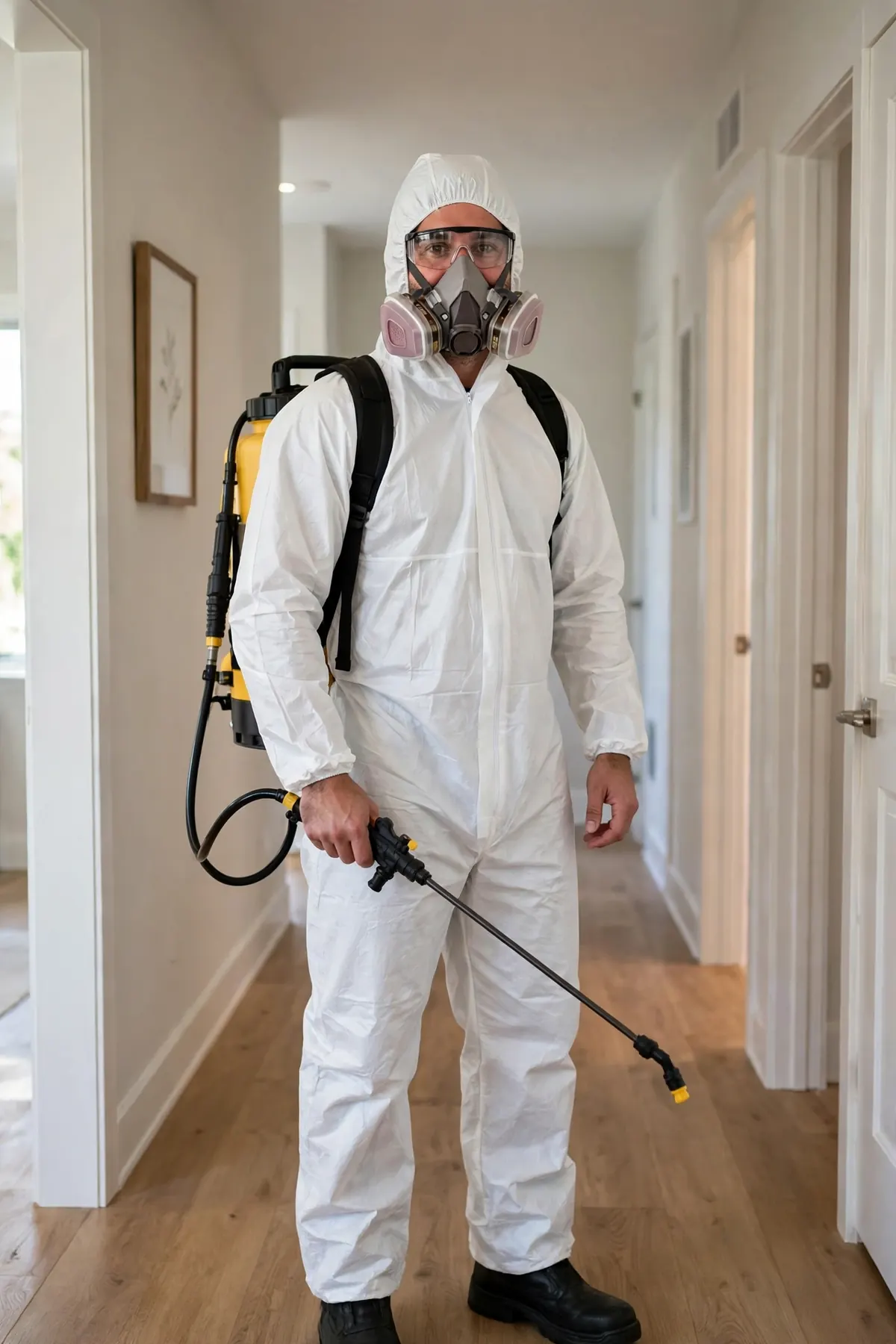
We invite you to reach out for any mold remediation needs. Our team is available Monday to Friday, with quick response times to your inquiries.
Small spots turn into big jobs fast in New Jersey humidity. Call now and we'll schedule your inspection.
Call (973) 400-5618